

common mallow Identification (Malva neglecta)

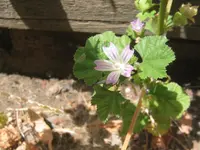
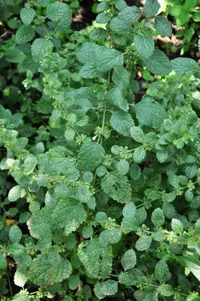
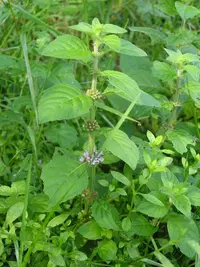
To recognize common mallow, look for a low, spreading plant with long stems radiating from the base, rounded to kidney-shaped leaves with shallow lobes and scalloped edges, and small five-petaled pale pink to white flowers in the leaf axils.

Leaves are alternate and held on long stalks, giving the plant a loose, mat-forming habit.

Malva neglecta Identification

Scan to Confirm common mallow

Upload a clear image to check whether your plant ID is correct.

Clear images work best. Avoid photos taken too close or too far away

Use these visible traits to check for Malva neglecta.

  • Low, spreading plant, often forming mats, with stems trailing outward rather than standing upright.
  • Leaves are round to kidney-shaped, about 1-3 inches (2.5-7.5 cm) across, with 5-7 shallow lobes and long stalks.
  • Flowers sit in small clusters where the leaf stalks meet the stem; each flower has 5 pale pink to whitish petals with darker veins.
  • The fruit is a flat, round disk made of many wedge-shaped segments, like a tiny cheese wheel.

Check both the leaf shape and the disk-like fruit for the most reliable visual match.

Malva neglecta shows clear visual shifts from low seedlings to flowering, fruiting mats.

  • Seedling: Seedlings show rounded to kidney-shaped first leaves on long stalks, with shallow lobing and a flat, ground-hugging start rather than obvious branching.
  • Young plant: The young plant forms a spreading rosette, then short trailing stems. Leaves become broader and more distinctly scalloped, often 1-3 inches (2.5-7.5 cm) across.
  • Flowering stage: Small pale pink to white flowers appear in leaf axils along the stems, adding clustered blooms while the plant keeps its low, creeping habit.
  • Fruiting stage: After flowering, flat round cheese-wheel fruits replace the blooms in the leaf axils, making the stem nodes look more crowded and distinctly segmented.

In spring, Malva neglecta quickly forms low mats of round, shallow-lobed leaves on long stalks. This fresh green spread is often one of the first clear field signs. From late spring into fall, small pale pink to whitish flowers appear in the leaf axils, followed by flat, button-like seed pods. Frost usually leaves only withered, flattened stems.

A few low mallows and mallow weeds are regularly confused with Malva neglecta.

cheeseweed mallow(Malva parviflora)

Often mistaken for it because both are low, round-leaved mallows with small pale flowers. Cheeseweed mallow usually has more deeply crinkled leaves and tighter, more upright growth.

little mallow(Malva nicaeensis)

Similar rounded, shallowly lobed leaves and mauve-pink flowers can mislead. Little mallow typically has larger flowers, often about 1 inch (2.5 cm) across, and a more upright habit.

common hollyhock(Alcea rosea)

Young seedlings can resemble a mallow rosette. Hollyhock soon shows rougher, hairier leaves and develops into a much taller, upright plant rather than a creeping mat.

Malva neglecta is native across much of Europe, North Africa, and temperate Asia, and is now widely naturalized elsewhere. Its original range matters less in practice than its repeated appearance around human-disturbed ground. For identification, habitat is useful because this species commonly turns up in lawns, garden beds, roadsides, paths, vacant lots, and field margins rather than intact wild habitats. Finding it in compacted, trampled, low-growing urban or agricultural sites can help narrow an identification.

Not Sure About the ID?

Use Botan to compare a photo and help identify or confirm the plant before you spend more time researching it.

FAQ

Yes. how to identify common mallow without flowers: look for low, spreading stems and rounded to kidney-shaped leaves with shallow lobes, scalloped edges, and long leaf stalks. The leaf veins radiate from the base like a fan.

More Plant Identification Guides

Know Your Plant Better

Identify it from a photo with Botan, then review plant details, care information, and common problems for that species.

Botan app identifying a plant from a photo
Top 15 Fast-Growing Trees For Your Garden

13 min read · 28 Jul 2026

Top 15 Fast-Growing Trees For Your Garden

Learn which of the 15 fastest-growing trees will suit your area. We’ll share detailed information on each: growth rate, mature spread, key tree demands, and main vulnerabilities. Read on and make the best choice possible.

Plant Recommendations

Top 15 Fast-Growing Trees For Your Garden
How Fast Does Bamboo Grow Per Day, Month, and Year

10 min read · 7 Jul 2026

How Fast Does Bamboo Grow Per Day, Month, and Year

Bamboo grows extremely fast: some species can reach 5-6 m in just 3-4 months under the right conditions. This guide explains how much bamboo can grow per day, week, and year, and what affects its growth rate.

Plant Recommendations
How Fast Does Bamboo Grow Per Day, Month, and Year
Best Fertilizer for Vegetable Gardens – What to Use for Each Plant

11 min read · 20 Jul 2026

Best Fertilizer for Vegetable Gardens – What to Use for Each Plant

Here, you’ll find the right fertilizer formula for vegetables in your garden. Learn how to adjust feeding correctly throughout the growing cycle, spot nutrient deficiencies by their symptoms, and keep your plants healthy and prolific.

Plant Recommendations
Best Fertilizer for Vegetable Gardens – What to Use for Each Plant