bittervine Care (Mikania micrantha)

Also known as: mile-a-minute
bittervine

About bittervine

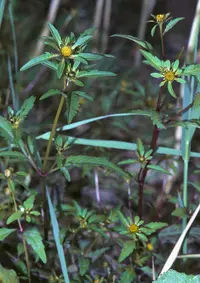
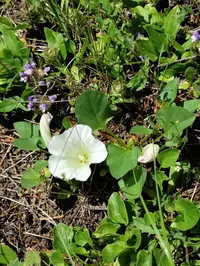
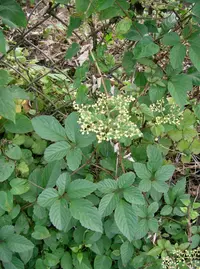
Bittervine (Mikania micrantha) is a fast-growing perennial vine known for its rapid, twining growth and dense, green foliage. It often forms thick mats that climb over shrubs, trees, and fences.

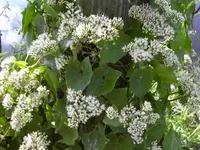
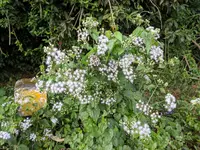
This species is native to tropical regions of Central and South America but has become widely naturalized in many warm, humid parts of Asia and the Pacific. It produces small, pale flower clusters that attract insects and spread seed efficiently.

Its aggressive growth makes it easy to establish but difficult to control outdoors, so gardeners should monitor it closely. Those who care for bittervine usually provide warm conditions, ample moisture, and well-drained soil while limiting its spread.

Main Plant Requirements

Care Difficulty

Moderate Care

Light Preference

Full Sun

Water Requirements

Regular Water

Temperature Preference

Tropical / Frost Sensitive

Hardiness Zone

10–12

Soil Texture

Loamy, Silty, Organic-rich

Soil pH

Acidic (5.5–6.5), Slightly acidic (6.5–7.0)

Soil Drainage

Moist but well-drained

Fertilization

Minimal (feed rarely)

Get Personalized Care Plan

Scan your plant to receive care tips personalized for your specific plant

Available on iOS and Android

How to Care for the bittervine

Mikania micrantha grows fastest in warm, bright, humid sites with access to direct sun but protection from harsh extremes.

  • Provide 4–6 hours of direct morning sun with light or dappled shade in the afternoon to reduce leaf scorch, especially in hot climates.
  • Plant where it receives at least 6–8 hours of total daylight; in deep shade stems elongate, foliage thins, and flowering declines, which helps limit bittervine spread.
  • In cooler seasons, slightly more direct sun is tolerated, but in midsummer shift toward filtered light during the hottest midday hours to prevent stress.

This vigorous vine prefers consistently moist but not waterlogged soil, especially during active growth.

  • Before watering, check the top 3–5 cm of soil; water when it feels slightly dry but not dusty, aiming to keep deeper layers evenly moist.
  • In warm, windy, or drought periods, monitor more closely for wilting, pale or crisping leaves, and dry cracking soil, which signal insufficient moisture.
  • Avoid standing water and heavy, compacted soils; yellowing, soft stems and a sour smell indicate overwatering or poor drainage, requiring aeration or soil improvement.

This fast-growing vine thrives in warm, frost-free climates and slows or dies back in cold conditions.

  • Maintain 70–86°F (21–30°C) for strongest growth; growth rate drops noticeably below 68°F (20°C).
  • The plant suffers damage below about 41°F (5°C) and is usually killed by hard frost; protect or expect dieback in cooler winters.
  • It tolerates short heat spikes up to about 95°F (35°C) if soil moisture is maintained, but prolonged extreme heat with dry soil causes leaf scorch and stunting.

This fast-growing vine prefers consistently humid air similar to subtropical conditions.

  • Aim for 60–80% humidity; it tolerates brief dips but prolonged air below 40% slows growth and leaf expansion.
  • Crisping leaf edges, drooping tips, and stalled runners indicate humidity stress in bittervine, especially in heated or air-conditioned rooms.
  • Increase humidity with grouped plants, a wide pebble tray under the pot, or a nearby humidifier rather than misting leaves directly.

This species thrives in loose, moist, well‑aerated soil that never stays waterlogged.

  • Use a loamy, organic‑rich mix such as 2 parts compost or potting soil with 1 part coarse sand and 1 part perlite for structure and aeration.
  • Ensure fast drainage; water should pass through the root zone quickly, leaving the mix evenly moist but not saturated for Mikania micrantha.
  • Target a slightly acidic to neutral pH around 6.0–7.0 to support vigorous root and shoot growth.
  • Avoid heavy clay, compacted ground, and mixes with fine peat only, which restrict oxygen around roots and increase rot risk.

This vigorous climber can be grown in containers if managed carefully to limit spread and support its growth habit.

  • Choose a wide, heavy container that resists tipping as the vine produces long, climbing or trailing stems.
  • Fill the pot deeply enough to allow roots to run horizontally, which helps support rapid top growth and dense foliage.
  • Select a pot material that slightly dries between waterings, such as unglazed terracotta, to counter the plant’s preference for constant moisture and reduce rot risk.

Mikania micrantha grows vigorously and benefits from light, controlled feeding in managed settings.

  • Use a balanced liquid fertilizer (e.g., 10-10-10) diluted to 25–50% strength for potted or restrained plants.
  • Feed every 4–6 weeks during the warm growing season if growth or foliage color declines.
  • Apply a thin layer of compost or a mild slow-release fertilizer in spring for longer nutrient supply.
  • Stop feeding in late fall and winter, as growth slows and bittervine does not need extra nutrients.

Pruning Mikania micrantha is important to limit spread and maintain any desired structure.

  • Cut back vigorously in late winter or early spring before strong new growth starts.
  • Remove dead, damaged, or overcrowded stems to improve air flow and reduce disease risk.
  • Shorten long, wandering vines to control size and direct growth where support is available.
  • Use clean, sharp shears and make cuts just above a node to encourage bushier side shoots.

This fast-growing vine is usually managed in-ground, but container plants or controlled plantings need periodic transplanting.

  • Transplant or shift to a larger pot when roots circle the container, drainage slows, or growth weakens.
  • Plan moves for spring or early summer, when warm soil and longer days support quick root recovery.
  • For containers, step up only 1–2 pot sizes every 1–2 years to avoid waterlogging and weak roots.
  • Water thoroughly before and after moving, keep roots shaded, and reduce stress by trimming excessive top growth.

Mikania micrantha multiplies rapidly, so propagation must be done only where spread can be safely controlled.

  • Take 8–12 cm softwood stem cuttings in late spring or summer and root them in moist, sterile mix.
  • Keep cuttings in bright, indirect light at 70–80°F with high humidity for reliable rooting.
  • For layering, pin a low vine section to moist soil until roots form, then detach and plant separately.
  • Seeds germinate in warm, moist conditions but are rarely used intentionally due to invasive behavior.

This tropical vine is frost sensitive and needs protection in regions with cold winters.

  • In areas below 40°F, grow in containers and move plants indoors before the first frost.
  • Provide bright, indirect indoor light and slightly drier soil while winter growth slows.
  • In mild climates without frost, a light mulch layer keeps roots stable and conserves moisture.
  • Prune back any frost-damaged stems in late winter once temperatures stabilize.

Care Tips

Aggressive Growth Control

Pinch back or cut vines every 1–2 weeks during active growth and immediately dispose of all cut material in sealed bags to prevent the plant from re-rooting or reseeding in nearby soil.

Use Containment Barriers

Grow this species only in large containers or raised beds with solid bottoms and consider placing pots on hard surfaces so creeping stems cannot root into surrounding ground or lawn.

Regular Structural Training

Guide young vines along a trellis or support using soft ties spaced every 15–20 cm, and redirect or remove any stems that try to sprawl horizontally to keep growth vertically contained.

Check for Hidden Rooting

Inspect stems weekly and lift or cut any sections that have formed new roots at nodes where they touch soil, mulch, or cracks, since these satellite roots make long-term management much harder.

Hygiene Between Plants

Clean pruning tools with 70% isopropyl alcohol before and after trimming to avoid spreading sap, pathogens, or potential invasive fragments when caring for bittervine near other plants.

Common Pests and Diseases

Leaf spot fungi

This disease causes small water-soaked lesions on leaves that enlarge into brown or dark spots, often with yellow halos and premature leaf drop. Symptoms include reduced vigor and thinning foliage on dense, sprawling growth.

Solution

Remove and destroy heavily spotted leaves and any plant debris around the base to reduce spore sources, and avoid overhead watering so foliage dries quickly. Improve spacing and airflow through the vine, and if needed use a copper-based or chlorothalonil fungicide labeled for ornamental vines, applying only during active disease periods and following label directions.

Powdery mildew

This disease produces white to gray powdery patches on upper leaf surfaces, young stems, and sometimes flower clusters, leading to distortion and reduced growth. Symptoms include leaves yellowing, curling, and dropping under severe infection.

Solution

Increase air circulation by thinning dense growth and keeping the vine from forming tight mats, and water at the base so foliage stays dry. Remove and discard heavily infected shoots, then apply a sulfur, potassium bicarbonate, or horticultural oil product labeled for powdery mildew on ornamentals, starting at the first sign of infection.

Leaf-feeding beetles

These insects chew irregular holes and notches in leaves, sometimes skeletonizing foliage when populations are high. Symptoms include tattered leaves, reduced photosynthesis, and slowed growth, especially on young tender shoots.

Solution

Hand-pick beetles in early morning and drop them into soapy water, and encourage natural predators by minimizing broad-spectrum insecticides nearby. For heavier infestations, use a targeted product such as spinosad or a pyrethroid labeled for chewing beetles on ornamentals, treating late in the day to limit impact on pollinators and repeating only as needed.

Aphids

This pest gathers on soft shoot tips, undersides of leaves, and flower clusters, sucking sap and causing curling, distortion, and sticky honeydew that can attract sooty mold. Symptoms include stunted new growth and sometimes ant activity on the vine.

Solution

Spray colonies off with a firm stream of water, repeating every few days, and prune out heavily infested shoot tips. If populations remain high, apply insecticidal soap or a light horticultural oil thoroughly to leaf undersides and growing tips, repeating according to label directions while monitoring beneficial insects.

Interesting Facts

Extremely rapid growth

This vine can extend its stems by several centimeters per day in warm, wet conditions, allowing it to rapidly climb and blanket trees, shrubs, and structures.

Smothering growth habit

Dense mats of foliage can block up to nearly all incoming light to underlying vegetation, causing severe shading, branch breakage, and eventual death of native plants and crops.

High seed production

Each flower head produces small, wind-dispersed seeds equipped with a pappus (hairy tuft), and a single plant can release many thousands of seeds that spread over long distances with air currents.

Botan icon

Did you know?

This species is listed among the world’s worst invasive alien plants by multiple international conservation and agricultural agencies, due to its ability to transform entire landscapes, from forest edges to plantations, within only a few growing seasons.

FAQs about bittervine

Yellowing leaves usually come from water stress, nutrient deficiency, or poor drainage. Check for soggy soil or compacted roots, then adjust watering and improve drainage. A balanced fertilizer can correct nitrogen loss and restore greener foliage over time.

Grow Healthy Plants with Botan Care

Keep your plants happy and healthy with plant identification, disease detection, and easy care guidance.

Botan plant care app — identify plants on mobile

Explore More Plants