Thickstem Milkbush Care (Euphorbia dregeana)

Also known as: Wolf Milk, Elephantbush
Thickstem Milkbush

About Thickstem Milkbush

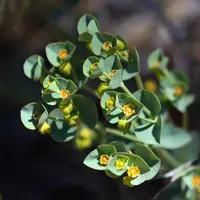
Thickstem milkbush (Euphorbia dregeana) is a compact, shrubby succulent from arid regions of southern Africa. It stores water in its thick, segmented stems and has very small, reduced leaves. Mature plants form a clumping, architectural shape that suits rock gardens, dry borders, and bright indoor spots. Growth is usually slow but steady under stable, dry conditions. This species prefers bright light, fast-draining gritty soil, and infrequent watering that allows the mix to dry well between waterings. Once its basic needs are understood, it is relatively easy to care for Thickstem Milkbush, especially for growers already comfortable with other succulent euphorbias.

Main Plant Requirements

Care Difficulty

Moderate Care

Light Preference

Full Sun

Water Requirements

Low Water

Temperature Preference

Tropical / Frost Sensitive

Hardiness Zone

10–11

Soil Texture

Sandy, Loamy, Rocky

Soil pH

Slightly acidic (6.5–7.0), Neutral (7.0)

Soil Drainage

Well-drained

Fertilization

Minimal (feed rarely)

Get Personalized Care Plan

Scan your plant to receive care tips personalized for your specific plant

Available on iOS and Android

How to Care for the Thickstem Milkbush

This drought-adapted succulent prefers bright, open exposure with some protection from extreme afternoon sun.

  • Provide 6–8 hours of direct sun, ideally with strong morning sun and lighter afternoon exposure, especially in hot summer climates.
  • Plant Thickstem Milkbush in a spot that receives full sun but allows brief partial shade during the hottest part of the day to reduce stem scorch risk.
  • In winter, ensure the site stays as bright as possible; prolonged shade causes weak, elongated growth and fewer new stems.

This species is highly drought-tolerant and must dry well between waterings to prevent root problems.

  • Water only when the top 3–5 cm of soil are completely dry, then soak the root zone thoroughly and allow excess to drain away.
  • During active growth in warmer months, expect deeper watering roughly every 2–4 weeks in very free-draining soil; reduce further in cool or overcast periods.
  • Very soft, yellowing, or splitting stems suggest overwatering and poor drainage, while wrinkling or slight stem shriveling indicates the plant is ready for water.

This succulent thrives in warm, dry conditions and is not tolerant of hard frost.

  • Aim for daytime temperatures around 70–90°F (21–32°C) with cooler nights; growth slows noticeably below about 60°F (16°C).
  • Protect from cold below 40°F (4°C); brief light frosts may damage tips, while sustained freezing can kill roots and stems.
  • In hot regions, it tolerates 95–100°F (35–38°C) if soil drains quickly and roots are not waterlogged, but intense heat with high humidity increases rot risk.

This drought-adapted succulent handles typical indoor humidity and usually does not need special adjustments.

  • Target 30–50% humidity, similar to most heated or air-conditioned homes, without deliberate boosting.
  • Dry air is well tolerated; problems arise more from overwatering than from low humidity.
  • Suspect humidity stress only if soft, pale new growth appears while soil stays consistently dry, then slightly raise room humidity with a nearby open tray of water.

Euphorbia dregeana needs sharply draining, mineral-rich soil that dries quickly after watering.

  • Use a cactus-style mix: 50–70% inorganic material such as coarse sand, pumice, or small gravel, blended with 30–50% low-organic potting mix.
  • Aim for a gritty, open texture where water drains through in seconds and no fine peat stays soggy around the roots.
  • Keep pH slightly acidic to neutral, around 6.0–7.0, avoiding strongly alkaline mixes that may limit nutrient availability.
  • Avoid dense clay, high-peat, or moisture-retentive mixes; improve aeration by increasing coarse grit or pumice instead of adding more compost.

This species is suitable for container growing, especially in cooler or wetter climates.

  • Choose a pot that is deeper than it is wide to accommodate the vertical root system and prevent tipping in wind or on balconies.
  • Select unglazed terracotta or another porous material to speed evaporation where outdoor rain or heavy watering is common.
  • Elevate the pot slightly on feet or bricks so drainage holes stay clear and water cannot pool under the container after storms or irrigation.

This drought-adapted succulent from nutrient-poor habitats benefits from only light, infrequent feeding under cultivation.

  • Use a diluted, balanced liquid succulent fertilizer (around 10-10-10 or similar) at 1/4–1/2 strength during active spring–summer growth.
  • Apply every 6–8 weeks at most; overfeeding can cause soft, weak stems in Thickstem Milkbush.
  • Skip fertilizer in fall–winter dormancy, especially for plants kept cool and bright.
  • Avoid rich compost or heavy organic feeds that keep soil wet and increase root rot risk.

Pruning Euphorbia dregeana is mainly corrective, helping maintain a stable, safe, and compact framework.

  • Best time is late winter to early spring, before strong new growth starts.
  • Remove dead, damaged, or rubbing stems with clean, sharp pruners, cutting back to a healthy junction.
  • Lightly thin crowded branches to improve light penetration and preserve the plant’s architectural form.
  • Wear gloves and eye protection, as milky sap can irritate skin and eyes; allow cuts to dry and callus.

This species grows slowly and prefers minimal disturbance, so repot or transplant only when clearly needed.

  • Look for roots circling the pot, pushing through drainage holes, or growth stalling despite good light.
  • Plan repotting or outdoor transplanting in late spring, once temperatures are stable and frost risk has passed.
  • Expect container plants to need a larger pot about every 3–4 years, using a very free-draining cactus mix.
  • Handle the root ball gently, keep roots at the same depth, water lightly once, then allow soil to dry between waterings to limit stress.

Propagation of this species is possible but slow, and requires care due to irritating sap and rot risk.

  • Use semi-ripe stem cuttings in late spring–early summer; let cut ends dry and callus for several days.
  • Place cuttings in a sterile, very gritty mix, keeping warmth (70–80°F) and bright, indirect light.
  • Water sparingly, just moistening the medium, as excess moisture delays rooting and encourages decay.
  • Seed propagation is slower; sow fresh seed in a well-draining mix, barely cover, and provide steady warmth and light.

This plant prefers mild, dry winters and can suffer in prolonged freezing conditions.

  • In-ground plants in marginal climates benefit from a 5–8 cm layer of coarse, dry mulch around the root zone, kept away from stems.
  • Container plants in cold regions should be moved indoors or to a frost-free greenhouse before temperatures drop near 32°F.
  • Under cover, provide bright light, very low watering, and good air flow to keep the root zone dry through winter dormancy.

Care Tips

Handle Sap Safely

Always wear gloves and avoid touching your face or eyes when cutting or repotting, as the milky latex sap is irritating and tools should be rinsed promptly in water after use.


Encourage Compact Form

Rotate the pot 90° every 2–3 weeks and lightly tip-prune only in late spring so the plant develops a balanced, compact structure instead of leaning or stretching toward one direction.

Use Inert Topdressing

Apply a 1–2 cm layer of coarse gravel or pumice on the soil surface to keep stems dry at the base, limit algae growth, and improve air movement around the crown.

Winter Rest Management

During its dormant period, keep the plant in a bright, cool, very dry spot and avoid repotting or disturbance, as new roots form more strongly when active growth resumes in spring.

Targeted Pest Inspection

Inspect leaf axils, stem joints, and the base of the plant monthly for mealybugs or scale, using a cotton swab with isopropyl alcohol for spot treatment to maintain long-term health when caring for Thickstem Milkbush.

Common Pests and Diseases

Mealybugs

This pest feeds on sap in stem joints and along the thick, green stems, often hiding in crevices and under dried leaves. Symptoms include white cottony clusters, sticky honeydew, and gradual stem weakening.

Solution

Isolate the plant, then dab visible insects with cotton swabs dipped in 70% isopropyl alcohol and gently wipe affected areas. Improve light and airflow, remove heavily infested stems, and repeat alcohol or insecticidal soap treatments every 7–10 days until no new insects appear.

Spider mites

These insects favor the dry, warm conditions that suit Euphorbia dregeana and can colonize the ribbed stems, causing fine webbing and tiny pale stippling. Symptoms include dull, dusty-looking stems and reduced vigor.

Solution

Rinse stems thoroughly with a firm but gentle stream of water, focusing on grooves and branch junctions, then apply insecticidal soap or a horticultural oil labeled for mites. Raise ambient humidity slightly around the plant (without wetting the soil) and inspect weekly, repeating treatments until new growth appears clean.

Stem canker

This disease causes localized sunken, darkened lesions on the thick succulent stems, sometimes with cracking or oozing. Symptoms include progressive collapse above the lesion and eventual dieback of affected branches.

Solution

Use a sterile, sharp tool to cut out affected stem sections well into healthy tissue, then let the wound dry and callus in bright, dry conditions. Disinfect tools between cuts, keep water off the stems, and maintain a very free-draining mineral substrate to reduce future infection risk, following cautious Euphorbia dregeana care to avoid mechanical damage that invites pathogens.

Fungal stem rot

This disease develops when the base or lower stems stay too moist and poorly aerated, leading to soft, mushy, discolored tissue at or just below the soil line. Symptoms include sudden stem collapse, foul odor, and rapid spread in plants kept in heavy or waterlogged media.

Solution

Remove the plant from its pot, cut away all soft, dark tissue with sterile tools, and discard severely affected sections. Allow remaining healthy cut surfaces to dry and callus for several days, then replant only firm, clean segments in a gritty, fast-draining mix and water sparingly, especially in cool, low-light periods.

Interesting Facts

Karoo succulent shrub

This species is a drought-adapted succulent from the arid Karoo regions of South Africa, where it grows as a low, thick-stemmed shrub in rocky, well-drained soils.

Milky latex defense

Like many spurges, it produces a white, acrid latex sap that is toxic and can irritate skin and eyes, helping protect the plant from herbivores.

Specialized dry-season growth

Its thick, water-storing stems and reduced foliage are morphological adaptations that allow it to survive long dry periods typical of its native semi-desert habitat.

FAQs about Thickstem Milkbush

Poor flowering often links to plant age, stress, or insufficient seasonal rest. This species typically needs strong light, a cool dry rest period, and minimal disturbance. Overfertilizing, frequent repotting, or root damage can also suppress flower production.

Grow Healthy Plants with Botan Care

Keep your plants happy and healthy with plant identification, disease detection, and easy care guidance.

Botan plant care app — identify plants on mobile

Explore More Plants