Euphorbia flavicoma Care

Euphorbia flavicoma

About Euphorbia flavicoma

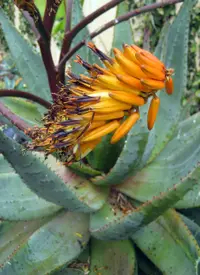
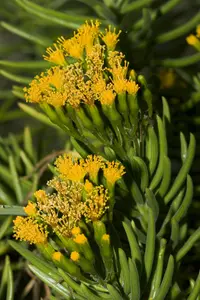
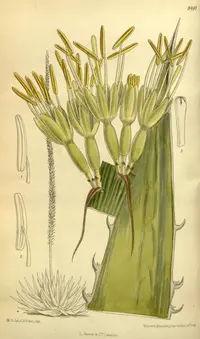
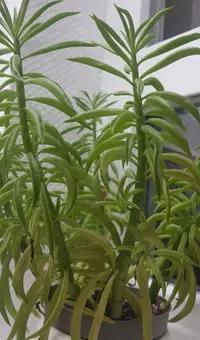
Euphorbia flavicoma is a small, clump-forming perennial spurge with narrow leaves and distinctive, often yellow-green floral bracts. It typically has an upright to slightly spreading habit and a somewhat architectural look.

This species occurs mainly in dry, rocky habitats around the Mediterranean region, where it has adapted to poor, well-drained soils and periods of drought. These traits make it relatively resilient in cultivation, provided the soil does not stay waterlogged.

Light, fast drainage, and moderate watering are the main factors that influence how easy it is to care for Euphorbia flavicoma.

Main Plant Requirements

Care Difficulty

Easy Care

Light Preference

Full Sun

Water Requirements

Low Water

Temperature Preference

Warm Climate

Hardiness Zone

7–10

Soil Texture

Sandy, Loamy, Rocky

Soil pH

Slightly acidic (6.5–7.0), Neutral (7.0)

Soil Drainage

Well-drained

Fertilization

Minimal (feed rarely)

Get Personalized Care Plan

Scan your plant to receive care tips personalized for your specific plant

Available on iOS and Android

How to Care for the Euphorbia flavicoma

This sun-loving Mediterranean species thrives in bright, open conditions with some protection from harsh extremes.

  • Provide 6–8 hours of direct sun daily, ideally with morning sun and light afternoon shade in hot, dry climates to prevent leaf scorch.
  • In cooler or coastal areas, full sun all day is suitable, while in very hot inland sites use filtered light during the strongest midday sun.
  • If stems of Euphorbia flavicoma stretch or lean, light is insufficient; move to a brighter, more open spot outdoors.

This drought-tolerant plant prefers infrequent, deep watering and fast-draining soil.

  • Allow the top 3–5 cm of soil to dry completely before watering, then soak the root zone thoroughly and let excess drain away.
  • Reduce watering in autumn and winter, especially in cool climates, to prevent root rot; resume slightly more frequent watering during active spring–summer growth.
  • Signs of overwatering include yellowing, soft stems, or blackened roots, while underwatered plants show shriveling, dull foliage, and slow recovery after rain.

This species prefers warm, dry conditions and dislikes prolonged cold or damp.

  • Aim for 65–80°F (18–27°C) during active growth; plants remain comfortable up to about 90°F (32°C) if soil is well draining and air is moving.
  • Protect from frost; damage often appears below 30–32°F (-1–0°C), so cover or move containers before hard freezes in colder regions.
  • In areas with cold winters, treat Euphorbia flavicoma as a perennial that may die back in freezing spells but regrow from protected crowns if soils are not waterlogged.

This species handles typical indoor humidity well and rarely needs special adjustment.

  • Aim for 30–50% humidity, similar to most heated or air-conditioned homes.
  • Tolerates dry air but very hot, drafty spots can cause slight leaf yellowing or shriveling.
  • If air is extremely dry, move the pot away from heaters and group with other plants rather than misting.

This drought-adapted succulent needs very fast-draining, mineral-based soil to avoid root rot.

  • Use a cactus or succulent mix based on sandy or gritty particles, not peat-heavy potting soil.
  • Improve drainage and aeration by adding 30–50% coarse sand, pumice, or perlite to the base mix.
  • Aim for slightly acidic to neutral pH around 6.0–7.0, which suits Euphorbia flavicoma well.
  • Avoid compacted, clayey, or water-retentive substrates, and never let the mix stay wet for more than 1–2 days.

This species is well suited to container growing when provided with a fast-draining setup.

  • Choose a wide, shallow pot that matches the spreading root system and prevents wobbling in wind-exposed spots.
  • Select unglazed terracotta if extra evaporation is needed in humid or rainy climates to keep the mix dry between waterings.
  • Place the container on pot feet or bricks outdoors so drainage holes stay clear and water can exit rapidly after heavy rain.

This drought-adapted species needs only modest feeding under cultivation.

  • Use a dilute balanced liquid fertilizer (around 10-10-10) at 1/4–1/2 strength during active spring–summer growth.
  • Apply every 6–8 weeks for container plants; in-ground Euphorbia flavicoma often manages with no added fertilizer on reasonable soil.
  • Avoid high-nitrogen or frequent feeding, which encourages weak, lush growth susceptible to rot.
  • Do not fertilize in late fall or winter when growth slows or stops.

Pruning is mainly used to maintain shape and remove unhealthy growth.

  • Best time is late winter to early spring before strong new growth begins.
  • Remove dead, damaged, or crossing stems first to improve structure and airflow.
  • Lightly shorten overly long shoots to maintain a compact form and stable habit.
  • Use clean, sharp pruners and avoid contact with the milky sap on skin or eyes when working on Euphorbia flavicoma.

This plant prefers stable conditions and infrequent disturbance.

  • Check containers every 2–3 years; repot when roots circle the pot or growth slows despite correct care.
  • Plan repotting or outdoor transplanting for early spring, when conditions are cool and growth is restarting.
  • Move into a pot only 2–5 cm wider, using sharply draining, gritty mix to limit waterlogging stress.
  • Water lightly after transplanting, then allow the mix to almost dry before the next watering to help roots reestablish.

Propagation is usually done by cuttings or seed under controlled conditions.

  • Take short, non-flowering stem cuttings in late spring or early summer and let the cut ends dry and callus for 1–2 days.
  • Plant cuttings in a very free-draining, slightly moist, sandy mix and keep in bright, indirect light.
  • Maintain warm temperatures around 70–75°F and low to moderate humidity to limit rot while roots form.
  • Sow fresh seed on the surface of a gritty mix, barely cover, and keep lightly moist until germination.

Mature plants are fairly cold tolerant but still benefit from basic winter management.

  • In-ground plants in suitable climates tolerate light frost but may be damaged by prolonged freezes below the species threshold.
  • Apply a light, well-drained gravel or coarse mulch around the crown to moderate soil temperature without trapping moisture.
  • Keep soil on the dry side in winter, especially in cool, wet climates, to reduce root and crown rot risk.
  • Move container plants to a cold, bright, frost-free spot, such as an unheated garage or porch, when hard frost is forecast.

Care Tips

Use gritty topdress

Apply a 0.5–1 cm layer of horticultural grit or coarse sand on the soil surface to keep the stem base dry, reduce fungus gnat activity, and stabilize the plant in the pot.

Strategic plant rotation

Rotate the pot 90° every 2–3 weeks during active growth so the stems develop evenly and do not lean strongly toward the light, which helps prevent top‑heavy, unstable growth when you grow Euphorbia flavicoma.

Controlled branching pinch

Once the plant is well‑established and at least 10–12 cm tall, lightly pinch or cut just the soft tip of overly tall stems to encourage side shoots and a more compact, wind‑resistant form.

Safe handling routine

Always handle the plant with gloves, let any broken stems callus in dry air for 1–2 days, and immediately wipe away latex sap from tools and surfaces to reduce rot risk and avoid skin irritation.

Targeted pest checks

Inspect the lower stem ridges and leaf bases every month with a hand lens for early signs of mealybugs or scale, and isolate and treat the plant promptly if any waxy spots or sticky residue appear to keep caring for Euphorbia flavicoma efficient and low risk.

Common Pests and Diseases

Powdery mildew

This disease causes a white, powdery coating on leaves and young stems, often in warm, dry conditions with poor air circulation. Symptoms include distorted growth and gradual weakening of the plant if the infection persists.

Solution

Remove heavily infected leaves, avoid overhead watering, and increase spacing and airflow around plants. For persistent issues, apply a sulfur or potassium bicarbonate fungicide labeled for ornamentals, following directions carefully as part of general Euphorbia flavicoma care instructions.

Stem canker

This disease leads to sunken, dark lesions on the succulent stems, which may crack, ooze, or cause sections to collapse. Symptoms include localized dieback starting from wounded or stressed tissue, especially after mechanical damage or frost.

Solution

Cut out affected stem sections well into healthy tissue with a sterile blade, then allow wounds to dry and callus in a dry, shaded spot. Improve drainage, protect from frost, and avoid watering onto stems to reduce future infection risk; discard severely affected plants rather than composting them.

Mealybugs

These insects form white, cottony clusters in stem joints and at the base of spines, feeding on sap and excreting sticky honeydew. This pest weakens plants, slows growth, and can encourage sooty mold on affected areas.

Solution

Physically remove visible clusters with a cotton swab dipped in isopropyl alcohol, then rinse the plant gently after treatment. For larger infestations, use a systemic insecticide labeled for succulent ornamentals or repeated applications of insecticidal soap, keeping the plant isolated until pests are controlled.

Aphids

These insects cluster on tender new growth and flower stems, sucking sap and causing curling, yellowing, or deformed shoots. This pest also produces honeydew that attracts ants and can lead to sooty mold on stems and leaves.

Solution

Dislodge colonies with a firm stream of water, then treat remaining insects with insecticidal soap or a horticultural oil spray, applied in the early morning or evening. Monitor new growth weekly and repeat treatments as needed while encouraging natural predators such as lady beetles outdoors.

Spider mites

This pest appears in hot, dry conditions and causes fine stippling, dulling, and bronzing of leaves, sometimes with delicate webbing between stems. Symptoms include gradual leaf drop and a dusty look to the plant surface when populations are high.

Solution

Rinse the plant thoroughly with lukewarm water, focusing on leaf undersides and stem joints, and improve humidity and airflow without overwatering. For ongoing problems, apply a miticide or insecticidal soap specifically labeled for spider mites, repeating applications and keeping the plant under observation until new growth appears clean.

Interesting Facts

Mediterranean steppe specialist

This species is naturally native to dry, open habitats around the eastern Mediterranean, often growing in rocky steppe and light scrub where competition from taller plants is limited.

Distinctive yellow bracts

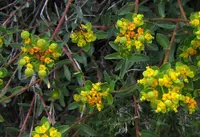
Instead of showy petals, the plant produces yellowish to yellow‑green bracts that surround its true flowers, a typical Euphorbia structure called a cyathium, but with a color and form that help it blend into surrounding dry grassland vegetation.

Milky latex defense

Like other Euphorbia species, it exudes a white, latex sap when damaged that deters herbivores and helps seal wounds, which is a key defensive and protective trait for survival in exposed, dry environments.

FAQs about Euphorbia flavicoma

Lack of flowering often relates to insufficient light, nutrient-poor or overly rich soil, or stress from recent repotting or pruning. Stable conditions, moderate fertilization, and a period of cooler, drier rest typically improve bud formation.

Grow Healthy Plants with Botan Care

Keep your plants happy and healthy with plant identification, disease detection, and easy care guidance.

Botan plant care app — identify plants on mobile

Explore More Plants