Geyer's Spurge Care (Euphorbia geyeri)

Also known as: Geyer's Broomspurge
Geyer's Spurge

About Geyer's Spurge

Geyer's spurge (Euphorbia geyeri) is a low-growing perennial herb native to dry prairies and open woodlands of the central United States. It forms small clumps or patches with slender stems and narrow leaves.

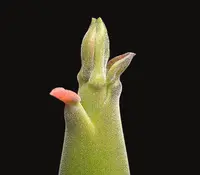
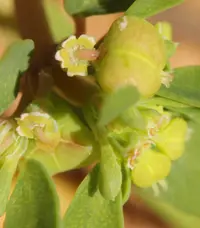
The plant produces modest, greenish flowering structures typical of many Euphorbia species, supported by a strong taproot that helps it tolerate drought and poor, rocky soils. It is usually found in well-drained, sandy or gravelly sites.

This species is adapted to full sun, low to moderate moisture, and lean soils, which makes it relatively undemanding once established. Understanding how to care for Geyer's Spurge starts with providing bright exposure, sharp drainage, and avoiding heavy, waterlogged conditions.

Main Plant Requirements

Care Difficulty

Moderate Care

Light Preference

Full Sun

Water Requirements

Low Water

Temperature Preference

Warm Climate

Hardiness Zone

6–9

Soil Texture

Sandy, Loamy, Rocky

Soil pH

Slightly acidic (6.5–7.0), Neutral (7.0)

Soil Drainage

Well-drained

Fertilization

Minimal (feed rarely)

Get Personalized Care Plan

Scan your plant to receive care tips personalized for your specific plant

Available on iOS and Android

How to Care for the Geyer's Spurge

This sun-loving prairie perennial performs best in bright, open sites with lean, well-drained soil.

  • Provide 6–8 hours of direct sun daily; morning to early afternoon sun is ideal for steady, compact growth.
  • Plant in full sun but accept light afternoon shade in hotter regions to reduce leaf scorch and moisture stress for Geyer's Spurge.
  • Watch for weak, leggy stems or sparse flowering as signs of too little light; persistent leaf yellowing or crisp edges can indicate excessive scorching.

This drought-tolerant species prefers infrequent, deep watering rather than constant moisture.

  • Allow the top 3–5 cm of soil to dry completely before watering; in sandy soils, this often means long dry intervals between rains.
  • Use sharply drained soil or a rocky slope so water does not stand around the crown, which greatly reduces the risk of root and stem rot in Euphorbia geyeri.
  • In hot, dry spells, water only when foliage begins to dull or lower leaves droop slightly; pale, mushy stems indicate overwatering, while persistent wilting in cool soil signals underwatering.

This hardy perennial tolerates a wide outdoor temperature range but is sensitive to prolonged hard frost without snow cover.

  • Aim for 65–80°F (18–27°C) during active growth; these temperatures support strong stems and consistent flowering.
  • Mature plants typically survive down to about 0°F (−18°C), but repeated freeze–thaw cycles without mulch can damage crowns and reduce spring regrowth.
  • In summer, plants handle 90–95°F (32–35°C) if soil drains quickly; extended heat above this range with high humidity increases stress and may shorten flowering.

Humidity is rarely critical for Euphorbia geyeri, which thrives in typical indoor or outdoor dryness.

  • Target 30–50% humidity; the plant tolerates lower levels better than prolonged damp air.
  • Dry indoor air is usually acceptable, provided the soil is not kept wet.
  • If stems soften or rot and leaves yellow while air feels muggy, reduce ambient humidity and increase air movement.

Euphorbia geyeri prefers a lean, rapidly draining mineral-based substrate that prevents prolonged root wetness.

  • Use a gritty mix such as 50–60% coarse sand or fine gravel with the balance cactus mix or loamy garden soil to ensure fast drainage.
  • Maintain a slightly acidic to neutral pH around 6.0–7.0 for stable nutrient availability.
  • Add perlite or pumice to increase aeration in heavy mixes, avoiding peat-only or compacted substrates that stay wet.
  • Avoid low spots or containers without free drainage, which promote root rot in this drought-adapted species.

This species is suitable for container growing when drainage and stability are carefully managed.

  • Choose a wide, shallow pot that matches the plant’s spreading root system and prevents water accumulation at depth.
  • Use a heavy clay or ceramic container in windy sites to reduce tipping of the branching stems.
  • Elevate the pot slightly on feet or bricks so drainage holes remain clear and runoff can escape freely.

This drought-adapted native needs minimal feeding, but light nutrition can support growth in poor soils when caring for Geyer's Spurge.

  • Use a low-dose balanced fertilizer (around 10-10-10) or light compost top-dressing in spring.
  • Feed once at the start of the growing season; a second light application in midsummer is usually enough.
  • Dilute liquid products to 1/2–1/4 strength to avoid salt buildup in dry soils.
  • Stop feeding in late summer so new growth hardens before cold weather.

Pruning Euphorbia geyeri is usually light and focused on maintaining a clean, compact clump.

  • Best time is late winter to early spring before strong new growth starts.
  • Cut out dead, damaged, or diseased stems at the base using clean, sharp hand pruners.
  • Thin crowded stems to improve air flow and maintain the plant’s natural mound shape.
  • Wear gloves and avoid skin contact with the milky sap when cutting stems.

This species is more often transplanted in the landscape than grown long term in containers.

  • Transplant in early spring or early fall when temperatures are mild and soil is workable.
  • Shift container plants only when roots circle the pot or growth slows noticeably.
  • Prepare a well-drained site, moving the plant with as much root ball and surrounding soil as possible.
  • Water thoroughly after transplanting, then keep soil slightly moist (not wet) until new growth resumes.

Euphorbia geyeri is propagated mainly by division or seed under simple, controlled conditions.

  • Divide established clumps in early spring, replanting vigorous sections with healthy roots.
  • Collect ripe seed and sow in well-drained soil; a brief cold period can improve germination.
  • Provide bright light, 60–70°F, and lightly moist soil for rooting or seedling growth.
  • Wear gloves when handling cut roots or stems because of the irritating sap.

Established plants are fairly cold hardy and often need little special winter attention in suitable climates.

  • Tolerates typical frosts in many temperate regions once well rooted in the ground.
  • Apply a 3–5 cm mulch layer around, but not touching, crowns to buffer freeze–thaw cycles.
  • In colder zones or containers, move pots to a sheltered, unheated area with good light and drainage.

Care Tips

Root-zone mulching

Apply a 2–3 cm layer of coarse gravel or small rock mulch around the crown to suppress weeds, keep the root zone cool, and prevent soil crusting without trapping excess moisture against the stems.

Targeted weed control

Hand-weed carefully around plants rather than using broad-spectrum herbicides, since this species has a relatively shallow root system that can be damaged by aggressive cultivation or chemical drift.

Dormancy management

Mark plant locations with discreet stakes when foliage dies back so you do not disturb crowns during winter or early spring maintenance, especially in mixed prairie-style plantings.

Safe handling practices

Wear gloves and long sleeves when cutting or dividing plants, and rinse off any milky sap from tools and skin promptly to reduce irritation and avoid accidental transfer to eyes.

Clustered planting design

Plant in small drifts or clusters with other drought-adapted natives on slightly raised, free-draining mounds to create a stable microhabitat and simplify caring for Geyer's Spurge in low-input landscapes.

Common Pests and Diseases

Spider mites

This pest often appears in hot, dry sites where plants grow in very sandy soils, causing fine stippling and a faded, grayish cast on foliage. Symptoms include delicate webbing on stems and between leaves, with reduced vigor in stressed plants.

Solution

Rinse plants thoroughly with a firm stream of water to remove mites when practical, and increase ambient humidity slightly in container or nursery settings without leaving foliage constantly wet. For persistent outbreaks, use horticultural oil or insecticidal soap directed to leaf undersides, and reduce drought stress by providing deep but infrequent watering so plants do not remain chronically dry.

Aphids

These insects feed on young shoots and flower stems, causing curling or distortion of new growth and sticky honeydew deposits. Ant activity on plants and sooty mold growth on honeydew may also be visible.

Solution

Dislodge aphids with a strong water spray and prune away heavily infested shoot tips in small plantings. In more serious cases, apply insecticidal soap or a light horticultural oil in the early morning, repeating as needed, and limit excess nitrogen fertilization that encourages very soft, aphid-prone growth.

Powdery mildew

This disease appears as a white to gray, powdery coating on leaves and sometimes stems, especially where plants grow in partial shade with limited air movement. Symptoms include distorted or stunted new growth and premature leaf yellowing.

Solution

Improve airflow by thinning nearby vegetation and avoiding overcrowded plantings, and water at soil level rather than overhead to keep foliage dry. Remove and discard heavily infected leaves, and if the problem recurs, use a labeled sulfur or potassium bicarbonate fungicide on cool, overcast days, following local label directions.

Stem canker

This disease causes sunken, discolored lesions on lower stems, often starting where mechanical injury or insect feeding has occurred. Symptoms include wilting or dieback of sections of the plant above the affected area while roots appear otherwise healthy.

Solution

Cut out and dispose of affected stems well below the cankered area, sterilizing pruning tools between cuts with alcohol. Reduce stress by maintaining well-drained, lean soil conditions, avoid wounding stems during weeding or cultivation, and in nursery production rotate plant locations and remove severely affected specimens to limit spread.

Crown gall

This disease produces hard, irregular galls at the crown or lower stems near the soil line, which can gradually restrict water and nutrient flow. Symptoms include gradual decline, reduced flowering, and increased drought sensitivity despite adequate watering.

Solution

Remove and destroy plants with obvious galls, including as much of the root system as possible, and avoid replanting susceptible Euphorbia species in the same exact spot for several years. In nursery or garden settings, disinfect tools after working with affected plants and source new stock from reputable suppliers that monitor for crown gall issues.

Interesting Facts

High Plains specialist

This species is native to sandy prairies and dunes of the central Great Plains in the US, where it grows in open, often harsh sites with intense sun and shifting soils.

Creeping growth habit

Euphorbia geyeri spreads by underground rhizomes, forming low, creeping colonies that help stabilize loose, sandy substrates and reduce soil erosion in its native habitat.

Conservation concern status

In parts of its natural range, this spurge is considered uncommon or locally rare due to habitat loss and fragmentation of intact prairie ecosystems.

FAQs about Geyer's Spurge

This species usually forms low, slowly expanding clumps rather than running aggressively. In suitable sandy or gravelly soils it can self-seed modestly, but it is not typically considered an invasive spreader in managed gardens.

Grow Healthy Plants with Botan Care

Keep your plants happy and healthy with plant identification, disease detection, and easy care guidance.

Botan plant care app — identify plants on mobile

Explore More Plants