Euphorbia glareosa Care

Euphorbia glareosa

About Euphorbia glareosa

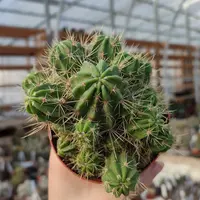
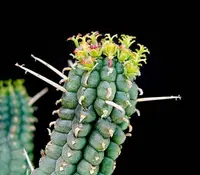
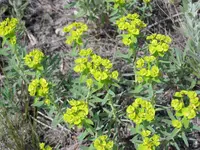
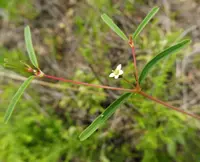
Euphorbia glareosa is a compact, perennial spurges species with a low, clumping habit and narrow leaves, often forming dense, bright green cushions. Its small, yellow-green floral structures sit above the foliage and give the plant a subtle but attractive look rather than showy blooms.

This species is native to dry, open habitats in parts of Europe, where it is adapted to sun and relatively poor, well-drained soils. It generally prefers bright light, low to moderate moisture, and mineral, free-draining substrates.

Because it is adapted to tough conditions, it can be relatively undemanding if drainage is good, which shapes how to care for Euphorbia glareosa in gardens and specialized collections.

Main Plant Requirements

Care Difficulty

Moderate Care

Light Preference

Full Sun

Water Requirements

Low Water

Temperature Preference

Warm Climate

Hardiness Zone

Unknown

Soil Texture

Sandy, Loamy, Rocky

Soil pH

Slightly acidic (6.5–7.0), Neutral (7.0)

Soil Drainage

Well-drained

Fertilization

Minimal (feed rarely)

Get Personalized Care Plan

Scan your plant to receive care tips personalized for your specific plant

Available on iOS and Android

How to Care for the Euphorbia glareosa

This drought-tolerant species prefers bright, open conditions with some protection from harsh midday sun.

  • Provide 6–8 hours of direct sun daily, ideally with morning sun and light afternoon shade, especially in hotter regions.
  • Tolerates light or partial shade (around 3–4 hours of sun), but stems may elongate and flowering decrease under low light.
  • In very hot summers, strong afternoon sun can scorch new growth; use neighboring plants or light shade cloth to filter light from 1–4 p.m.

As a xerophytic plant, it needs infrequent but thorough watering in sharply drained soil.

  • Allow the top 3–5 cm of soil to dry fully before watering; in sandy or rocky ground this often means intervals of 10–21 days, depending on heat and wind.
  • Water deeply so moisture reaches the root zone, then let excess drain away; avoid sites where water stands for more than a few hours after rain.
  • Watch for yellowing, soft, or splitting stems as overwatering signs, and for shriveling or limp new growth as indicators that Euphorbia glareosa is staying too dry.

This species prefers warm, dry conditions and has moderate tolerance to both heat and cold when soil drains well.

  • Aim for active growth temperatures around 65–80°F (18–27°C); brief peaks up to 90–95°F (32–35°C) are tolerated if soil is not waterlogged.
  • Protect from hard frost; established plants may survive light dips to about 20–25°F (-6 to -4°C) but stems or tips can be damaged.
  • In colder regions, plant in the warmest, best-drained microclimate and avoid low spots where cold air and winter wet combine, which greatly increase rot risk.

This species tolerates typical indoor humidity and rarely needs special adjustment.

  • Target 30–50% relative humidity, similar to most heated or air-conditioned homes.
  • Plant tolerates dry air well; soft, wrinkling new growth or tip dieback may suggest extreme dryness plus underwatering rather than low humidity alone.
  • If air is very dry and hot, group pots together and keep them away from heater vents to limit additional moisture loss.

Soil must be very free-draining to prevent root and stem rot in Euphorbia glareosa.

  • Use a gritty, sandy mix such as 50% cactus potting mix plus 50% mineral material like pumice, perlite, or coarse horticultural sand.
  • Aim for slightly alkaline to neutral pH around 7.0–7.8, avoiding strongly acidic substrates that can stress roots.
  • Ensure the mix stays loose and airy; avoid dense peat-based mediums that compact and hold water around the root collar.
  • In heavy native soils, plant on a raised mound or berm with added grit to improve drainage away from the crown.

This species adapts well to container growing when drainage and stability are managed carefully.

  • Choose a wide, shallow pot that matches the plant’s spreading root system, preventing unused wet substrate at depth.
  • Select unglazed clay containers outdoors to evaporate moisture faster and reduce the risk of prolonged wet periods after rain.
  • Place the container on pot feet or bricks so water can escape freely from drainage holes, especially in exposed outdoor sites.

This drought-adapted plant needs only light feeding to stay healthy in cultivation.

  • Use a low-dose balanced NPK fertilizer or very lean compost mix for Euphorbia glareosa during active spring–summer growth.
  • Feed 1–2 times per growing season; more frequent applications increase the risk of weak, lush growth.
  • Dilute liquid products to 1/2–1/4 strength to avoid root burn in this nutrient-efficient species.
  • Stop feeding in fall and winter when growth slows or plants are dormant.

Light, targeted pruning helps maintain a compact, healthy plant structure.

  • Carry out pruning in late winter or early spring before strong new growth starts.
  • Remove dead, damaged, or diseased stems first, then thin crowded shoots to improve air and light penetration.
  • Use clean, sharp hand pruners and make cuts just above a node or side branch.
  • Shaping Euphorbia glareosa modestly encourages bushier growth while preserving its natural form and flowering.

This species prefers stable conditions and benefits from infrequent, careful transplanting.

  • Plan repotting or outdoor transplanting in spring when active growth resumes and recovery is fastest.
  • Look for roots circling the pot, slow growth despite good care, or compacted soil as signals to move the plant.
  • Repot every 3–4 years at most, choosing a slightly larger container with sharply draining, gritty soil.
  • Minimize root disturbance, keep the original soil ball intact, water lightly after moving, and shade from intense sun for 3–5 days.

New plants are most often produced from seed, with some scope for careful division.

  • Sow fresh seeds in spring in a free-draining, sandy mix kept just slightly moist and in bright light.
  • Provide temperatures around 65–75°F to support germination and reduce the risk of fungal issues.
  • For mature clumps, divide cautiously in early spring, preserving as much root as possible for each piece.
  • Handle sap carefully when growing Euphorbia glareosa, wearing gloves and avoiding contact with skin or eyes.

This is generally cold hardy in temperate climates and often needs only modest winter attention.

  • In the ground, a light 3–5 cm mulch around (not on) the crown helps buffer freeze–thaw cycles.
  • Ensure soil drainage is excellent; prolonged winter wet is more damaging than low temperatures.
  • Container plants in colder zones can be moved to an unheated, frost-free shelter with bright light.
  • Avoid heavy pruning or feeding late in the season, which can stimulate tender, frost-vulnerable growth.

Care Tips

Handle Sap Safely

Wear gloves and avoid touching your face or eyes when cutting or repotting, as the milky latex sap is an irritant and tools should be rinsed promptly after use.

Encourage Compact Form

Rotate containers a quarter turn every 2–3 weeks during active growth so stems receive light more evenly, which keeps the plant compact and reduces leaning or lodging.

Prevent Root Overheating

In hot, sunny sites use light-colored pots or a top dressing of pale gravel to reduce root-zone heat stress, which helps maintain stable growth in summer.

Dry-Site Weed Control

Keep the soil around plants free of tall, moisture-holding weeds or groundcovers to maintain the very sharp drainage this species prefers and to reduce fungal issues at the crown.

Winter Wet Protection

In regions with cold, wet winters, place a flat stone or small tile at a slight angle behind the plant to deflect excess runoff from the crown, which supports long-term success when growing Euphorbia glareosa outdoors.

Common Pests and Diseases

Spurge aphids

This pest feeds on young stems and inflorescences, sucking sap and causing distortion, sticky honeydew, and sooty mold on Euphorbia glareosa in sunny, dry sites.

Solution

Prune and discard heavily infested shoot tips, then wash remaining stems with a strong but controlled stream of water. If needed, treat new growth with insecticidal soap or a light horticultural oil, applied in the early morning and repeated every 5–7 days until colonies decline, while also supporting natural predators such as lady beetles by avoiding broad-spectrum insecticides nearby.

Euphorbia rust

This disease causes small yellow spots on the upper leaf surface and orange-brown pustules on the undersides, leading to premature leaf drop in humid or overcrowded plantings.

Solution

Promptly remove and discard affected leaves and any fallen debris, then thin or divide clumps to improve airflow and reduce humidity around the plant. Avoid overhead watering, water at soil level in the morning, and if rust recurs, apply a labeled fungicide for ornamental rusts at the first signs of spotting, following the product’s interval recommendations.

Stem canker

This disease produces sunken, dark lesions on lower stems that may crack, ooze slightly, and girdle shoots, especially in wet or poorly drained sites.

Solution

Cut out affected stems well below the visible lesion with sterilized tools and discard them, then improve drainage and avoid splashing soil onto stems. Space plants so that air can move freely, water at the base, and in recurrent cases use a protective fungicide drench on the lower stems early in the growing season according to label directions for canker control on ornamentals.

Spider mites

These insects thrive in hot, dry conditions on outdoor clumps, causing fine speckling on leaves, dulling of foliage color, and in heavy infestations thin webbing between stems and bracts.

Solution

Increase humidity around the plant by occasional hosing of the foliage and use a firm spray of water to dislodge mites from stems and leaves. For persistent populations, apply insecticidal soap or a miticide labeled for ornamental use, ensuring thorough coverage of leaf undersides and repeating at 5–7 day intervals until new growth appears clean.

Crown rot

This disease affects the base of the plant at soil level, causing soft, dark, collapsing crowns that fail to reshoot, especially under chronic moisture and poor drainage.

Solution

Remove and destroy affected plants, including as much of the rotted crown and nearby soil as practical, then correct site conditions by improving drainage, planting on slight mounds, and avoiding overwatering. When establishing new clumps and growing Euphorbia glareosa, choose well-drained, gritty soil and avoid burying the crown too deeply to reduce future crown rot risk.

Interesting Facts

Calcareous soil specialist

This species naturally occurs on rocky, lime-rich (calcareous) substrates in parts of southeastern Europe, where it is adapted to shallow, stony soils with relatively low organic matter.

Compact cushion growth

Euphorbia glareosa forms low, dense cushions of shoots, an architecture that helps it resist wind exposure and reduce water loss in its open, sun-exposed habitats.

Late-spring flowering pattern

In its native range, it typically flowers from late spring into early summer, producing small yellow-green inflorescences that are pollinated by a range of generalist insects.

FAQs about Euphorbia glareosa

Yes. All parts contain a milky latex sap that is irritating or toxic if chewed or if it contacts skin or eyes. Keep away from children and pets, and wear gloves when pruning or dividing.

Grow Healthy Plants with Botan Care

Keep your plants happy and healthy with plant identification, disease detection, and easy care guidance.

Botan plant care app — identify plants on mobile

Explore More Plants