Euphorbia gossypina Care

Euphorbia gossypina

About Euphorbia gossypina

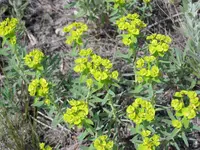
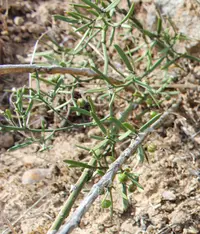
Euphorbia gossypina is a shrubby succulent spurge with a clumping habit, woody stems, and narrow leaves that may be shed in very dry or cool periods. It is native to arid, rocky regions of eastern Africa, where it experiences intense sun, sharp drainage, and irregular rainfall.

This plant stores water in its stems and is adapted to poor, mineral soils, which makes it relatively forgiving of drought but sensitive to excess moisture. For those learning how to care for Euphorbia gossypina, its main needs are bright light, a very free-draining substrate, and careful watering that avoids waterlogged conditions.

Under suitable conditions it is a slow to moderate grower and can be long-lived, making it a good choice for patient growers who can provide stable, dry environments.

Main Plant Requirements

Care Difficulty

Moderate Care

Light Preference

Full Sun

Water Requirements

Low Water

Temperature Preference

Warm Climate

Hardiness Zone

Unknown

Soil Texture

Sandy, Loamy, Rocky

Soil pH

Slightly acidic (6.5–7.0), Neutral (7.0)

Soil Drainage

Well-drained

Fertilization

Minimal (feed rarely)

Get Personalized Care Plan

Scan your plant to receive care tips personalized for your specific plant

Available on iOS and Android

How to Care for the Euphorbia gossypina

This drought-tolerant succulent prefers bright, open conditions that mimic its native habitat.

  • Provide 6–8 hours of direct sun daily, ideally with morning sun and some light afternoon shade in very hot, dry climates.
  • Plant Euphorbia gossypina in an exposed spot; it tolerates light partial shade but growth becomes more open and flowering may decline.
  • Watch for stress signals: pale, elongated stems indicate insufficient light, while scorched or brown patches on the sunny side point to excessive, intense afternoon sun.

This species stores water in its tissues and needs a careful, sparing approach to watering.

  • Allow the top 3–5 cm of soil to dry completely before watering, then soak the root zone and let excess drain away fully.
  • Reduce watering sharply in cool seasons, only watering when stems start to soften slightly; in hot, dry periods, drying still matters more than a fixed schedule.
  • Use fast-draining, gritty soil to prevent standing water; yellowing, mushy stems indicate overwatering, while wrinkling and persistent shriveling signal prolonged dryness.

This plant prefers warm, arid conditions and is sensitive to prolonged cold or frost.

  • Aim for 70–90°F (21–32°C) during active growth; it tolerates hotter periods if soil is very free-draining and roots are not waterlogged.
  • Protect from cold below 40°F (4°C); light, brief dips to 35°F (2°C) may be survived, but repeated exposure weakens tissues.
  • Avoid frost entirely, as freezing damages succulent stems; in regions with cold winters, grow it in a spot where it can be moved or protected once nights approach 40°F (4°C).

This species tolerates typical indoor humidity and rarely needs special adjustments.

This plant needs very sharply drained, mineral-rich soil to prevent root rot.

  • Use a gritty mix such as 50–60% inorganic materials (pumice, coarse sand, fine gravel) with 40–50% cactus potting substrate.
  • Aim for slightly acidic to neutral pH around 6.0–7.0, avoiding strongly acidic or compacted ground.
  • Ensure water drains through within seconds; amend heavy mixes with extra pumice or coarse sand to increase aeration.
  • Avoid clayey, peat-heavy, or moisture-retentive mixes, which hold water around the roots for too long and encourage rot.

This species is suitable for container growing when drainage and stability are carefully managed.

  • Choose a wide, heavy pot to reduce tipping risk and keep the root zone stable in windy or exposed positions.
  • Use only containers with large, unobstructed drainage holes so irrigation water exits quickly without pooling.
  • Select unglazed terracotta if extra moisture evaporation is needed, or a thicker-walled pot where slower drying and thermal buffering are preferred.

This drought-adapted species needs only light feeding in lean soils; established plants in the ground often manage without extra fertilizer.

  • For container or poor soils, use a balanced, low-dose slow-release or liquid fertilizer (around 10-10-10).
  • Apply at half-strength every 6–8 weeks during the active growing season, only on moist soil.
  • Avoid high-organic composts that hold excess moisture, which can increase root rot risk.
  • Stop feeding in late summer and avoid fertilizing during winter dormancy.

Pruning Euphorbia gossypina is mainly limited to safety, health, and light shaping.

  • Best time is late winter to early spring, before strong new growth starts.
  • Remove dead, damaged, crossing, or badly crowded stems with clean, sharp pruners.
  • Wear gloves and eye protection to avoid contact with the irritating milky sap (latex).
  • Lightly shorten overlong stems to maintain a balanced form without cutting into very old wood.

This plant is usually grown in the ground, so focus on careful transplanting rather than frequent repotting.

  • Transplant in late spring when soil is warming and frost risk has passed.
  • Look for signs like poor vigor, waterlogging, or unsuitable site conditions rather than rootbound symptoms.
  • Lift with a wide root ball, disturb roots as little as possible, and replant at the same depth in sharp-draining soil.
  • Water once to settle soil, then keep slightly dry to limit root rot and stress while new roots establish.

Propagation of Euphorbia gossypina is usually done by semi-woody stem cuttings or seed under controlled conditions.

  • Take non-flowering stem cuttings in late spring–summer and let cut ends callus for 1–2 days.
  • Use a gritty, free-draining mix, provide bright indirect light, and keep just barely moist.
  • For seeds, sow in a well-drained medium with gentle warmth and good light, avoiding overwatering.
  • Always wear gloves and avoid sap contact when cutting or handling propagating material.

This species has moderate cold tolerance but benefits from basic winter care in colder regions.

  • In-ground plants in mild climates tolerate light frosts if soil drains freely.
  • Apply a light gravelly mulch around the root zone to improve drainage rather than retain moisture.
  • In colder areas, grow Euphorbia gossypina in containers and move indoors above 40°F with bright light.
  • Keep soil almost dry in winter to reduce risk of root and crown rot.

Care Tips

Mandatory protective gear

Always wear nitrile or latex gloves and eye protection when handling this plant, and keep paper towels ready to immediately wipe off any sap from skin or tools, as its latex can irritate skin and eyes.

Timed stem pruning

Schedule structural pruning for late spring to early summer, trimming only firm, well-lignified stems so cuts seal faster and reduce the risk of rot or excessive latex flow.

Strategic staking method

Use 2–3 slim, rust-proof stakes placed just outside the root zone and secure stems with soft horticultural ties in a loose figure-eight pattern to keep tall shoots upright without cutting into the tissue.

Controlled offset removal

When removing basal offsets for propagation, wait until each offset has at least a few firm roots, cut with a sterile knife, let the cut surfaces callus for 3–5 days, then pot in a dry, gritty mix to avoid rot.

Targeted pest monitoring

Inspect leaf axils, stem joints, and any corky areas every 2–3 weeks with a hand lens, and at the first sign of mealybugs or scale, isolate the plant and treat only the affected spots with cotton swabs dipped in isopropyl alcohol to keep pests from spreading while growing Euphorbia gossypina.

Common Pests and Diseases

Spider mites

This pest often appears on stressed plants kept in hot, very dry conditions, causing fine speckling and a dull, dusty look on stems and leaves. Symptoms include fine webbing in crevices and reduced vigor over time.

Solution

Rinse the plant thoroughly with a firm stream of water, focusing on stem joints, then allow it to dry in bright, airy conditions. If populations persist, use a ready-to-use insecticidal soap or neem oil spray on all surfaces every 5–7 days for several cycles while slightly increasing humidity and avoiding heat stress to support Euphorbia gossypina care instructions.

Mealybugs

These insects hide in stem joints and along ribs, forming white cottony clusters and causing yellowing and stunted growth. This pest is attracted to plants kept in low light or overfertilized conditions.

Solution

Isolate the plant, then dab visible insects with cotton swabs dipped in isopropyl alcohol (70%) and wipe away residue. Follow with a thorough spray of insecticidal soap, repeating weekly until no new clusters appear, and reduce excess nitrogen fertilization to limit reinfestation.

Scale insects

These insects attach firmly to stems as small, brown or gray bumps and suck sap, leading to gradual weakening and occasional sooty mold from honeydew. Symptoms include sticky residue around the plant and poor new growth.

Solution

Gently scrape or rub off individual scales with a soft cloth or fingernail and discard them, taking care not to damage the succulent tissue. After mechanical removal, apply horticultural oil or neem oil, coating stems thoroughly and repeating applications every 10–14 days until the plant remains clean.

Powdery mildew

This disease appears as white, powdery patches on the surface of leaves and young stems, especially in crowded, humid, or poorly ventilated setups. Symptoms include distorted new growth and reduced vigor over time.

Solution

Improve air circulation, avoid overhead watering, and thin nearby plants to reduce humidity around the euphorbia. Remove heavily infected leaves if present and apply a sulfur-based or potassium bicarbonate fungicide labeled for ornamentals, repeating according to label directions until new growth stays clean.

Bacterial stem soft rot

This disease causes localized soft, water-soaked, brown to black areas on the succulent stems, often with a foul odor and rapid tissue collapse. Symptoms include sudden wilting of affected segments even when soil moisture is normal.

Solution

Immediately cut away all affected tissue with a sterile, sharp blade, discarding the rotted parts and keeping only firm, healthy segments. Allow cut surfaces to dry and callus in a dry, bright spot for several days, reduce watering, and avoid water sitting on wounded areas to limit further bacterial spread.

Interesting Facts

Cotton-like leaf hairs

This species has densely hairy leaves with a cottony texture, which helps reduce water loss and shields tissues from intense sun in its dry, open habitats.

Horn-shaped cyathia

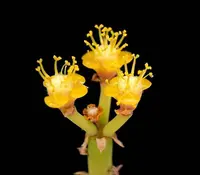
Its small inflorescences, called cyathia, sit in horn-like or funnel-shaped structures typical of the subgenus Tirucalli, giving the plant a distinctive flowering appearance despite the tiny individual flowers.

Pale milky latex

Like many members of its genus, it produces a white, milky latex that deters herbivores and seals wounds, but in this species the latex flow is relatively modest compared with many tree-form euphorbias.

FAQs about Euphorbia gossypina

This species has milky latex sap that is irritating and potentially toxic if ingested. Contact can cause skin and eye irritation. Keep it away from children and pets, and wear gloves when pruning or repotting.

Grow Healthy Plants with Botan Care

Keep your plants happy and healthy with plant identification, disease detection, and easy care guidance.

Botan plant care app — identify plants on mobile

Explore More Plants