Euphorbia lamarckii Care

Euphorbia lamarckii

About Euphorbia lamarckii

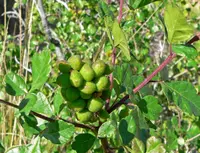
Euphorbia lamarckii is a shrubby succulent from the Canary Islands, valued for its upright, branching stems and narrow, linear leaves clustered at the tips. It often develops a sculptural, tree-like form with age, making it an architectural accent in dry gardens and bright indoor spaces.

This species is adapted to arid, coastal conditions and is naturally drought tolerant, which generally makes it low-maintenance once established. Understanding how to care for Euphorbia lamarckii starts with providing strong light, very well-drained, gritty soil, and avoiding prolonged cold or excess moisture.

Its slow to moderate growth and minimal pruning needs suit patient growers who prefer structured, long-lived plants over fast, leafy foliage.

Main Plant Requirements

Care Difficulty

Easy Care

Light Preference

Full Sun

Water Requirements

Low Water

Temperature Preference

Tropical / Frost Sensitive

Hardiness Zone

11–12

Soil Texture

Sandy, Loamy, Rocky

Soil pH

Slightly acidic (6.5–7.0), Neutral (7.0)

Soil Drainage

Well-drained

Fertilization

Minimal (feed rarely)

Get Personalized Care Plan

Scan your plant to receive care tips personalized for your specific plant

Available on iOS and Android

How to Care for the Euphorbia lamarckii

This drought-tolerant succulent shrub prefers bright, strong light that mimics its native Canary Islands conditions.

  • Provide 6–8 hours of full sun daily; in very hot inland areas, give light shade during harsh afternoon sun to prevent scorch on young stems.
  • The plant tolerates light partial shade, but growth becomes more open and less compact if it receives under 4–5 hours of direct sun.
  • In winter, when the sun is lower, allow more direct exposure by moving nearby shade or pruning overhead cover to maintain sturdy, upright growth.

This species stores water in its stems and needs a cautious, drought-style watering approach.

  • Allow the top 4–6 cm of soil to dry completely before watering, then soak thoroughly so excess drains away and the root zone is moist but not waterlogged.
  • Reduce watering in cool seasons, especially if growth slows; in hot, dry periods, water only when stems begin to look slightly less firm.
  • Yellowing, soft stems and a sour smell indicate overwatering, while wrinkling, shriveling stems signal underwatering and the need for a deeper drink.

This succulent shrub favors warm, dry conditions and is sensitive to prolonged cold and frost.

  • Aim for 65–80°F (18–27°C) for active growth, with dry air and good airflow to reduce fungal problems on stems and roots.
  • Euphorbia lamarckii tolerates brief drops to about 35–40°F (2–4°C) if soil is dry, but repeated cold or frost can damage tissues.
  • In very hot climates above 95°F (35°C), protect from reflective surfaces and intense late-afternoon sun to avoid stem stress and sunburn.

This species tolerates typical indoor humidity and usually does not need adjustments.

  • Aim for 30–50% humidity; avoid persistently damp, stagnant air that encourages rot.
  • Dry air is generally tolerated, but combined with strong heat it can cause leaf yellowing and tip browning.
  • If air is very dry near heaters, move the plant farther away rather than misting, which can keep stems too wet.

Euphorbia lamarckii prefers a very free-draining, mineral-rich substrate that dries quickly between waterings.

  • Use a cactus or succulent mix amended with 30–50% extra mineral grit such as pumice, coarse sand, or small lava rock for sharp drainage.
  • Aim for a sandy or gritty texture with plenty of air spaces so water runs through in seconds, not minutes.
  • Keep pH roughly neutral to slightly alkaline (about 6.5–7.5), avoiding peat-heavy mixes that stay wet and acidic.
  • Raise the plant slightly above surrounding soil or use a sloped surface outdoors so excess water cannot pool around the roots.

This species is suitable for container growing when the pot is chosen to keep roots dry and the tall stems stable.

  • Select a heavy terracotta or concrete pot to counterbalance the tall, shrubby top growth and reduce tipping in wind.
  • Choose a pot just 2–4 in wider than the root mass so the mix does not stay wet for long periods.
  • Place a layer of coarse stone or large gravel around (not over) the drainage holes to prevent blockage while preserving fast outflow of water.

This drought-tolerant shrub from nutrient-poor soils needs only light feeding under cultivation.

  • Use a low-dose balanced liquid fertilizer (around 10-10-10) at 1/4–1/2 strength during the main spring–summer growth period.
  • Feed Euphorbia lamarckii no more than every 4–6 weeks if growth or leaf color looks weak, skipping applications when growth is strong.
  • Avoid rich compost or heavy slow-release products, which can cause soft, weak shoots prone to rot.
  • Stop feeding in late summer; do not fertilize during cooler, low-light months when growth naturally slows.

Pruning is mainly used to keep this branching succulent shrub neat and safe to handle.

  • Carry out light pruning in late winter or early spring, before strong new growth starts.
  • Remove dead, damaged, crossing, or badly placed stems to maintain an open shape and good light penetration.
  • Use sharp, clean bypass pruners and wear gloves and eye protection because the milky sap is irritating.
  • Shortening overly tall stems encourages denser branching, but avoid heavy cutting back into very old, leafless wood.

Container-grown plants need infrequent repotting, as this species prefers to stay slightly root-bound.

  • Check every 2–3 years; repot only when roots circle the pot base, drainage slows, or growth declines.
  • Plan repotting or outdoor transplanting for late spring, once temperatures stay above about 55°F and new growth has begun.
  • Choose a pot only 2–5 cm wider, with a gritty, fast-draining mix to limit waterlogging around sensitive roots.
  • Handle the root ball gently, keep roots at the same depth, water once, then allow the mix to dry partly before the next irrigation to reduce stress.

This species is most often propagated from semi-hardwood stem cuttings rather than seed.

  • Take 8–12 cm cuttings in late spring or early summer from healthy, non-flowering shoots of Euphorbia lamarckii.
  • Wear gloves, then rinse off latex sap; leave cut ends to dry and callus for 2–5 days in a shaded, airy place.
  • Insert cuttings into a gritty, almost dry mix; optional rooting hormone improves success, but heavy watering should be avoided.
  • Keep in bright, indirect light at 68–77°F with minimal moisture until firm roots form, then water slightly more.

This subtropical euphorbia is not fully frost hardy and benefits from simple winter protection in cooler regions.

  • Avoid exposure to temperatures below about 30°F; brief light frost can mark stems, and harder freezes may kill tissue.
  • Grow containers in a very bright, cool indoor spot or unheated greenhouse where air stays frost-free and soil stays dryish.
  • In mild coastal climates, improve drainage and use a light, gritty mulch around the base rather than a moisture-holding organic mulch.

Care Tips

Protective handling

Wear nitrile gloves and long sleeves when cutting or repotting, and immediately rinse off any sap with cool running water to reduce skin irritation and accidental eye contact risk.

Sap-safe pruning

Keep a clean container of lukewarm water nearby when pruning and dip each fresh cut end in it for a few seconds to help slow latex flow and prevent sticky sap from dripping on surfaces.

Structural shaping

If stems begin to lean, stake them with a rigid bamboo cane and use soft plant ties in a loose figure-eight loop, which keeps them upright without cutting into the tissue as they thicken.

Gradual sun shifts

When moving the plant from indoors to a sunnier outdoor site, increase light exposure over 7–10 days to avoid corky sunburn patches on the green stems.

Targeted pest checks

Inspect stem angles and leaf bases every few weeks for scale or mealybugs, and treat early with a cotton swab dipped in 70% isopropyl alcohol to keep caring for Euphorbia lamarckii straightforward and chemical use minimal.

Common Pests and Diseases

Stem canker

This disease causes sunken, dark, or corky lesions on the green stems, sometimes leading to cracking and dieback on older branches.

Solution

Remove and discard affected stem sections back to healthy tissue with a sterile knife, allow cut surfaces to dry and callus in a dry, airy place, then reduce watering and avoid overhead wetting of stems to limit further fungal infection.

Powdery mildew

This disease appears as a fine white or gray powdery coating on stems and any small leaves, often in humid, stagnant air conditions.

Solution

Improve air movement around the plant, avoid misting, and treat affected surfaces with a sulfur-based or potassium bicarbonate fungicide labeled for succulents, repeating as directed until new growth appears clean.

Mealybugs

These insects form white, cottony clusters in stem angles and along the ribs, sucking sap and causing yellowing and weak, stunted growth.

Solution

Isolate the plant, dab visible insects with cotton swabs dipped in 70% isopropyl alcohol, then wash the plant gently and follow up with 1–2 applications of a systemic insecticide or horticultural soap suitable for succulents, checking crevices regularly for reinfestation while caring for Euphorbia lamarckii in warm, dry conditions.

Scale insects

This pest appears as small, hard, brown or gray bumps tightly attached to stems, leading to sap loss, sticky honeydew, and sooty mold growth.

Solution

Manually scrape or rub off scales with a soft brush or cloth, prune heavily infested stems, then apply horticultural oil or a systemic insecticide according to label directions, repeating after 7–14 days to target newly emerged crawlers.

Spider mites

These insects are tiny and often invisible to the naked eye, causing fine stippling, dulling of stem color, and in severe cases fine webbing between branches in hot, dry conditions.

Solution

Rinse stems thoroughly under a gentle stream of water, increase humidity around but not directly on the plant, then apply a miticide or horticultural soap specifically labeled for mites, repeating treatments and inspecting regularly until new growth looks clean.

Interesting Facts

Canary Islands endemic

This species occurs naturally only on the Canary Islands, mainly on Tenerife and La Gomera, where it grows on dry, rocky slopes and cliffs in coastal scrub and lowland woodland margins.

Drought-adapted shrub form

In its native habitat it often forms dense, many-branched shrubs around 1–2 m tall, with narrow, leathery leaves clustered near the stem tips that reduce water loss in the island’s dry, windy conditions.

Milky latex defense

Like many spurges, it produces a white, irritating latex sap that helps seal wounds and deters herbivores, a key defensive trait for a slow-growing woody plant in exposed habitats.

FAQs about Euphorbia lamarckii

Yes. The milky sap is toxic and irritating. Contact can cause skin and eye inflammation, and ingestion may trigger vomiting or diarrhea in pets and humans. Always wear gloves and keep this plant away from children and animals.

Grow Healthy Plants with Botan Care

Keep your plants happy and healthy with plant identification, disease detection, and easy care guidance.

Botan plant care app — identify plants on mobile

Explore More Plants