Handle latex safely
Wear gloves and avoid touching your face when cutting or repotting, as the milky sap can irritate skin and eyes and should be rinsed off immediately with plenty of clean water if contact occurs.

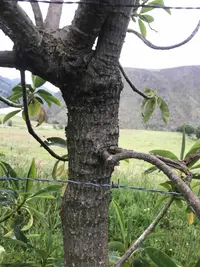
Euphorbia laurifolia is a shrubby succulent spurge with woody stems and narrow, laurel-like leaves that stay relatively neat and structured as it matures. It typically forms a branching, upright plant that can resemble a small, sparse shrub rather than a soft, leafy houseplant.
This species is native to arid regions of Africa, so it is adapted to strong light, high temperatures, and dry spells. Its drought tolerance and slow, steady growth habit generally make it manageable for indoor growers once watering is controlled.
Those learning how to care for Euphorbia laurifolia should focus on bright light, fast-draining gritty soil, and avoiding overwatering, which is the main cause of decline in this plant.

Care Difficulty
Moderate Care

Light Preference
Full Sun

Water Requirements
Low Water

Temperature Preference
Warm Climate

Hardiness Zone
10–12

Soil Texture
Sandy, Loamy, Rocky

Soil pH
Slightly acidic (6.5–7.0), Neutral (7.0)

Soil Drainage
Well-drained

Fertilization
Minimal (feed rarely)
Scan your plant to receive care tips personalized for your specific plant
Available on iOS and Android
This species prefers bright conditions with protection from intense midday sun.
Watering should mimic dry, open habitats with brief, thorough soakings and long dry intervals.
Temperature tolerance is broad, but growth is strongest in warm, frost-free conditions.
This species tolerates typical indoor humidity and rarely needs special humidity management.
Euphorbia laurifolia requires a very free-draining, mineral-lean substrate to prevent root rot.
This species is well suited to container growing due to its controlled root system and drought tolerance.
This shrub or small tree grows acceptably in lean soils but responds to modest feeding in containers or poor ground.
This species needs only light, targeted pruning to maintain structure and remove problem growth.
This plant is usually grown in the ground, with transplanting done only when necessary to correct spacing or site conditions.
Propagation is possible but slow, so it is usually done by experienced growers or when expanding a valued plant.
This species is moderately frost sensitive and benefits from basic winter protection in colder regions.

Plant Health Check
Not sure what's wrong with your plant? Check your plant's health inside the app.
This species is named for its resemblance to laurel leaves, with narrow, leathery, evergreen leaf blades arranged along woody stems rather than the fleshy segments typical of many succulents.
It is naturally found in the dry forests and thickets of Madagascar, where it experiences pronounced dry seasons and strong sunlight on rocky or sandy substrates.
Like many spurges, it produces a white, milky latex that is strongly irritant to skin and eyes; in its native range this defensive sap helps deter herbivores and protects damaged tissue from infection.
This species has a milky sap that is toxic and very irritating. It can cause skin redness, eye injury, and stomach upset if eaten. Keep away from children and pets, and wear gloves when pruning.
Keep your plants happy and healthy with plant identification, disease detection, and easy care guidance.