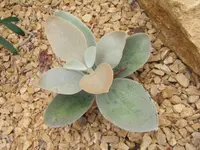
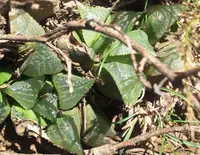
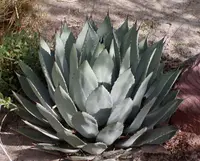
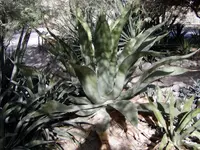
Window Haworthia Care (Haworthia mirabilis)

Window Haworthia

About Window Haworthia

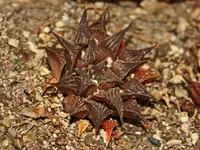
Window haworthia (Haworthia mirabilis) is a compact succulent from South Africa, valued for its translucent leaf tips that act like small windows. These windows help the plant capture light while it stays low to the ground, often partly buried in sandy or rocky soils.

The rosette forms dense clusters over time, making it suitable for small pots and windowsills. Its slow growth and modest size make it easy to place in homes or offices.

Haworthia mirabilis is generally considered forgiving, as long as it receives bright, indirect light, well-drained soil, and careful watering. Many indoor gardeners find it straightforward to care for Window Haworthia when they avoid overwatering and strong, direct midday sun.

Main Plant Requirements

Care Difficulty

Easy Care

Light Preference

Bright Indirect Light

Water Requirements

Low Water

Temperature Preference

Tropical / Frost Sensitive

Hardiness Zone

10–11

Soil Texture

Sandy, Loamy, Rocky

Soil pH

Acidic (5.5–6.5), Slightly acidic (6.5–7.0)

Soil Drainage

Well-drained

Fertilization

Minimal (feed rarely)

Get Personalized Care Plan

Scan your plant to receive care tips personalized for your specific plant

Available on iOS and Android

How to Care for the Window Haworthia

This compact succulent prefers bright, indirect light that mimics filtered sun in its native habitat.

  • Provide 4–6 hours of bright, filtered light daily, such as an east window with gentle morning sun and protection from harsh midday rays.
  • Tolerates light shade for part of the day, but very low light leads to stretched, pale leaves in Window Haworthia and slower growth.
  • In summer, shield from intense afternoon sun to prevent leaf scorch; in winter, move closer to the brightest window to compensate for shorter days.

This species prefers thorough but infrequent watering with time for the soil to dry between soakings.

  • Water only when the top 3–5 cm of soil are completely dry, then water deeply so excess drains away and do not leave the pot standing in water.
  • In spring and summer, watering is usually needed more often; in fall and winter, reduce frequency as growth slows and evaporation decreases.
  • Signs of overwatering include soft, translucent leaves and a sour soil smell; wrinkling or folding leaves on Haworthia mirabilis usually indicate it is time to water.

This succulent grows best in moderate, stable temperatures with protection from frost and extreme heat.

  • Aim for 65–80°F (18–27°C) during active growth; brief peaks up to 90°F (32°C) are tolerated if light is filtered and airflow is good.
  • Protect from temperatures below 40°F (4°C); prolonged exposure near or below freezing can cause tissue damage and rot in the rosette center.
  • In winter, slightly cooler conditions around 55–65°F (13–18°C) are acceptable if the soil is kept drier; avoid placing the plant next to heaters or cold drafts.

Humidity is a minor factor for Haworthia mirabilis, which is adapted to dry indoor air.

  • Aim for 30–50% humidity; typical heated or air-conditioned rooms are acceptable for Window Haworthia.
  • Very high humidity with poor air movement can encourage rot, especially if the potting mix stays damp.
  • Soft, translucent, or collapsing leaves while the mix is wet often indicate excess humidity combined with overwatering.

Haworthia mirabilis needs a very fast-draining, mineral-rich substrate to protect its roots from rot.

  • Use a gritty, sandy mix such as 50–70% inorganic material (pumice, perlite, coarse sand, or small gravel) with 30–50% cactus potting mix.
  • Aim for neutral to slightly acidic pH, around 6.0–7.0, which suits most commercial cactus mixes.
  • Increase aeration by using large, irregular particles rather than fine sand that can compact and hold excess moisture.
  • Avoid peat-heavy, dense, or water-retentive mixes that stay wet for more than 2–3 days after thorough watering.

This compact succulent is very suitable for container growing.

  • Choose a shallow but wide pot that matches the plant’s rosette spread so the roots fill the volume and the mix dries evenly.
  • Select unglazed clay if the mix tends to stay damp, because it allows faster moisture loss through the pot walls.
  • Use a pot shape with a slightly wider base to prevent tipping if the rosette becomes offset-heavy on one side.

This compact succulent has modest nutrient needs, so use light feeding to support steady growth of Window Haworthia.

  • Use a balanced liquid fertilizer (such as 10-10-10 or 20-20-20) diluted to 25% strength for container plants.
  • Feed every 4–6 weeks during spring and summer when growth is active.
  • Avoid organic composts that stay wet; choose formulations for cacti and succulents instead.
  • Stop or reduce feeding to 1 light application for the whole period in fall–winter.

Haworthia mirabilis needs minimal pruning, mainly for hygiene and appearance.

  • Best time for light cleanup is during active growth in spring or early summer.
  • Remove dead, dried, or damaged leaves at the base using clean, sharp scissors or small snips.
  • Trim crowded, shriveled outer leaves to maintain a compact rosette shape and allow light into the center.
  • Disinfect tools before and after use to reduce the risk of fungal or bacterial infection.

Repotting Haworthia mirabilis is infrequent, focused on root health and fresh, fast-draining soil.

  • Repot every 2–3 years, or when roots circle the pot, emerge from drainage holes, or growth slows without another cause.
  • Choose late spring as the preferred time, when temperatures are stable and growth is starting.
  • Use a small pot with drainage and a gritty cactus mix; avoid oversizing, which keeps soil wet too long.
  • Gently loosen roots, remove old soil, let any damaged roots dry for 1 day, then replant and water lightly after 3–5 days.

Haworthia mirabilis is commonly propagated by offsets, with seeds used mainly by collectors.

  • Separate well-rooted offsets in spring or early summer when repotting the parent plant.
  • Allow offsets with cut or broken bases to dry for 1 day, then plant in slightly moist, gritty cactus mix.
  • Keep in bright, indirect light at 68–75°F, letting soil almost dry between light waterings to encourage rooting.
  • For seed, sow on the surface of sterile, fine succulent mix, keep at 70–77°F, and maintain lightly moist, not wet, conditions.

This succulent is frost sensitive and needs cool, dry, bright winter conditions in most climates.

  • Move containers indoors before temperatures drop below 40°F, choosing a bright windowsill with indirect sun.
  • Maintain temperatures around 50–60°F to support a mild rest period without chilling injury.
  • Water sparingly, about every 3–4 weeks, allowing soil to dry fully between waterings to prevent rot.
  • Avoid cold drafts and condensation on leaves by ensuring good air circulation around the plant.

Care Tips

Seasonal rest period

In late fall and winter, reduce handling, repotting, and offsets removal so the plant can rest and store energy, then resume active work in spring when new root tips and leaves start to appear.

Offset selection

When dividing offsets, choose pups with visible roots and a diameter of at least 1.5–2 cm, and allow any cut surfaces to dry for 2–3 days before potting to reduce rot risk.

Pot depth choice

Use a shallow but wide pot so the fibrous roots can spread laterally, keeping the transparent leaf windows near the substrate surface where they receive more light.

Controlled light acclimation

If moving the plant to a brighter spot, increase light over 2–3 weeks by shifting it a few inches at a time or using a sheer curtain, which helps prevent the translucent leaf tips from sunscald.

Substrate surface care

Top-dress the soil with a 0.5–1 cm layer of inert grit such as pumice, lava rock, or coarse sand to keep leaf bases dry, stabilize the rosette, and create a cleaner surface for caring for Window Haworthia.

Common Pests and Diseases

Mealybugs

This pest appears as small white cottony clusters tucked between leaf bases and along roots, often causing slow, uneven growth and leaf yellowing.

Solution

Remove visible insects with a cotton swab dipped in 70% isopropyl alcohol, then rinse the plant and pot gently. Isolate the plant, repeat spot treatments weekly until no new insects appear, and consider repotting in fresh, well-drained mix if root mealybugs are present.

Aloe mite

This pest causes distorted, blistered, or warty growth on the transparent leaf tips and along the rosette, often starting as small, rough patches.

Solution

Remove and discard all affected leaves and growth points with sterile tools, then isolate the plant. Disinfect tools after cutting and improve spacing and airflow; in severe cases, destroy heavily deformed plants to protect nearby succulents.

Spider mites

These insects create fine webbing in the leaf rosette and cause tiny pale speckles on the translucent leaf areas, especially in hot, dry conditions.

Solution

Rinse the plant thoroughly under a gentle stream of water, including the center of the rosette, then increase humidity slightly and improve air movement. For persistent infestations, apply a neem oil or insecticidal soap spray to all leaf surfaces and repeat every 5–7 days until clear.

Fungal leaf spot

This disease produces small brown or translucent water-soaked spots on leaves, which may expand or merge under prolonged moisture and poor airflow.

Solution

Remove affected leaves with clean tools and keep the rosette dry by watering at the soil line only. Improve airflow, reduce overhead misting, and, if spots continue to spread, apply a sulfur or copper-based succulent-safe fungicide according to the label.

Bacterial soft rot

Symptoms include rapidly softening, translucent, or mushy leaves with a foul smell, often starting at the leaf base or crown after overwatering or injury.

Solution

Immediately remove and discard all mushy tissue and allow the remaining healthy parts to dry in a bright, airy place for several days. If any firm offsets remain, replant them in fresh, dry, gritty succulent mix, keep water very limited at first, and avoid water sitting in the rosette to support long-term Haworthia mirabilis plant care.

Interesting Facts

Sunken windowed leaves

This species forms rosettes with thick, triangular leaves that are partly buried in the soil, with translucent panels at the tips that act like windows to channel light into the shaded inner tissues.

Karoo karroid specialist

Haworthia mirabilis is native to arid, winter-rainfall regions of the Western Cape in South Africa, where it grows in shallow, rocky soils among stones and low shrubs that protect it from intense sun and seasonal drought.

Highly variable forms

Wild populations show striking variation in leaf shape, translucency, and patterning, which has led to the description of numerous local forms and varieties that are popular among collectors and those interested in growing Window Haworthia.

Botan icon

Did you know?

In its native habitat, Haworthia mirabilis often contracts and pulls its rosette so deep into the soil during dry periods that only the translucent leaf tips remain exposed at the surface, reducing water loss while still allowing enough light to reach the photosynthetic tissues.

FAQs about Window Haworthia

Brown tips or patches usually result from underwatering, intense direct sun, or salt buildup from fertilizer. Check the roots for rot, flush the soil occasionally, and move the plant away from harsh midday sun if necessary.

Grow Healthy Plants with Botan Care

Keep your plants happy and healthy with plant identification, disease detection, and easy care guidance.


Botan plant care app — identify plants on mobile

Explore More Plants