Root-zone containment
Grow this species in a wide, shallow container or use buried edging outdoors to limit lateral root spread and make division and transplanting safer and easier.

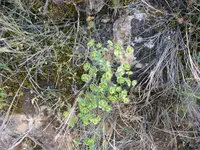
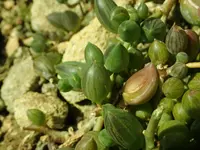
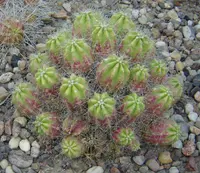
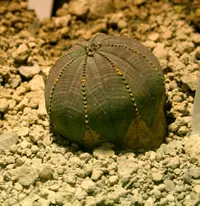
Euphorbia minuta is a small, compact succulent species in the spurge family, valued mainly by collectors of unusual drought‑tolerant plants. It typically forms low, intricate clumps with fine stems and small leaves, often resembling a miniature shrub or cushion on the soil surface.
This species is native to arid or semi‑arid regions, where it has adapted to intense light and limited water. Its slow growth and specialized habitat needs can make it challenging outside suitable climates.
In cultivation, Euphorbia minuta prefers bright light, very well‑draining mineral soil, and careful watering to avoid root rot. Understanding these natural adaptations is key to how to care for Euphorbia minuta successfully.

Care Difficulty
Moderate Care

Light Preference
Full Sun

Water Requirements
Low Water

Temperature Preference
Warm Climate

Hardiness Zone
Unknown

Soil Texture
Sandy, Loamy, Rocky

Soil pH
Slightly acidic (6.5–7.0), Neutral (7.0)

Soil Drainage
Well-drained

Fertilization
Minimal (feed rarely)
Scan your plant to receive care tips personalized for your specific plant
Available on iOS and Android
This compact succulent prefers bright, open exposures with protection from the harshest midday sun.
This species is drought-tolerant and needs infrequent but thorough watering in fast-draining soil.
This drought-adapted plant prefers warm, dry conditions and is sensitive to prolonged cold and frost.
This species handles typical indoor humidity and rarely needs adjustments.
Euphorbia minuta prefers a sharply draining, mineral-rich substrate that prevents waterlogging around its roots.
This compact species is well suited to container growing.
This small, drought-tolerant succulent needs only light feeding to stay healthy in cultivation.
Pruning needs are minimal and focus on maintaining a compact, healthy clump.
Movement of this plant should be infrequent and done only when clear signs appear.
Propagation is usually done by carefully managed stem cuttings or by seed where available.
Cold protection depends on climate and whether the plant is in the ground or a container.

Plant Health Check
Not sure what's wrong with your plant? Check your plant's health inside the app.
This species forms very low, compact cushions close to the ground, an adaptation that helps it resist strong winds and conserve moisture in exposed, dry habitats.
The tiny, reduced leaves mean most photosynthesis takes place in the green stems, which limits water loss while still allowing the plant to produce enough energy in harsh conditions.
Euphorbia minuta is associated with rocky, well-drained, low-organic soils, where competition from taller vegetation is low and its miniature growth form offers an advantage.
Brown leaves usually result from underwatering, sudden cold, excess fertilizer, or sun scorch. Check soil moisture, protect from cold drafts, flush built-up salts, and gradually adjust light exposure to prevent further tissue damage.
Keep your plants happy and healthy with plant identification, disease detection, and easy care guidance.