Parish's Sandmat Care (Euphorbia parishii)

Parish's Sandmat

About Parish's Sandmat

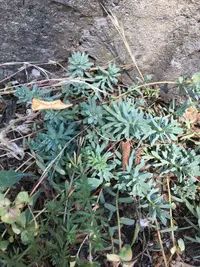
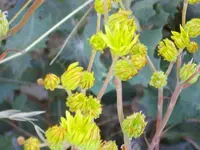
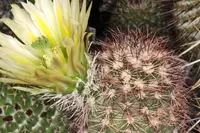
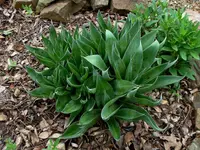
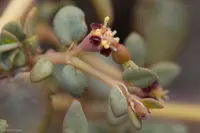
Parish's sandmat (Euphorbia parishii) is a small, low-growing succulent herb native to arid regions of the southwestern United States. It forms tight mats or clumps close to the ground, with narrow gray-green leaves and tiny, inconspicuous flowers.

This species is adapted to sandy, fast-draining soils and intense sun, often growing in desert washes and open scrub. Its drought tolerance makes it interesting for dry rock gardens and specialized collections, but it is not a typical beginner houseplant.

To care for Parish's Sandmat successfully, it helps to mimic desert conditions with strong light, very sharp drainage, and careful watering to avoid prolonged wet roots.

Main Plant Requirements

Care Difficulty

Moderate Care

Light Preference

Full Sun

Water Requirements

Low Water

Temperature Preference

Warm Climate

Hardiness Zone

9–11

Soil Texture

Sandy, Rocky, Loamy

Soil pH

Slightly acidic (6.5–7.0), Neutral (7.0)

Soil Drainage

Well-drained

Fertilization

Minimal (feed rarely)

Get Personalized Care Plan

Scan your plant to receive care tips personalized for your specific plant

Available on iOS and Android

How to Care for the Parish's Sandmat

This desert succulent needs strong light that mimics open, sun-exposed habitats.

  • Provide 6–8 hours of direct sun daily, ideally full morning sun with slightly filtered or high-angle afternoon sun in very hot climates.
  • The plant tolerates light partial shade, but prolonged shade leads to weak, stretched growth and reduced flowering in Parish's Sandmat.
  • In summer, acclimate slowly to intense sun to avoid scorching; in winter, avoid deep shade from buildings or trees so it still receives at least 4 hours of direct light.

This species is strongly drought-adapted and must dry well between waterings.

  • Allow soil to dry completely through at least the top 5–8 cm before watering again; in native-like sandy soil this may mean long gaps between waterings.
  • Use very fast-draining, gritty soil and raised planting or mounds so water does not pool around Euphorbia parishii roots after rain or irrigation.
  • Reduce or withhold watering in cool winter dormancy; watch for shriveling stems as a sign to give a modest drink, and soft, yellowing tissue as a warning of overwatering.

This desert perennial prefers warm, dry air and does poorly in frost or prolonged cold.

  • Aim for active growth temperatures around 70–90°F (21–32°C); short heat spikes up to 100°F (38°C) are tolerated if soil is very free-draining.
  • Protect the plant from temperatures below 32°F (0°C); light, brief frost may be survived, but repeated or hard freezes can kill tissues and roots.
  • In regions with cold winters, grow in the warmest microclimate, shelter from winter rain, and keep soil dry when temperatures drop below 45°F (7°C) to reduce cold damage risk.

This desert euphorbia tolerates very dry air and usually needs no special humidity control indoors.

  • Aim for 20–40% relative humidity, similar to a heated, dry room environment.
  • Plants stay healthy in low humidity; avoid placing them in persistently damp, stagnant air.
  • Watch for soft, pale, or rotting stems in overly humid spots and move the plant to a drier, better-ventilated area when caring for Parish's Sandmat.

This species needs a very fast-draining, mineral-based substrate that mimics desert sand and gravel.

  • Use a cactus/succulent mix amended with extra coarse sand or 2–4 mm grit to create a loose, open structure.
  • Aim for slightly alkaline to neutral pH around 7.0–7.8, avoiding strongly acidic potting blends heavy in peat.
  • Mix in mineral components such as pumice, perlite, and small gravel; keep organic matter low to reduce moisture retention.
  • Avoid compacted, clayey, or water-retentive soils that stay wet for more than 1 day, as Euphorbia parishii is very sensitive to root rot.

This compact desert species is well suited to container growing.

  • Choose a wide, shallow pot to spread the root system horizontally and prevent water from collecting deeply around the crown.
  • Use unglazed clay containers when possible, as their porous walls let excess moisture escape more quickly in cool or humid climates.
  • Raise the pot slightly on feet or mesh so drainage holes never sit directly in runoff trays, allowing water to clear fully after each watering.

This desert Euphorbia needs only light feeding to stay healthy in cultivation.

  • Use a low-strength balanced liquid fertilizer (around 10-10-10) diluted to 25–50% in spring and early summer.
  • Feed every 4–6 weeks during active growth if the plant is in a very free-draining, low-organic mix.
  • Avoid rich composts; excess nutrients can cause weak, swollen growth in Parish's Sandmat.
  • Stop feeding in late summer and do not fertilize during cool, dormant periods.

Pruning needs for Euphorbia parishii are minimal and mostly corrective.

  • Carry out light pruning in late winter or early spring before strong new growth starts.
  • Use clean, sharp scissors or small pruners, wearing gloves to avoid skin contact with the sap.
  • Remove dead, shriveled, or damaged stems and any weak, crossing growth to improve airflow.
  • Shape the plant conservatively; over-cutting can stress this slow-growing species.

Container-grown Euphorbia parishii prefers infrequent repotting and careful handling of its roots.

  • Check every 3–4 years; repot only when roots circle the pot or water runs straight through quickly.
  • Plan repotting for late winter to early spring, just before active growth resumes.
  • Use a slightly larger pot with a very gritty, fast-draining cactus or succulent mix to limit root rot risk.
  • Minimize root disturbance, keep the original root ball mostly intact, and water lightly for 1–2 weeks afterward.

Propagation of Euphorbia parishii is possible but slower than many common succulents.

  • Use seed in late winter or spring; sow on the surface of a gritty mix and keep slightly moist and warm (70–75°F).
  • Cuttings can be taken from small side shoots in warm months, allowing cut surfaces to dry and callus for several days.
  • Root cuttings in a sharply drained, barely moist medium with bright, indirect light and good airflow.
  • Handle latex sap carefully and avoid overwatering young plants, which are prone to rot.

This desert species needs cool, dry winter conditions and is only moderately frost tolerant.

  • Aim to keep plants above 25–30°F; brief, light frosts are tolerated if soil stays dry.
  • For container plants, move under cover or indoors to a bright, cool room before hard freezes.
  • Ensure the potting mix dries almost completely between sparse winter waterings to prevent root rot.

Care Tips

Dormancy management

Allow the plant to go nearly dry and keep it slightly cooler in late fall to winter to support a proper rest period, then very gradually increase watering and warmth in early spring to avoid shock when growth resumes.

Root-zone protection

Use a top dressing of coarse gravel or small rocks around the crown to keep the stem base dry, reduce soil splash on the plant, and stabilize this shallow-rooted species in its pot.

Mineral-rich repotting

When repotting, shift only one pot size up and refresh the mix with a high proportion of mineral grit so roots stay compact and healthy rather than producing weak, overextended growth.

Sun acclimation

If the plant has been indoors or shaded, increase light exposure over 10–14 days by moving it gradually toward a brighter spot to prevent sunscald on newly exposed tissue while growing Parish's Sandmat.

Safe handling

Wear gloves and avoid touching your face when handling or repotting, since damaged tissues can release sap that may irritate skin; rinse tools and any sap contact areas with lukewarm soapy water after work.

Common Pests and Diseases

Root-knot nematodes

This pest attacks roots in sandy desert soils and causes galls, stunting, and poor growth in stressed plants. Symptoms include yellowing, reduced vigor, and plants that fail to respond to normal watering and fertilizing.

Solution

Remove and discard heavily affected plants and avoid replanting Euphorbia parishii in the same spot for several years. Improve soil drainage, rotate with non-host plants, and, in outdoor beds, solarize the soil in hot climates by covering moist soil with clear plastic for 4–6 weeks in peak summer to lower nematode populations.

Corky stem canker

This disease produces rough, corky, or sunken lesions on the succulent stems, often following mechanical damage or sunburn. Symptoms include localized browning, hardened tissue, and occasional cracking along ribs or joints.

Solution

Cut out severely affected stem sections with a sterile knife, keeping only firm, healthy tissue, and allow wounds to dry and callus in a warm, airy place before replanting. Reduce overhead watering, protect plants from extreme midday sun shifts, and maintain good air circulation to limit further infections, especially when caring for Parish's Sandmat in small outdoor collections or alpine houses.

Soft bacterial stem rot

This disease causes water-soaked, mushy, foul-smelling areas on the stems, usually starting at wounds or where water collects. Symptoms include rapid collapse of affected segments while nearby tissue remains initially firm.

Solution

Immediately remove and discard all soft, discolored tissue, cutting back into clean, firm stem and sterilizing tools between cuts; discard the entire plant if rot is extensive. Keep remaining plants dry around the crown, avoid water sitting in stem crevices, increase air movement, and use a coarse, very fast-draining mineral substrate to discourage recurrence.

Mealybugs

These insects hide in stem joints and at the base of the plant, sucking sap and weakening the plant over time. This pest often appears as small white cottony patches on stems, in crevices, or around roots.

Solution

Isolate affected plants, then dab visible mealybugs with cotton swabs dipped in 70% isopropyl alcohol and repeat weekly until no new insects appear. For larger infestations, wash the plant gently with a strong but not damaging stream of water, repot in fresh mineral soil to remove root mealybugs, and use a labeled systemic insecticide only if cultural control is not sufficient.

Aloe mite-like galling

This pest complex causes abnormal, rough, warty, or gall-like growths on stems or along ribs, sometimes with distorted new growth. Symptoms include thickened, irregular tissue that does not match the plant’s normal smooth form.

Solution

Prune out all distorted or gall-covered tissue with sterile tools and destroy the removed parts, then keep the plant in drier, well-ventilated conditions. Avoid bringing in infested material from other succulent collections, inspect new Euphorbia plants carefully before adding them nearby, and maintain low humidity and good light so new healthy growth can replace damaged areas over time.

Interesting Facts

Desert camouflage growth

This species often grows nearly flush with the soil surface, with its gray-green stems and small leaves blending into the sandy desert substrate, which helps reduce herbivory and water loss in its native Mojave and Sonoran Desert habitats.

Specialist desert habitat

It is native to loose, sandy or gravelly flats and washes of southern California, Nevada, and adjacent Baja California, where it is adapted to highly draining soils, intense sun, and very low, irregular rainfall.

Tiny, specialized flowers

Like other spurges, it produces cyathia, a specialized flower-like structure unique to the genus Euphorbia, but in this species they are especially small and low to the ground, timed to take advantage of brief periods of suitable desert conditions.

FAQs about Parish's Sandmat

This species contains a milky sap that is irritating if chewed or contacts skin or eyes. It is considered unsafe for pets. Keep plants out of reach and seek veterinary advice if ingestion or irritation occurs.

Grow Healthy Plants with Botan Care

Keep your plants happy and healthy with plant identification, disease detection, and easy care guidance.

Botan plant care app — identify plants on mobile

Explore More Plants