Petrosedum amplexicaule Care

Petrosedum amplexicaule

About Petrosedum amplexicaule

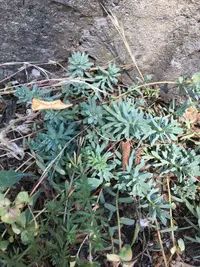
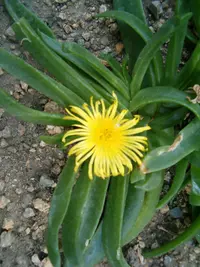
Petrosedum amplexicaule is a small, mat-forming succulent from rocky, sun-exposed slopes in the Mediterranean region. It forms low cushions of fleshy, overlapping leaves and sends up short flower stems with clusters of starry yellow blooms.

The plant is adapted to poor, stony soils and dry conditions, which makes it suitable for rock gardens, troughs, and green roofs. Its compact size and drought tolerance generally make it easy to manage, as long as drainage is excellent.

Gardeners who want to learn how to care for Petrosedum amplexicaule should focus on strong light, low to moderate watering, and a gritty, fast-draining substrate.

Main Plant Requirements

Care Difficulty

Easy Care

Light Preference

Full Sun

Water Requirements

Low Water

Temperature Preference

Warm Climate

Hardiness Zone

8–10

Soil Texture

Sandy, Loamy, Rocky

Soil pH

Slightly acidic (6.5–7.0), Neutral (7.0)

Soil Drainage

Well-drained

Fertilization

Minimal (feed rarely)

Get Personalized Care Plan

Scan your plant to receive care tips personalized for your specific plant

Available on iOS and Android

How to Care for the Petrosedum amplexicaule

This sun-loving Mediterranean succulent thrives in bright, open positions with limited shade.

  • Provide 6–8 hours of direct sun daily; morning to early afternoon sun is ideal, especially in cooler climates.
  • In hot summer regions, give Petrosedum amplexicaule light afternoon shade or filtered sun to reduce leaf scorch and stress.
  • On north-facing sites or in heavy shade, stems stretch and flower display is reduced; consider a brighter, south- or west-facing slope or rock garden.

This drought-tolerant succulent prefers infrequent, deep watering in fast-draining soil.

  • Allow the top 3–5 cm of soil to dry fully before watering; in sandy beds this may mean watering every 10–21 days in summer.
  • Reduce watering sharply in fall and winter, giving just enough to prevent shriveling foliage, especially in rainy climates.
  • Signs of excess moisture include yellowing, mushy stems, and root rot odor; underwatering shows as wrinkled leaves that firm up after a thorough soak.

This species is adapted to mild, dry climates but copes with a fair range of outdoor temperatures.

  • Optimal growth occurs around 65–80°F (18–27°C), especially during the main growing season in spring and early summer.
  • Mature plants usually tolerate brief drops to about 20–25°F (-6 to -4°C) if soil drains well, but repeated hard freezes can damage stems.
  • Heat up to 90–95°F (32–35°C) is tolerated if soil is not waterlogged; in prolonged heatwaves, light shade and good airflow reduce stress.

This species handles typical indoor humidity well and rarely needs special humidity management.

  • Aim for 30–50% humidity, similar to most heated homes, as higher moisture in the air is unnecessary for this succulent.
  • Dry indoor air is usually tolerated if the soil is not kept wet, since the leaves store water efficiently.
  • Humidity stress appears as soft, translucent, or rotting leaves, which signals excess moisture around foliage or persistently damp conditions.

Soil preparation should prioritize fast drainage and plenty of air around the roots.

  • Use a gritty, sandy mix such as 50–70% mineral materials (coarse sand, pumice, or perlite) blended with a small amount of standard potting mix.
  • Target a slightly acidic to neutral pH around 6.0–7.2, which suits most mixes sold for cacti and succulents.
  • For outdoor beds, lighten heavy clay by working in sharp sand and fine gravel to prevent water pooling around roots.
  • Avoid dense, peat-heavy or water‑retentive substrates, since these increase the risk of root rot in Petrosedum amplexicaule.

This species is well suited to container growing due to its shallow, spreading root system.

  • Select a wide, shallow pot to accommodate its mat-forming habit and keep the root zone from staying wet in deeper soil layers.
  • Choose a mineral-based top dressing (fine gravel) in containers to keep stems dry at the base and lower rot risk after watering.
  • Use unglazed terracotta rather than plastic if extra evaporation is needed in rainy or humid climates to keep the mix from staying wet too long.

This drought-tolerant succulent needs only light feeding, as Petrosedum amplexicaule is adapted to lean, rocky soils.

  • Use a low-strength balanced NPK fertilizer (such as 5-5-5) or a thin layer of compost in spring.
  • Feed once at the start of the main growing season; a second light dose in midsummer is usually enough for container plants.
  • Dilute liquid fertilizer to 25–50% strength to avoid root burn and lush, weak growth.
  • Stop feeding in late fall and do not fertilize in winter dormancy.

Pruning is minimal but useful for keeping Petrosedum amplexicaule compact and tidy.

  • Best timing is late winter to early spring, before strong new growth starts.
  • Snip off dead, damaged, or leggy stems to maintain a dense, mat-forming habit.
  • Thin crowded stems lightly to improve airflow and reduce rot in humid climates.
  • Use clean, sharp scissors or snips and avoid cutting into very thick, woody bases.

This species is slow-growing and usually needs infrequent repotting or transplanting.

  • Repot or lift and transplant in spring when roots circle the pot, emerge from drainage holes, or growth slows without another cause.
  • Aim for every 3–4 years in containers, choosing a shallow pot with fast-draining gritty mix.
  • Handle the root ball gently; loosen circling roots lightly without tearing fine feeders.
  • Water lightly after moving and keep in bright, indirect light for 5–7 days to limit transplant shock.

Petrosedum amplexicaule is commonly propagated from stem cuttings and division of mature clumps.

  • Take short, non-flowering stem cuttings in late spring or early summer and let cut surfaces callus 1–2 days.
  • Insert cuttings in a gritty, well-drained mix and keep slightly moist in bright, indirect light.
  • Divide established clumps in spring, replanting firm, healthy sections with good roots.
  • Seeds can be sown on the surface of well-drained mix and kept cool to mildly warm for germination.

This hardy succulent usually needs only modest winter care in temperate climates.

  • Plants in the ground tolerate light to moderate frost if soil drains very well.
  • Apply a thin gravel mulch around crowns to keep foliage off wet, cold soil.
  • Container plants in colder regions can be moved to a cold, bright, frost-free spot.
  • Reduce watering sharply in winter so the soil stays almost dry between light waterings.

Care Tips

Rock-crevice planting

Tuck stems into narrow rock crevices or between pavers where roots can anchor shallowly, which keeps growth compact and reduces stem breakage in wind and rain.

Self-layering propagation

Gently pin long, flexible stems onto gritty soil using small U-shaped wire or bent paper clips so nodes can root, then cut and transplant the new sections after 4–6 weeks for easy clonal increase.

Summer drainage check

Before peak summer growth, test each planting area by soaking and timing how fast water disappears, and improve any slow-draining spots with added grit or by slightly raising the planting level to prevent stem base rot.

Targeted pest scouting

Inspect tight leaf rosettes and stem joints every few weeks with a hand lens, treating early signs of aphids or mealybugs with a directed spray of isopropyl alcohol 70% or insecticidal soap to avoid disfigured, stunted shoots.

Winter wet protection

In wetter climates, place flat stones or a shallow gravel mulch around the crowns in late fall to slightly shed excess rain away from the stems while still allowing good air movement, which supports healthier growth when caring for Petrosedum amplexicaule.

Common Pests and Diseases

Mealybugs

This pest feeds on succulent leaves and stems, sucking sap and leaving white, cottony clusters in leaf axils and along stems. Symptoms include stunted growth, yellowing, and sticky honeydew that can attract sooty mold.

Solution

Isolate the plant, then dab visible mealybugs with cotton swabs dipped in 70% isopropyl alcohol and gently wipe infested areas. For larger populations, rinse the plant under a firm but gentle stream of water, then apply a ready-to-use insecticidal soap or neem oil spray weekly until no new insects appear, keeping the plant in bright, airy conditions during treatment.

Aphids

These insects colonize tender shoot tips and flower stalks, sucking sap and causing curling, distortion, and yellowing of new growth. Sticky honeydew may appear on leaves and surrounding surfaces, sometimes followed by sooty mold.

Solution

Spray the plant thoroughly with a strong stream of water to dislodge aphids, paying attention to shoot tips and the undersides of leaves. Follow with an application of insecticidal soap or a light neem oil spray every 5–7 days for several cycles, and avoid excessive nitrogen fertilization that encourages soft, aphid-prone growth when growing Petrosedum amplexicaule.

Spider mites

These pests thrive on Petrosedum amplexicaule in hot, dry conditions, causing fine stippling, dull or bronzed foliage, and fine webbing between leaves and stems. Severe infestations can lead to leaf drop and poor overall vigor.

Solution

Increase humidity around the plant slightly and rinse foliage under lukewarm water, focusing on the undersides of leaves to remove mites and webbing. After washing, use insecticidal soap or a miticidal neem product every 5–7 days, and avoid placing the plant in extremely hot, stagnant air where mites spread quickly.

Powdery mildew

This disease appears as white, powdery patches on leaves and stems, often starting in shaded or crowded areas of the plant. Symptoms include distorted growth and gradual yellowing, especially on older leaves.

Solution

Improve air circulation around the plant and avoid overhead watering, keeping foliage dry whenever possible. Remove and discard heavily affected leaves, then treat remaining foliage with a sulfur, potassium bicarbonate, or neem-based fungicide, repeating according to label directions until new growth appears clean.

Bacterial soft rot

This disease causes succulent leaves and stems to become water-soaked, mushy, and often foul-smelling, usually starting at a wound or damaged area. Symptoms include rapid collapse of affected parts and spreading decay in warm, wet conditions.

Solution

Promptly cut away all affected tissue with a sterile tool, discarding it in the trash rather than compost. Allow remaining healthy parts and cut surfaces to dry in a warm, airy place, adjust watering so the soil dries fully between waterings, and avoid water sitting on the rosette or in leaf crevices to prevent further infection.

Interesting Facts

Cliff-dwelling rosette habit

This species naturally forms low, dense rosettes on rocky cliffs and limestone walls around the Mediterranean, where its roots anchor into narrow crevices and very shallow soils.

Summer-yellow flower display

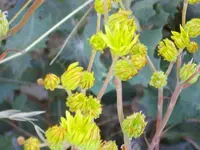
In late spring to early summer it produces upright clusters of star-shaped, bright yellow flowers that rise above the foliage and are highly attractive to bees and other small pollinators in its native range.

Succulent leaves for drought

Its thick, fleshy leaves store water, allowing the plant to survive long dry periods typical of Mediterranean summers with minimal rainfall.

FAQs about Petrosedum amplexicaule

This species spreads slowly to moderately, forming low mats over time. It is not typically aggressive or invasive. Clumps can be divided or edges trimmed if it approaches neighboring plants or overflows its designated area.

Grow Healthy Plants with Botan Care

Keep your plants happy and healthy with plant identification, disease detection, and easy care guidance.

Botan plant care app — identify plants on mobile

Explore More Plants