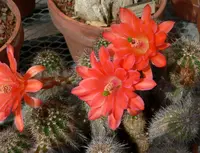
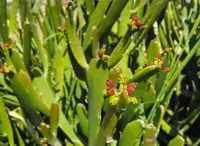
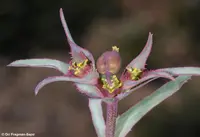
Carrizo Mountain Sandmat Care (Euphorbia pediculifera)

Carrizo Mountain Sandmat

About Carrizo Mountain Sandmat

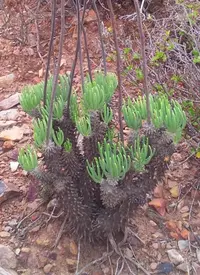
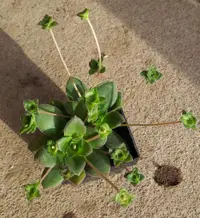
Carrizo Mountain sandmat (Euphorbia pediculifera) is a small, drought-adapted perennial from arid regions of the southwestern United States and northern Mexico. It typically forms low, spreading mats with many slender stems and small leaves close to the ground.

The plant often grows in rocky, open sites with full sun and very well-drained, sandy or gravelly soil. Its tough nature and low water demand make it suitable for dry gardens, but it dislikes heavy, wet substrates.

Gardeners who want to care for Carrizo Mountain Sandmat should focus on providing bright light, good airflow, and minimal watering once established. It is generally low maintenance if kept in conditions similar to its desert habitat.

Main Plant Requirements

Care Difficulty

Easy Care

Light Preference

Full Sun

Water Requirements

Low Water

Temperature Preference

Warm Climate

Hardiness Zone

9–11

Soil Texture

Sandy, Rocky, Loamy

Soil pH

Slightly acidic (6.5–7.0), Slightly alkaline (7.0–7.5)

Soil Drainage

Well-drained

Fertilization

Minimal (feed rarely)

Get Personalized Care Plan

Scan your plant to receive care tips personalized for your specific plant

Available on iOS and Android

How to Care for the Carrizo Mountain Sandmat

This desert euphorbia prefers strong light but benefits from some protection from intense afternoon sun.

  • Provide 6–8 hours of sun daily, with morning sun and light afternoon shade ideal, especially for Carrizo Mountain Sandmat in hot climates.
  • Outdoors, choose an open, unshaded site with reflected light from rocks or gravel, but avoid spots where metal or concrete greatly increase heat on summer afternoons.
  • If stems stretch, lean, or lose dense branching, light is too low; if tips bleach or scar, add shade cloth or move to gentler exposure.

This species is drought-tolerant and prefers infrequent, deep watering over light, frequent splashes.

  • Allow the top 3–5 cm of soil to dry completely before watering, using fast-draining, gritty soil to prevent water from sitting around the roots.
  • In warm active growth, water thoroughly, then let the soil dry; in cooler months, reduce to light, occasional watering just to prevent shriveling.
  • Watch for yellowing, soft or splitting stems as signs of overwatering, and for pronounced wrinkling or limp, thin stems as signs of underwatering in Euphorbia pediculifera.

This plant is adapted to warm, arid regions and dislikes prolonged cold or frost.

  • Optimal growth occurs around 70–90°F (21–32°C), with good tolerance of dry heat if soil is fast-draining and watering is conservative.
  • Protect from frost; brief exposure near 32°F (0°C) may cause tissue damage, and sustained temperatures below 30°F (−1°C) can kill stems or roots.
  • In cooler seasons, keep the plant drier and sheltered from cold winds; in very hot spells above 100°F (38°C), increase airflow and provide partial afternoon shade to limit stress.

This dryland Euphorbia handles low humidity well and rarely needs special moisture in the air.

  • Target 20–40% humidity, similar to typical heated indoor air in arid or temperate homes.
  • Carrizo Mountain Sandmat tolerates very dry air; only adjust humidity if other needs (light, watering) are already correct.
  • If stems shrivel while soil moisture is adequate, briefly increase humidity with a nearby pebble tray, not misting.

This species needs very fast-draining, gritty soil that mimics desert rocky substrates.

  • Use a cactus/succulent mix amended with 30–50% extra mineral material such as coarse sand, pumice, or small grit for sharper drainage.
  • Aim for a lean, sandy or gravelly texture with minimal peat to prevent waterlogging and root rot.
  • Keep pH slightly acidic to neutral (about 6.0–7.2), avoiding strongly acidic mixes rich in undecomposed organic matter.
  • For Euphorbia pediculifera in containers, fill the lower part with coarse mineral layer to enhance aeration and speed water exit.

This species is suitable for container growing when given a stable, fast-drying setup.

  • Choose a wide, low pot that matches its spreading habit and reduces tipping in windy or exposed spots.
  • Use unglazed clay to help excess moisture evaporate faster in cool or humid climates.
  • Elevate the pot on feet or mesh so drainage holes release water freely and do not become clogged by the ground surface.

This desert-adapted species needs very light feeding, so focus on lean, well-drained soil for healthy growth.

  • Use a low-dose balanced NPK succulent or cactus fertilizer at 1/4–1/2 strength during active growth in spring–early summer.
  • Feed no more than once every 6–8 weeks if soil is poor; skip feeding in rich, gritty mixes.
  • Stop fertilizing in fall and winter when growth slows, as excess nutrients can cause weak, etiolated stems.
  • For caring for Carrizo Mountain Sandmat in pots, avoid organic composts that stay wet and favor mineral-based mixes.

Pruning Euphorbia pediculifera is mainly done to remove damage and maintain a compact, safe shape.

  • Best time to prune is late winter to early spring, before strong new growth starts.
  • Remove dead, damaged, or crossing stems with clean, sharp hand pruners to reduce disease risk.
  • Lightly thin crowded areas to keep the plant low, open, and balanced in form.
  • Wear gloves and avoid skin contact with the milky sap when cutting, as it can be irritating.

This species is often grown in the ground, but container plants or young transplants benefit from careful handling.

  • Plan transplanting or repotting in late spring when soils warm and growth is starting.
  • Look for roots circling the pot, slow growth, or quick drying soil as signs a container plant needs more space.
  • Shift to a pot only 2–5 cm wider, using a sharply drained, sandy or gritty mix to limit root disturbance.
  • Handle the root ball gently, keep it at the same depth, water once, then let the soil dry slightly to reduce stress.

Propagation of Euphorbia pediculifera is practical through both seed and stem cuttings under warm, dry conditions.

  • Sow seeds in late spring in a sandy, free-draining mix, keeping them warm with light but not constant moisture.
  • Take short, non-flowering stem cuttings in late spring or early summer using clean, sharp tools.
  • Allow cut surfaces to dry and callus for several days before inserting into barely moist, gritty substrate.
  • Provide bright, indirect light, low humidity, and good air movement to limit rot while roots form.

This plant is adapted to mild, dry winters and has limited frost tolerance, so some protection is helpful in colder areas.

  • In regions below about 25°F, grow in containers so plants can be moved to a bright, frost-free spot for winter.
  • Keep soil on the dry side in cold months, since cold plus wet substrate increases root loss.
  • In-ground plants in marginal climates benefit from a light, gritty mulch around the root zone, avoiding direct stem contact.

Care Tips

Latex-safe handling

Wear gloves and avoid touching your face when pruning or taking cuttings, as the milky latex sap can irritate skin and eyes and should be rinsed off promptly with plenty of water if contact occurs.

Targeted stem support

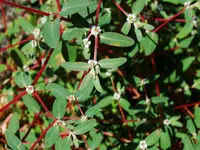
In windy or exposed sites, loosely tie taller, brittle stems to low pegs or rocks with soft garden ties so the plant keeps its prostrate, spreading habit without snapping at the base.

Controlled spread management

Periodically edge the planting area with a hand fork, lifting and removing outer stems that have rooted, to prevent the mat from invading nearby plants or paths while keeping the center dense and healthy.

Stress-tolerant propagation

Take short tip cuttings from firm, non-flowering stems, let the cut ends dry and callus for 2–3 days, then root them in a very gritty medium under bright, dry conditions to create backup plants adapted to your site.

Winter rainfall protection

In regions with cool, wet winters, place a simple clear cover or use a raised, sharply drained bed so excess rain runs off, reducing root rot risk and supporting long-term success in growing Carrizo Mountain Sandmat.

Common Pests and Diseases

Spider mites

This pest thrives on Euphorbia species grown in hot, dry, sheltered conditions and sucks sap from the stems and small leaves, causing fine stippling, dulling, and webbing between joints.

Solution

Increase humidity around the plant, then hose or shower the plant thoroughly to dislodge mites and webbing, making sure to reach stem joints. Follow up with 2–3 applications of insecticidal soap or a light horticultural oil at 7–10 day intervals, and avoid very dry, stagnant air as part of ongoing Euphorbia pediculifera care.

Mealybugs

These insects feed in stem crevices and at the base of leaves, leaving white cottony masses and sticky honeydew that can lead to sooty mold growth.

Solution

Isolate the plant, then dab visible mealybugs with cotton swabs dipped in 70% isopropyl alcohol and wipe affected areas. Repeat weekly and, for heavier infestations, use insecticidal soap on all surfaces while improving light and airflow to reduce reinfestation risk.

Root-knot nematodes

These microscopic worms attack roots in sandy, warm soils, causing galls, stunted growth, poor vigor, and increased drought sensitivity.

Solution

Remove and discard heavily affected plants and avoid replanting Euphorbia in the same exact spot for several years. In the ground, solarize soil where feasible, use resistant or nematode-free companion plants, and maintain moderate but not excessive soil moisture to reduce stress on remaining plants.

Powdery mildew

This disease appears as a white, powdery coating on young stems and leaves, leading to distortion and reduced growth in stressed plants, especially under warm days and cooler, still nights.

Solution

Increase air circulation, avoid overhead watering, and remove heavily infected plant parts. For persistent cases, apply a labeled sulfur or potassium bicarbonate fungicide according to directions, and keep the plant in brighter, drier conditions without crowding to prevent recurrence.

Stem canker

Symptoms include sunken, darkened lesions on stems that may crack, ooze slightly, and cause dieback above the infected area, often following mechanical injury or prolonged wetness.

Solution

Cut out affected stem sections well below the visible lesion using a sterile, sharp tool, and allow cuts to dry and callus in a warm, airy location. Disinfect tools between cuts, avoid wounding the plant, and keep stems dry during cooler weather to reduce new infections.

Interesting Facts

Chihuahuan Desert specialist

This species is naturally restricted to arid regions of the southwestern United States and northern Mexico, where it grows on dry, often rocky slopes and open scrub typical of the Chihuahuan Desert.

Low, mat-forming habit

It forms small, spreading mats close to the ground, which helps reduce water loss and protects the plant from intense desert winds and temperature swings.

Cyathia mimic single flowers

Like other spurges, it produces cyathia, which are specialized flower-like structures that group several tiny male and female flowers; in this species they are very small and often overlooked among the leaves.

FAQs about Carrizo Mountain Sandmat

This species forms low, spreading mats but is not usually aggressive in dry, well-drained sites. It can slowly widen over time. In gardens, simple edging or occasional trimming keeps it within the desired area.

Grow Healthy Plants with Botan Care

Keep your plants happy and healthy with plant identification, disease detection, and easy care guidance.

Botan plant care app — identify plants on mobile

Explore More Plants