Euphorbia schlechtendalii Care

Euphorbia schlechtendalii

About Euphorbia schlechtendalii

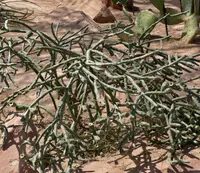
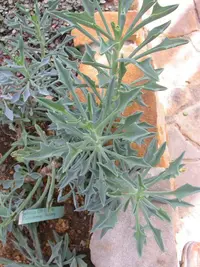
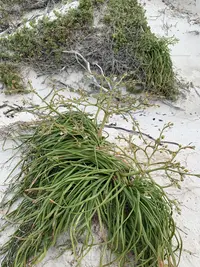
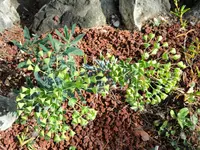
Euphorbia schlechtendalii is a succulent shrub-like euphorbia valued for its thick, fleshy stems and distinctive branching structure. It typically forms a compact, architectural clump that fits well in containers or dry garden beds.

This species is native to arid regions of Mexico, where it grows in rocky, well-drained soils with strong light and seasonal dryness. Its drought tolerance and slow to moderate growth make it relatively low-maintenance for experienced succulent growers.

The plant prefers bright light, low to moderate watering, and gritty, fast-draining soil. Understanding how to care for Euphorbia schlechtendalii mainly involves avoiding overwatering and protecting it from prolonged cold and excessive humidity.

Main Plant Requirements

Care Difficulty

Moderate Care

Light Preference

Partial Sun

Water Requirements

Moderate Water

Temperature Preference

Warm Climate

Hardiness Zone

Unknown

Soil Texture

Sandy, Loamy, Rocky

Soil pH

Slightly acidic (6.5–7.0), Neutral (7.0)

Soil Drainage

Well-drained

Fertilization

Minimal (feed rarely)

Get Personalized Care Plan

Scan your plant to receive care tips personalized for your specific plant

Available on iOS and Android

How to Care for the Euphorbia schlechtendalii

This succulent prefers bright, indirect light with some direct sun but avoids harsh, all-day exposure.

  • Provide 4–6 hours of morning or late-afternoon sun, plus bright, filtered light for the rest of the day, especially in hot climates.
  • Tolerates light partial shade, but growth becomes sparse and stems may stretch if light drops below roughly 3–4 hours of sun daily.
  • Introduce Euphorbia schlechtendalii gradually to stronger sun in spring to reduce sunburn risk, particularly after cloudy periods or indoor overwintering.

Water on a soak-and-dry cycle that respects its drought-tolerant, succulent roots.

  • Allow the top 3–5 cm of soil to dry completely before watering, then water deeply so moisture reaches the full root zone and drains away quickly.
  • Reduce watering sharply in cool seasons; in winter, only water when the soil is dry through at least half the root depth.
  • Watch for yellowing, soft stems as a sign of overwatering and shriveling or wrinkling as a sign that the plant is staying dry too long.

This species prefers warm, stable conditions and does poorly in cold or freezing weather.

  • Aim for 65–85°F (18–29°C) for active growth, with the best vigor toward the middle of this range.
  • Protect from temperatures below 40°F (4°C); brief dips may be tolerated, but frost can damage or kill tissues.
  • In hot spells above 95°F (35°C), provide light shade and good air movement to limit heat stress and tissue scald.

This species tolerates typical indoor humidity and does not need special humidity management.

Euphorbia schlechtendalii prefers a very free-draining, mineral-rich substrate that dries quickly between waterings.

  • Use a gritty mix such as 50–60% cactus/succulent mix with 40–50% pumice, coarse perlite, or 3–5 mm gravel for strong drainage.
  • Aim for slightly acidic to neutral pH, around 6.0–7.0, which supports nutrient availability without stressing the roots.
  • Avoid compact, peat-heavy, or clayey substrates that stay wet, as prolonged saturation promotes root and stem rot.
  • Improve aeration by using coarse, irregular particles rather than fine sand, which can fill air spaces and cause compaction.

This species is very suitable for container growing due to its compact, drought-tolerant root system.

  • Choose a wide, shallow pot to match the relatively shallow roots and keep the plant stable without holding excess wet substrate.
  • Select unglazed terracotta if extra evaporation is needed in cool or low-light spots, as it dries faster than plastic or glazed ceramic.
  • Raise the pot slightly on feet or mesh so drainage holes stay clear and water runs off quickly after every watering for Euphorbia schlechtendalii.

This species is adapted to lean soils, so Euphorbia schlechtendalii needs only light, occasional feeding in cultivation.

  • Use a balanced, low-strength liquid fertilizer (for example 10-10-10) diluted to 25–50% during active growth.
  • Feed every 4–6 weeks in spring and summer if growth appears weak or leaves pale.
  • Avoid compost-rich or heavy organic mixes that hold excess moisture around the roots.
  • Stop feeding in fall and winter when growth slows or the plant is partially dormant.

Pruning Euphorbia schlechtendalii is mainly for health, safety, and maintaining a compact outline.

  • Best time is late winter to early spring, before strong new growth starts.
  • Remove dead, damaged, rubbing, or crossing stems to improve air flow and light penetration.
  • Shorten overly long or leggy shoots to shape the plant and encourage denser branching.
  • Use clean, sharp pruners and wear gloves and eye protection to avoid contact with the irritating sap.

Container-grown Euphorbia schlechtendalii benefits from infrequent but careful repotting or transplanting.

  • Check for roots circling the pot, emerging from drainage holes, or unexplained slow growth as cues to move up a size.
  • Plan repotting for late winter to early spring, every 2–4 years, using a fast-draining cactus or succulent mix.
  • Shift to a pot only 2–5 cm wider to limit excess moisture and reduce transplant shock.
  • Handle the root ball gently, keep roots slightly dry for a few days afterward, then resume light watering once wounds have sealed.

Propagation of Euphorbia schlechtendalii is usually done from stem cuttings taken in the warm season.

  • Take semi-firm stem cuttings in late spring or summer, wearing protection from the milky sap.
  • Allow cut ends to dry and callus for 2–5 days in a shaded, airy place before planting.
  • Insert cuttings into sterile, gritty, barely moist mix and keep at 70–80°F with bright, indirect light.
  • Water sparingly until firm resistance indicates rooting, then gradually transition to normal care.

Winter care for Euphorbia schlechtendalii focuses on avoiding frost damage and excess moisture.

  • In regions with frost, grow in containers and move indoors or to a frost-free greenhouse before temperatures fall below 40°F.
  • Outdoors in mild climates, site in a very well-drained area and keep soil on the dry side in winter.
  • Avoid overhead watering in cold weather to reduce stem rot and fungal problems.
  • Provide the brightest possible light indoors and maintain cool to moderate temperatures around 50–65°F.

Care Tips

Latex-safe handling

Wear disposable gloves and long sleeves when pruning or repotting, and keep paper towels or tissue ready to blot the milky sap immediately so it does not contact skin, eyes, or other plant surfaces.

Controlled branching cuts

If a fuller canopy is desired, make clean cuts just above a node on young, actively growing stems, then allow wounds to dry and callus for several days before watering to reduce infection risk.

Stable container choice

Use a wide, heavy pot rather than a tall, narrow one so the top growth cannot easily tip the plant, especially as stems elongate and gain woody weight over time.

Targeted pest scouting

Inspect narrow stem joints and the undersides of leaves every 1–2 weeks with a hand lens, since mealybugs and spider mites often establish in these sheltered spots before becoming visible to the naked eye.

Seasonal rest adjustment

During the plant’s dry rest period, reduce handling, avoid repotting, and only resume any structural training or shaping once new growth clearly restarts, which supports more predictable results when caring for Euphorbia schlechtendalii.

Common Pests and Diseases

Mealybugs

This pest feeds on sap and hides in leaf axils and along stems, leaving white, cotton-like clusters and causing stunted, distorted growth. Symptoms include sticky honeydew and sooty mold on nearby surfaces.

Solution

Isolate the plant, then dab visible insects with cotton swabs dipped in 70% isopropyl alcohol and repeat weekly until no new clusters appear. Improve light and air movement, and for larger infestations use a systemic insecticide labeled for succulents, following directions carefully.

Spider mites

These insects are tiny sap feeders that thrive in hot, dry indoor conditions, causing fine stippling, dulling of the stems, and very fine webbing in sheltered areas. Symptoms include gradual yellowing and a dusty appearance on affected parts.

Solution

Rinse the plant thoroughly with a strong but controlled stream of lukewarm water, focusing on crevices, and repeat every few days. Increase ambient humidity slightly, improve airflow, and use a targeted miticide or insecticidal soap labeled for spider mites if the population does not decline.

Scale insects

This pest appears as small, rounded or oval brown bumps tightly attached to stems and ribs, feeding on sap and weakening growth. Symptoms include honeydew, sooty mold, and slow decline of affected sections.

Solution

Gently scrape or lift off individual scales with a soft tool or fingernail, then wipe stems with a cloth lightly moistened with 70% isopropyl alcohol. For persistent infestations, apply a systemic insecticide suitable for succulents and monitor new growth regularly as part of general Euphorbia schlechtendalii care.

Corky stem lesions

This disease results in localized brown, corky patches along the green stems, often associated with minor mechanical damage followed by opportunistic fungal or bacterial entry. Symptoms include dry, rough, sunken spots that may slowly enlarge but usually remain localized.

Solution

Remove and discard severely affected stem sections with a sterile blade, making clean cuts into healthy tissue and allowing them to dry and callus. Reduce overhead watering, increase air circulation, and avoid wounding the stems to limit further infections and secondary spread.

Stem canker

This disease causes dark, sunken, sometimes soft areas on stems that can girdle segments and lead to collapse above the infected zone. Symptoms include rapid yellowing or shriveling of sections above the canker and possible oozing from severely affected tissue.

Solution

Cut out the affected segment well below visible damage using a sterile, sharp knife, then allow the remaining healthy stem to dry and callus before replanting if necessary. Disinfect tools between cuts, discard all infected material, and maintain drier, well-ventilated conditions to reduce further infections when caring for Euphorbia schlechtendalii.

Interesting Facts

Endemic Mexican shrub

This species occurs naturally in a limited region of Mexico, where it grows as a shrubby euphorbia in seasonally dry habitats rather than as a typical desert succulent.

Distinctive cyathia structure

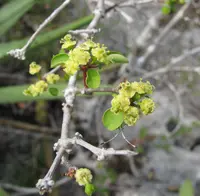
Its small, cup-like inflorescences, called cyathia, group several reduced flowers into a single structure that functions visually as one flower, a diagnostic feature used by botanists to distinguish it from closely related species.

Milky latex defense

Like many euphorbias, it produces a white, latex sap that deters herbivores and seals wounds, but in this species the latex is notably copious when stems are damaged and requires careful handling to avoid skin and eye irritation.

FAQs about Euphorbia schlechtendalii

This species usually performs best outdoors in warm, dry climates that resemble its natural habitat. Euphorbia schlechtendalii indoor care is possible under strong light and careful watering, but growth is slower and flowering may be reduced.

Grow Healthy Plants with Botan Care

Keep your plants happy and healthy with plant identification, disease detection, and easy care guidance.

Botan plant care app — identify plants on mobile

Explore More Plants