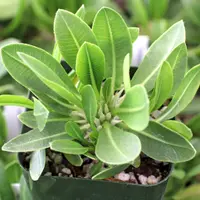
Branch Capespinach Care (Trachyandra divaricata)

Branch Capespinach

About Branch Capespinach

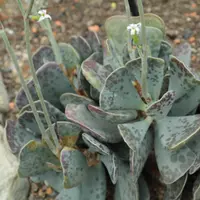
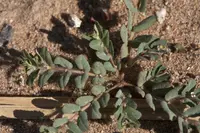
Branch capespinach, Trachyandra divaricata, is a small, clump-forming succulent from coastal regions of South Africa and Namibia. It is grown mainly for its unusual foliage rather than flowers.

The plant produces narrow, often curling leaves from a short base, giving it a textured, sculptural look that suits containers and indoor displays. Growth is relatively slow, and plants stay compact.

This species prefers bright, indirect light, very free-draining sandy soil, and careful watering with long dry intervals. It is somewhat demanding because it dislikes cold, wet conditions and is prone to rot if overwatered. Gardeners who learn how to care for Branch Capespinach often find it long-lived in a stable indoor environment.

Main Plant Requirements

Care Difficulty

Moderate Care

Light Preference

Full Sun

Water Requirements

Low Water

Temperature Preference

Tropical / Frost Sensitive

Hardiness Zone

10–11

Soil Texture

Sandy, Loamy, Rocky

Soil pH

Slightly acidic (6.5–7.0), Neutral (7.0)

Soil Drainage

Well-drained

Fertilization

Minimal (feed rarely)

Get Personalized Care Plan

Scan your plant to receive care tips personalized for your specific plant

Available on iOS and Android

How to Care for the Branch Capespinach

This South African succulent prefers bright, dry conditions with plenty of sun but some protection from harsh extremes.

  • Provide 4–6 hours of direct morning sun plus bright light the rest of the day; in very hot, arid regions, give light afternoon shade to prevent scorch.
  • Branch Capespinach tolerates light partial shade, but stems may stretch and growth slows if it receives less than 4 hours of direct sun.
  • In summer, acclimate outdoor plants gradually when moving into stronger sun; in winter, maximize light exposure to compensate for shorter days and lower angles.

This species stores moisture in its tissues and needs infrequent but thorough watering in fast-draining soil.

  • Water only when the top 3–5 cm of soil are completely dry; in active growth this may mean every 10–21 days, but always check the soil, not the calendar.
  • Ensure gritty, sharply draining soil so water runs through within seconds; prolonged soggy conditions cause root rot, yellowing leaves, and a soft base.
  • Reduce watering in cool seasons, giving just enough to prevent shriveling or limp, folding leaves, which indicate drought stress in Trachyandra divaricata.

This coastal succulent prefers mild, dry warmth and is sensitive to hard frost and prolonged damp cold.

  • Aim for 65–80°F (18–27°C) for best growth; brief spikes to 90°F (32°C) are tolerated if soil is dry and the plant has light airflow and some afternoon shade.
  • Protect from frost; growth stops near 40°F (4°C), and damage occurs below 32°F (0°C), especially in wet conditions or heavy soils.
  • In regions with cold winters, grow it in a movable container outdoors in warm months and shelter it during frosty spells above 40°F (4°C).

This succulent tolerates dry indoor air and rarely needs special humidity management.

  • Ideal humidity is 30–50%, matching most heated or air-conditioned homes.
  • Tolerates drier air but leaf tips may brown or curl slightly under very low humidity.
  • If air is extremely dry, raise humidity locally with a nearby water tray rather than misting Branch Capespinach.

This plant needs very fast-draining, mostly mineral soil that mimics sandy coastal habitats.

  • Use a gritty, sandy mix such as 50–70% coarse sand or grit with the rest cactus mix or lean loam.
  • Aim for slightly acidic to neutral pH, around 6.0–7.0, avoiding strongly alkaline blends unless already adapted locally.
  • Improve drainage and aeration with pumice or perlite rather than peat-heavy products, which hold too much water.
  • Avoid dense, water-retentive mixes and any container situation where water lingers on the surface for more than a few minutes.

This species is well suited to container growing when the pot and drainage are chosen carefully.

  • Select a wide, shallow pot to match the relatively shallow root system and limit water retention in the lower layer.
  • Choose unglazed clay if overwatering is a risk, as it allows moisture to evaporate faster than plastic or glazed ceramic.
  • Place the pot on feet or a stand so drainage holes stay clear and water runs off quickly instead of pooling under the base.

This drought-tolerant succulent needs only light feeding, so focus on lean, infrequent nutrition when caring for Branch Capespinach.

  • Use a balanced liquid fertilizer (around 10-10-10) at 1/4–1/2 strength during active growth in spring–summer.
  • Feed every 4–6 weeks at most, only when the plant is producing new leaves.
  • Choose low-nitrogen succulent or cactus fertilizer if available, avoiding rich composts that stay wet.
  • Stop feeding in fall–winter to match dormancy and reduce risk of root or crown rot.

Pruning Trachyandra divaricata is minimal and mainly keeps the plant tidy and healthy.

  • Best time for light pruning is late winter to early spring, before strong new growth starts.
  • Remove dead, yellowed, or damaged leaves at the base with clean, sharp scissors or snips.
  • Thin out crowded, crossing, or etiolated shoots to maintain the clumping form and airflow.
  • Cut spent flower stalks down near the base once they dry to direct energy back to roots and foliage.

This species grows well slightly root-bound, so repotting is infrequent and should be done with care to reduce stress.

  • Check for roots circling the pot, pushing through drainage holes, or noticeably slowed growth as signs it needs more space.
  • Plan to repot every 2–3 years in late winter or early spring, just before active growth resumes.
  • Choose a shallow, wide pot with excellent drainage and a gritty succulent mix to limit moisture retention.
  • Gently loosen the root ball, trim broken roots, replant at the same depth, then water lightly and keep shaded for 3–5 days.

Propagation of Trachyandra divaricata is usually done on a small scale by division or seeds under controlled conditions.

  • Divide offsets or clumps in late winter–early spring, when repotting, separating sections with healthy roots attached.
  • Allow any cut surfaces to dry and callus for 1–2 days before replanting in a dry, gritty mix.
  • Water sparingly after division, keeping the medium just barely moist until new growth indicates establishment.
  • Sow seeds on the surface of a well-draining mix, provide bright indirect light, and keep slightly moist at 65–75°F for germination.

This plant prefers mild winters and benefits from basic protection in regions with frost or prolonged cold.

  • In the ground, add a 2–5 cm layer of dry, coarse mulch around the root zone, keeping it off the crown.
  • In regions below about 30°F, grow in containers so plants can be moved indoors or into a cool greenhouse.
  • Indoors, place in bright light, reduce watering, and ensure good air circulation to prevent rot.

Care Tips

Rotate For Balance

Rotate the pot 90° every 2–3 weeks so light reaches all sides evenly, which keeps the tufted leaf rosettes upright and prevents the plant from leaning or twisting excessively toward a single light source.

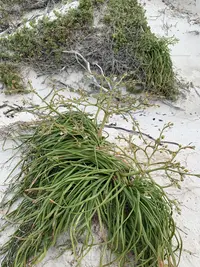
Control Plant Density

If multiple plants share one pot, thin out weak or crowded rosettes with a clean, sharp knife in late winter so each growing point has space and airflow, which reduces rot risk at the leaf bases.

Seasonal Rest Period

In late autumn, gradually reduce watering and avoid repotting or dividing until early spring to respect the plant’s semi-dormant phase and maintain stable energy reserves in the fleshy root system.

Targeted Pest Monitoring

Inspect the tight leaf bases and undersides every 2–3 weeks with a hand lens for early signs of mealybugs or scale, and spot-treat with a cotton swab dipped in isopropyl alcohol before populations build up.

Careful Division Technique

When dividing mature clumps, gently wash away old mix, separate rosettes so each division has several healthy roots, dust cut surfaces with a dry sulfur or cinnamon-based fungicidal powder, and allow them to dry 24 hours before potting to reduce infection risk when growing Branch Capespinach.

Common Pests and Diseases

Aloe mite

This pest forms tiny galls or distorted, swollen growths on leaves and shoots, especially at the base of the rosettes. Symptoms include rough, corky, or blistered patches that slowly spread along affected tissue.

Solution

Remove and discard all visibly distorted leaves and any severely affected plants, cutting well into healthy tissue. Keep the plant in dry, moving air, avoid overhead watering, and use a sulfur-based miticide or a targeted eriophyid mite product on remaining plants, repeating as directed to protect new growth as part of Trachyandra divaricata care.

Mealybugs

These insects appear as white, cottony clumps in leaf bases, along the stems, and on roots in container plants. This pest feeds on sap, causing yellowing, stunted growth, and sticky honeydew that can attract sooty mold.

Solution

Isolate affected plants, then dab visible mealybugs with cotton swabs dipped in 70% isopropyl alcohol and rinse the foliage gently after treatment. For heavier infestations, apply an insecticidal soap or horticultural oil to all leaf surfaces and crevices every 7–10 days until no new insects appear, and reduce excess fertilizer that encourages soft, susceptible growth.

Scale insects

These insects show as small brown or gray bumps tightly attached to leaves and stems, especially on older tissue. This pest weakens plants over time, leading to leaf discoloration and sticky honeydew deposits.

Solution

Gently scrape or rub off individual scales with a soft cloth or fingernail and prune heavily infested parts. Follow with a thorough application of horticultural oil, ensuring good coverage of all stems and leaf bases, and repeat at label intervals while maintaining bright light and low humidity to discourage reinfestation.

Leaf spot

This disease produces small, dry, tan to brown spots on the succulent leaves that may merge into larger patches under prolonged humidity. Symptoms include localized tissue collapse where droplets have sat on the leaf surface for extended periods.

Solution

Remove affected leaves promptly and improve air movement around the plant, keeping foliage as dry as possible by watering only at the soil level. Allow the potting mix to dry well between waterings, avoid crowding, and, if spotting continues, use a broad-spectrum fungicide labeled for succulents according to instructions.

Interesting Facts

Dune specialist succulent

This species is native to coastal sand dunes of South Africa and Namibia, where it stabilizes loose sand with a deep, fibrous root system and tolerates salt-laden winds.

Seasonal growth rhythm

In its natural habitat it grows actively in the cooler, wetter months and can become semi-dormant in hot, dry summer periods, a typical pattern for many winter-rainfall succulents.

Invasive in Australia

Outside its native range it has become an environmental weed in parts of southern Australia, where it spreads in coastal dunes and competes with native vegetation.

Botan icon

Did you know?

The species belongs to the Asphodelaceae family, the same group that includes aloe and some ornamental aloes, but it has evolved a distinct low, tufted habit adapted to wind-blown sand rather than rockier or more mesic habitats.

FAQs about Branch Capespinach

This species adapts very well to containers because of its compact root system and succulent leaves. Use a wide, shallow pot with excellent drainage, gritty mix, and avoid frequent repotting to reduce stress and rot risk.

Grow Healthy Plants with Botan Care

Keep your plants happy and healthy with plant identification, disease detection, and easy care guidance.

Botan plant care app — identify plants on mobile

Explore More Plants