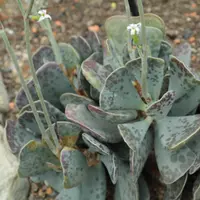
Sawtooth Sandmat Care (Euphorbia serrula)

Sawtooth Sandmat

About Sawtooth Sandmat

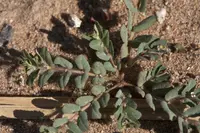
Sawtooth sandmat (Euphorbia serrula) is a low, mat-forming succulent perennial with fine, toothed leaves and small, inconspicuous flowers. It has a compact, spreading habit that can create a dense ground cover in suitable climates.

This species is native to dry, open habitats, where it copes well with strong sun and limited moisture. Its drought tolerance makes it relatively low maintenance once established, but it still needs sharp drainage to avoid root problems.

Light, sandy or rocky soils and moderate watering suit it best, and containers can help control its spread in gardens. Anyone learning how to care for Sawtooth Sandmat should note its preference for dry, well-drained conditions over rich, wet soils.

Main Plant Requirements

Care Difficulty

Easy Care

Light Preference

Full Sun

Water Requirements

Low Water

Temperature Preference

Warm Climate

Hardiness Zone

9–11

Soil Texture

Sandy, Loamy, Rocky

Soil pH

Slightly acidic (6.5–7.0), Neutral (7.0)

Soil Drainage

Well-drained

Fertilization

Minimal (feed rarely)

Get Personalized Care Plan

Scan your plant to receive care tips personalized for your specific plant

Available on iOS and Android

How to Care for the Sawtooth Sandmat

Euphorbia serrula prefers bright, open conditions similar to dry, sunny habitats.

  • Provide 6–8 hours of direct sun daily, ideally strong morning sun with some light afternoon shade in hotter regions.
  • Tolerates light partial shade, but stems may stretch and flowering can decrease if it receives less than 4–5 hours of sun.
  • In very intense summer sun, especially in the Southwest, monitor for leaf scorch and provide thin shade cloth to protect Sawtooth Sandmat at midday.

This species is drought-tolerant and needs infrequent but well-judged watering.

  • Allow the top 3–5 cm of soil to dry fully before watering; in sandy or rocky ground that may mean long gaps between waterings.
  • Use sharply drained soil and sloped or raised sites so water moves away quickly, helping prevent root rot in Euphorbia serrula.
  • In hot, dry periods, watch for shriveling or limp new growth as a cue to water, and reduce watering further in cool or overcast weather.

This plant prefers warm, dry conditions and has limited tolerance to cold and frost.

  • Aim for 65–85°F (18–29°C) during active growth, as stable warmth supports compact stems and healthy root activity.
  • Protect from frost; brief dips to 32°F (0°C) may damage tissues, and prolonged exposure below 30°F (−1°C) can be fatal.
  • In heat above 95°F (35°C), growth may slow, so combine strong light with gritty soil and airflow to avoid combined heat and moisture stress.

This species handles dry household air well and rarely needs special humidity management.

  • Target ambient humidity around 30–50%, which suits its arid-adapted physiology.
  • Dry air is tolerated; issues arise more from excess moisture than from low humidity.
  • If humidity is too high, watch for lingering surface dampness, stem softening, and fungal spotting rather than trying to increase moisture levels.

This plant needs very fast-draining, mineral-based soil to prevent root rot.

  • Use a sandy or gritty mix, such as 60–70% mineral components (coarse sand, pumice, or perlite) blended with 30–40% lean potting substrate.
  • Ensure the structure stays loose and airy so water drains in seconds, not minutes, and the surface dries quickly between waterings.
  • Aim for slightly acidic to neutral pH around 6.0–7.0, avoiding strongly acidic or high-peat mixes that stay wet and compact.
  • For Euphorbia serrula outdoors, avoid heavy clay; if unavoidable, grow in raised beds or mounds heavily amended with grit to improve aeration.

This species is suitable for container growing when drainage and stability are carefully managed.

  • Choose a low, wide pot to accommodate its spreading habit and reduce the risk of tipping in wind or accidental bumps.
  • Use an unglazed terracotta pot if possible, as it allows moisture to evaporate faster from the root zone.
  • Raise the pot on feet or bricks so drainage holes stay clear and runoff moves away quickly, preventing prolonged wet contact under the base.

This drought-tolerant species needs only modest feeding to stay healthy in cultivation.

  • Use a light application of balanced NPK granular or slow-release fertilizer in early spring for potted or intensively grown Sawtooth Sandmat.
  • Feed once more in midsummer if growth is pale or weak, avoiding high-nitrogen lawn products.
  • Apply at 1/2–1/4 the label rate and water in well to limit root burn risk.
  • Skip feeding in late fall and winter when growth is minimal or dormant.

Pruning Euphorbia serrula is mainly done to maintain a compact, healthy framework.

  • Carry out structural pruning in late winter or early spring before strong new growth begins.
  • Remove dead, damaged, or crossing stems first, then thin crowded shoots to improve light and airflow.
  • Shorten overly long stems to shape the plant and encourage denser branching.
  • Use clean, sharp pruners and avoid skin contact with the milky sap, which can be irritating.

This species is usually grown in the ground, but container plants or young transplants benefit from occasional root care.

  • Check for roots circling the pot base, slow growth, or frequent drying as signs repotting or planting out is needed.
  • Plan transplanting for spring or early summer, about every 2–3 years for container-grown plants.
  • Lift the plant gently, loosen the outer root layer, and set it in free-draining, gritty soil at the same depth.
  • Water thoroughly once, then keep soil slightly moist but not wet for 1–2 weeks to reduce root stress.

Euphorbia serrula is most often propagated from cuttings or seed under controlled conditions.

  • Take non-flowering stem cuttings in late spring or early summer, allowing the milky sap to dry and callus before planting.
  • Insert cuttings in a gritty, sharply draining mix and keep at 65–75°F with bright, indirect light.
  • Sow fresh seed on the surface of a well-draining medium and keep lightly moist until germination.
  • Provide good air circulation and avoid overwatering to minimize rot during rooting or seedling growth.

This species is fairly cold tolerant in suitable climates, but young or container plants benefit from simple winter precautions.

  • In colder regions, add a 5–8 cm layer of mulch around the root zone, keeping it away from stems.
  • Avoid waterlogged soils in winter by ensuring excellent drainage, especially in heavy or compacted ground.
  • Move container plants under cover or into a cold, bright indoor spot if repeated hard frosts are expected.

Care Tips

Safe sap handling

Wear gloves and avoid touching your eyes or mouth when pruning or repotting, as the milky latex sap is irritating; rinse skin with plenty of water if contact occurs.

Controlled spreading

Limit unwanted spread by lifting and thinning outer stems each spring, replanting only the healthiest pieces and discarding any that are weak or damaged to keep the clump compact and manageable.

Targeted pest checks

Inspect stem joints and the undersides of leaves every few weeks for mealybugs or spider mites, and treat early with a cotton swab dipped in isopropyl alcohol before considering broader pesticide use.

Slope and rock use

On outdoor sites, establish plants on slight slopes or in rock crevices so excess water drains away from the crown, which reduces the risk of rot when growing Sawtooth Sandmat in wetter climates.

Drought training

After the plant is established, gradually extend the time between waterings over several months to encourage deeper root growth and improve resilience to short dry spells.

Common Pests and Diseases

Spider mites

This pest often appears on stressed plants grown in hot, dry, bright conditions and may cause fine webbing and tiny pale speckles on stems and leaves.

Solution

Rinse the plant thoroughly with a firm stream of water, then increase ambient humidity slightly and lower heat stress; if mites persist, treat the stems and surrounding soil surface with repeated applications of insecticidal soap or a light horticultural oil, applied in the early morning and kept off any latex sap cuts.

Mealybugs

These insects hide in stem joints and along ridges, appearing as white cottony clusters that stunt growth and cause honeydew deposits.

Solution

Isolate the plant, remove visible clusters with a cotton swab dipped in 70% isopropyl alcohol, then follow up with insecticidal soap on all stems weekly for several cycles, checking especially along the sawtooth margins and at the stem base.

Aphids

These insects may colonize tender new growth, leading to distorted shoots, sticky honeydew, and sometimes sooty mold on nearby surfaces.

Solution

Dislodge colonies with a strong water spray, then use insecticidal soap on young stems and undersides of new growth every 5–7 days until no new aphids appear; avoid overfertilizing, as lush, soft growth is more attractive to aphids and complicates Euphorbia serrula care instructions.

Powdery mildew

This disease shows up as a thin white or gray powdery film on stems and nearby surfaces when air is stagnant and humidity fluctuates around the plant canopy.

Solution

Improve airflow around the plant, avoid overhead misting, and remove heavily affected parts; for persistent cases, apply a sulfur-based or potassium bicarbonate fungicide labeled for ornamentals, ensuring no fresh latex wounds are treated until dry.

Interesting Facts

Native desert specialist

This species is naturally restricted to arid regions of the southwestern United States and northern Mexico, where it grows in rocky, sandy soils and open desert scrub, indicating strong adaptation to intense light and low water availability.

Distinctive sawtooth leaves

The common name sawtooth sandmat refers to its narrow leaves with finely toothed or serrated margins, which help distinguish it from many other small, mat-forming Euphorbia species with more uniformly smooth leaf edges.

Toxic milky latex

Like many Euphorbia species, it produces a white latex sap that is irritating or toxic if ingested and can cause skin and eye irritation, serving as a chemical defense against herbivores and careless handling.

FAQs about Sawtooth Sandmat

This species forms low, mat-like patches but is not usually aggressively spreading in managed gardens. It enlarges slowly by short stems and self-seeding. Occasional thinning or edging controls its spread where space is limited.

Grow Healthy Plants with Botan Care

Keep your plants happy and healthy with plant identification, disease detection, and easy care guidance.

Botan plant care app — identify plants on mobile

Explore More Plants