Controlled trailing habit
Pinch back the tips of young stems in early spring to encourage branching and create a denser, more compact mat instead of long, straggly runners.

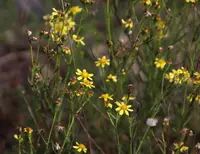
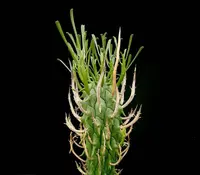
Kill ragwort, botanically known as Senecio burchellii, is a small, shrubby succulent from arid regions of South Africa. It forms branching, woody stems with narrow, fleshy leaves and often grows in a compact, irregular mound.
The plant has a drought-tolerant habit and stores water in its tissues, which makes it relatively forgiving if watering is occasional rather than frequent. Its main challenge is sensitivity to excess moisture and poorly draining soil.
It suits bright, dry conditions and does best in gritty, fast-draining mixes. Those learning how to care for Kill Ragwort benefit from understanding that light, airflow, and restraint with watering are more important than frequent feeding or pruning.

Care Difficulty
Easy Care

Light Preference
Full Sun

Water Requirements
Low Water

Temperature Preference
Warm Climate

Hardiness Zone
9–11

Soil Texture
Sandy, Loamy, Rocky

Soil pH
Slightly acidic (6.5–7.0), Neutral (7.0)

Soil Drainage
Well-drained

Fertilization
Minimal (feed rarely)
Scan your plant to receive care tips personalized for your specific plant
Available on iOS and Android
Senecio burchellii prefers bright, dry conditions similar to its native habitat.
This species is a drought-tolerant succulent that needs infrequent but thorough watering.
This plant prefers warm, dry conditions and does poorly in cold, wet climates.
This succulent tolerates a wide humidity range and usually does well in typical indoor air.
Senecio burchellii prefers a very free-draining, mineral-lean substrate to prevent root rot.
This species is well suited to container growing due to its compact, shrubby succulent habit.
Senecio burchellii grows well with modest feeding that supports steady, not lush, growth.
Senecio burchellii responds well to light structural pruning that maintains a compact, healthy form.
Container-grown plants benefit from occasional repotting to refresh the root zone and maintain vigor.
This species is commonly multiplied from cuttings, which root reliably under suitable conditions.
This plant dislikes prolonged freezing and needs basic winter protection in colder climates.

Plant Health Check
Not sure what's wrong with your plant? Check your plant's health inside the app.
This species is naturally restricted to South Africa, where it grows on rocky slopes and dry hillsides in the Western and Eastern Cape rather than in forests or wetlands.
Its small leaves are covered with fine hairs that give a grey to silvery appearance and help reduce water loss and reflect intense sunlight in its native habitat.
The plant forms a small, woody-based subshrub that tends to be relatively short-lived in cultivation compared with many other ornamental succulents, so clump renewal by cuttings is often useful in long-term Senecio burchellii plant care.
This species usually flowers once mature, often after a few seasons. Lack of blooms commonly relates to insufficient light, nutrient imbalance, or stress from recent repotting or pruning. Stable conditions over time encourage normal flowering.
Keep your plants happy and healthy with plant identification, disease detection, and easy care guidance.