Euphorbia squamigera Care

Euphorbia squamigera

About Euphorbia squamigera

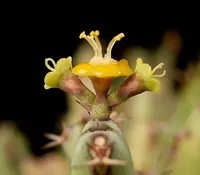
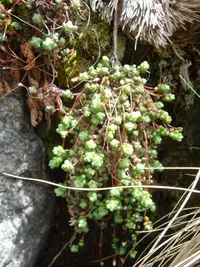
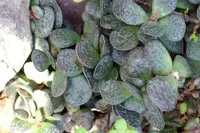
Euphorbia squamigera is a shrubby succulent spurges species, valued for its dense branching and distinctive, often scaly-looking stems. It forms compact clumps that give a structured, architectural look in containers or dry garden plantings.

This species is native to arid and semi-arid regions, where it has adapted to strong light and low, infrequent rainfall. These adaptations make it relatively undemanding, provided excess moisture is avoided.

Gardeners who want to care for Euphorbia squamigera should focus on bright light, sharply draining soil, and careful watering. Under these conditions it generally grows steadily and remains low maintenance for both indoor and outdoor collections.

Main Plant Requirements

Care Difficulty

Moderate Care

Light Preference

Full Sun

Water Requirements

Low Water

Temperature Preference

Warm Climate

Hardiness Zone

Unknown

Soil Texture

Sandy, Loamy, Rocky

Soil pH

Slightly acidic (6.5–7.0), Neutral (7.0)

Soil Drainage

Well-drained

Fertilization

Minimal (feed rarely)

Get Personalized Care Plan

Scan your plant to receive care tips personalized for your specific plant

Available on iOS and Android

How to Care for the Euphorbia squamigera

This drought-tolerant shrub prefers bright, open conditions similar to its native habitat.

  • Provide 6–8 hours of direct sun daily; in hot, dry regions, give morning sun with light afternoon shade to reduce stress on leaves and stems.
  • Tolerates light or partial shade (3–4 hours sun), but shoots may stretch and flowering can decrease if light is much lower.
  • In very intense summer sun, especially on reflective sites, monitor for leaf scorch and consider light shade cloth or nearby plants to filter midday rays.

Watering should mimic arid conditions, with thorough soaking followed by a dry period.

  • Allow the top 3–5 cm of soil to dry fully before watering, then water deeply so moisture reaches the root zone, avoiding frequent light splashes.
  • In spring and summer, check soil every 7–14 days depending on heat and wind; in cooler months, extend intervals and water only when dryness is clear.
  • Ensure very sharp drainage; symptoms of overwatering include yellowing, soft stems, and root rot odor, while shriveling or limp, wrinkled stems signal prolonged drought.

This species prefers warm, dry conditions and does not tolerate prolonged cold or frost.

  • Aim for 70–85°F (21–29°C) during active growth, with low to moderate humidity; brief peaks to 90–95°F (32–35°C) are acceptable if soil is not waterlogged.
  • Protect from temperatures below 40°F (4°C); light, short dips may be survived, but true frost can scar tissue or kill young growth.
  • In cooler climates, position plants in the warmest, most sheltered microclimate and avoid low spots where cold air settles, especially in late autumn and early spring.

This species tolerates typical indoor humidity and usually does not need special adjustments.

  • Aim for 30–50% relative humidity, similar to most heated or air‑conditioned homes.
  • Dry air is usually acceptable, but very hot, drafty spots can increase water loss and scorch risk.
  • Humidity stress shows as shriveling, dull stems, and slow growth; increase local humidity slightly by grouping plants, not by misting.

Euphorbia squamigera prefers a very free‑draining, mineral‑lean mix that dries quickly between waterings.

  • Use a gritty mix, such as 50–70% inorganic materials (pumice, coarse sand, or small gravel) blended with 30–50% cactus potting mix.
  • Ensure rapid drainage; water should exit the pot in seconds, not pool on the surface or in the saucer.
  • Keep pH slightly acidic to neutral, around 6.0–7.0, which suits most commercial cactus or succulent mixes.
  • Avoid peat‑heavy, compact, or moisture‑retentive mixes that stay wet for days, as these promote root rot in this species.

This species is well suited to container growing when drainage and stability are carefully managed.

  • Choose a wide, low pot that resists tipping, since the branching stems can make the plant top‑heavy as it matures.
  • Select unglazed clay to let the mix dry faster, which helps prevent root rot in dense or humid environments.
  • Leave a dry top layer of coarse grit or stones on the surface to reduce stem rot where shoots meet the substrate.

This drought-adapted succulent needs only light feeding, so focus on modest nutrients during active growth.

  • Apply a balanced, low-nitrogen NPK fertilizer at half strength once every 4–6 weeks in spring–summer for Euphorbia squamigera.
  • Use a liquid or slow-release product formulated for cacti and succulents, avoiding rich composts that stay wet.
  • Water before feeding to prevent root burn and apply only to moist, well-drained soil.
  • Stop fertilizing in fall and winter when growth slows or stops.

This plant needs minimal pruning, mainly to maintain a clean, safe shape and remove damaged tissue.

  • Best time for pruning Euphorbia squamigera is late winter to early spring, before strong new growth.
  • Remove dead, diseased, crossing, or badly damaged stems with sharp, disinfected pruners.
  • Wear gloves and eye protection, cutting just above a node and avoiding contact with the milky sap.
  • Light shaping improves structure and air flow but heavy cutting is rarely necessary.

This Euphorbia prefers staying slightly pot-bound, so repot or transplant only when clearly necessary.

  • Check for roots circling the pot, pushing through drainage holes, or very slow growth as signs it needs more space.
  • Plan repotting or transplanting in spring, every 3–4 years for containers or when clumps outgrow their space in the ground.
  • Choose a shallow, wide container and very free-draining gritty mix to limit water retention and root rot risk.
  • Handle roots gently, keep the original soil mass intact, and withhold water for 2–3 days after moving to let any wounds dry.

New plants are most often produced from stem cuttings, though seeds are also possible with more time and care.

  • Take 7–10 cm semiripe stem cuttings in late spring–summer from healthy Euphorbia squamigera growth.
  • Wear gloves, cut with sterile tools, and allow milky sap to dry and callus for 2–3 days in shade.
  • Insert cuttings into a fast-draining cactus mix, keeping soil barely moist and temperatures around 70–80°F.
  • Sow seeds on the surface of similar gritty mix, provide bright light, and maintain lightly moist but never wet conditions.

This species is fairly cold tolerant in mild climates but benefits from simple winter precautions in colder regions.

  • Mature plants in the ground tolerate light frosts, but prolonged freezes below about 20°F may damage stems.
  • Add a 5–8 cm dry mulch around, not against, the base to buffer root temperatures in exposed sites.
  • For container plants, move pots into a cold, bright, frost-free spot and keep soil almost dry through winter.
  • Brush off heavy snow or ice from stems to limit breakage.

Care Tips

Handle sap safely

Always wear disposable gloves and avoid touching your face or eyes when cutting or repotting, then rinse tools and any sap contact areas with soapy water to reduce irritation from the toxic latex.

Root zone control

Use a narrow, heavy pot with drainage and add a top layer of coarse grit or small stones to keep the root collar dry and stable, which reduces rot risk and supports the clumping stems.

Dormancy adjustment

Reduce watering and stop fertilizing in the cooler, low‑light season when growth slows, then resume normal care only after clear new growth appears to match the plant’s natural rest cycle.

Targeted pest checks

Inspect closely between stem joints and along the lower sides of stems every few weeks, using a cotton swab dipped in 70% isopropyl alcohol to spot-treat any mealybugs or scale before they spread.

Propagation planning

Take stem cuttings only from firm, non-shriveled shoots, let the cut ends dry and callus for several days in a shaded, airy place, then insert them into a barely moist, gritty mix to improve success when growing Euphorbia squamigera.

Common Pests and Diseases

Spider mites

This pest often appears in hot, dry conditions and causes fine stippling, pale patches, and thin webbing on stems and leaves. Symptoms include slowed growth and a dull, dusty look to the plant surface.

Solution

Increase humidity around the plant, then hose or shower the stems thoroughly to dislodge mites, making sure to avoid splashing the caustic sap. Follow with repeated applications of insecticidal soap or a light horticultural oil, treating all plant surfaces and nearby plants every 7–10 days until no new damage appears.

Mealybugs

These insects form small white cottony clusters in stem joints, on tender new growth, and around the base of the plant. This pest feeds on plant sap and can cause distortion, yellowing, and sticky honeydew on surfaces.

Solution

Isolate the plant, then dab visible mealybugs with cotton swabs dipped in 70% isopropyl alcohol, taking care not to break stems and release sap. After physical removal, use insecticidal soap or systemic granules labeled for succulents, and repeat inspection and spot treatment weekly until no new insects are seen.

Scale insects

These insects appear as small brown, gray, or tan bumps tightly attached to stems and leaf bases, often blending with the rough surface of the plant. This pest extracts sap and can lead to gradual yellowing, weak growth, and sooty mold on honeydew deposits.

Solution

Gently scrape or rub off individual scales with a gloved finger or soft brush, then treat all stems with insecticidal soap or a light horticultural oil, coating the insects thoroughly. In heavier infestations, use a systemic insecticide suitable for succulents and repeat treatments every 2–3 weeks through at least one full life cycle.

Powdery mildew

This disease causes a thin, white, powdery coating on stems and any leaf-like structures, especially under warm days and cool nights with poor airflow. Symptoms include dull, distorted growth and slower vigor over time.

Solution

Improve air circulation by spacing plants, avoiding overhead watering, and reducing excess shade. Remove heavily affected parts with clean tools, then apply a sulfur-based or other labeled fungicide for powdery mildew, repeating according to label directions until new growth stays clean.

Stem canker

This disease produces sunken, dark, or corky lesions on segments, sometimes cracking and girdling stems so that upper parts shrivel or detach. Symptoms include localized yellowing above the lesion and sudden collapse of affected sections.

Solution

Cut out infected stem segments well into healthy tissue using sterilized tools, and dispose of all diseased material in the trash. Allow cut surfaces to dry and callus in bright, dry conditions, then adjust watering and substrate to stay sharply drained, and avoid wounding stems to reduce future infection risk while following general Euphorbia squamigera care instructions.

Interesting Facts

Somalia limestone specialist

This species is native to limestone outcrops in northern Somalia, where it grows in shallow, rocky soils with very high drainage and intense sunlight.

Unusual squamate stems

The name squamigera refers to its distinctive scale-like ridges on the stems, which give the plant a textured, segmented appearance rather than a smooth cactus-like surface.

Toxic milky latex

Like other members of Euphorbia, it produces a white latex sap that is irritant and potentially harmful to skin and eyes, so any pruning or handling that breaks tissue should be done with care and protection.

FAQs about Euphorbia squamigera

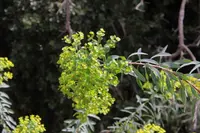
This species produces nectar-rich cyathia, which can attract small bees, hoverflies, and some butterflies. Flowering performance and pollinator visits increase when the plant is grown in open, sunny, low-competition sites with minimal pesticide use.

Grow Healthy Plants with Botan Care

Keep your plants happy and healthy with plant identification, disease detection, and easy care guidance.

Botan plant care app — identify plants on mobile

Explore More Plants