Sedum aetnense Care

About Sedum aetnense

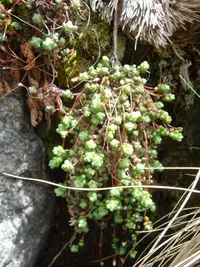
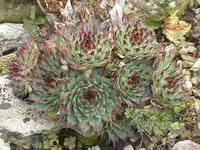
Sedum aetnense is a low-growing, mat-forming succulent herb. It belongs to the stonecrop group, known for fleshy leaves that store water. Dense clusters of small, rounded leaves create a tight cushion of foliage, often bright green and sometimes flushed with warmer tones in strong light. In season, it can produce small star-shaped flowers that add subtle interest. This species is native to rocky, well-drained habitats around Mount Etna in Sicily, where it copes with sun, wind, and limited moisture. Its drought tolerance and compact habit generally make it straightforward to care for Sedum aetnense, as long as it receives good light and sharply draining soil.

Main Plant Requirements

Care Difficulty

Easy Care

Light Preference

Full Sun

Water Requirements

Low Water

Temperature Preference

Cold Hardy

Hardiness Zone

5–9

Soil Texture

Sandy, Loamy, Rocky

Soil pH

Slightly acidic (6.5–7.0), Neutral (7.0)

Soil Drainage

Well-drained

Fertilization

Minimal (feed rarely)

Get Personalized Care Plan

Scan your plant to receive care tips personalized for your specific plant

Available on iOS and Android

How to Care for the Sedum aetnense

This low-growing succulent needs strong light to stay compact and maintain healthy color.

  • Provide 6–8 hours of direct sun daily; morning sun with light afternoon shade is ideal, especially in hot summer climates.
  • Sedum aetnense tolerates light partial shade, but stems may elongate and foliage may dull if it receives under 4–5 hours of sun.
  • In very intense afternoon sun, especially during heatwaves, use light shade (shade cloth or nearby plants) to limit leaf scorch and moisture stress.

This species prefers dry, fast-draining conditions and is sensitive to excess moisture.

  • Allow soil to dry fully through at least the top 5–8 cm before watering; use well-drained, gritty soil to prevent standing water around roots.
  • Water based on conditions: more often during active growth in warm weather, much less in cool seasons when growth slows.
  • Watch for signs: overwatering causes soft, translucent, yellowing leaves and possible stem rot; underwatering causes wrinkled, deflated leaves that regain firmness after a deep soak.

This hardy succulent tolerates a wide temperature range but grows best in moderate warmth.

  • Optimal growing temperatures are about 60–75°F (16–24°C), with good airflow and dry foliage at night to limit fungal issues.
  • The plant usually survives down to about 0°F (−18°C) in well-drained soil; prolonged freeze in waterlogged ground increases root loss risk.
  • In hot spells above 90°F (32°C), growth may slow; provide light afternoon shade and avoid overhead watering during peak heat to reduce stress.

This species is highly tolerant of dry air and humidity is rarely a limiting factor.

This succulent requires mineral, sharply drained soil to prevent root rot.

  • Use a gritty, sandy mix such as 50–70% coarse sand or fine gravel blended with cactus potting mix.
  • Aim for slightly alkaline to neutral pH around 7.0–7.8, which suits Sedum aetnense in rocky habitats.
  • Improve drainage and aeration by adding pumice or perlite rather than water-retentive compost or peat.
  • Avoid dense, clay-heavy, or compacted soils that stay wet longer than 1 day after thorough watering.

This species is well suited to container growing, especially in shallow, fast-draining pots.

  • Choose a wide, shallow container to match the shallow root system and spreading growth habit.
  • Select unglazed terracotta if extra moisture loss is needed in rainy or humid climates.
  • Raise the pot slightly on feet or bricks so drainage holes stay clear and runoff water does not pool under the container.

This alpine stonecrop stays compact and healthy with very light feeding in lean, well-drained soil.

  • Use a low-dose balanced NPK fertilizer or a thin layer of compost in spring for Sedum aetnense.
  • Feed once at the start of active growth; containers can receive a second light dose in mid-summer.
  • Dilute liquid fertilizer to 1/4–1/2 strength to avoid soft, weak growth.
  • Do not fertilize in winter or dormancy, as excess nutrients increase rot risk.

Pruning helps keep Sedum aetnense dense, tidy, and free of dead material.

  • Best time to prune is early spring, before strong new growth, or after flowering flushes.
  • Snip off dead, damaged, or leggy stems to maintain a low, compact mound.
  • Shear back lightly with clean scissors or hand pruners, avoiding cutting into very old woody bases.
  • Remove spent flower stalks to refresh appearance and direct energy to foliage and root health.

This low mat-forming sedum rarely needs frequent repotting but benefits from timely transplanting in containers or rock gardens.

  • Repot or transplant when roots circle the pot, soil dries extremely fast, or growth becomes sparse in the center.
  • Plan moves for spring or early fall, when temperatures are mild and moisture is more even.
  • Typically shift containers every 2–3 years into a shallow pot with gritty, fast-draining mix.
  • Lift gently, tease roots lightly, replant at the same depth, and water once, then let soil dry well to limit stress.

Sedum aetnense is commonly multiplied by stem cuttings and division, with seeds used less often.

  • Take short stem cuttings or divide clumps in spring to early summer for fastest establishment.
  • Let cuttings callus for 1–2 days, then place on or barely in a gritty, barely moist mix.
  • Keep in bright, indirect light and avoid overwatering; roots usually form within a few weeks.
  • For seeds, sow on the surface of well-drained soil, keep slightly moist, and provide bright light and mild warmth.

This hardy sedum usually needs minimal winter care in temperate climates.

  • The plant tolerates light to moderate frost when grown in sharply drained soil.
  • Apply a thin gravel or stone mulch around crowns to keep stems dry and reduce freeze–thaw heaving.
  • Move small containers to a sheltered, unheated spot to avoid waterlogged, frozen soil that can damage roots.

Care Tips

Rocky crevice planting

Tuck plants into shallow gaps between stones or in rock walls so excess water drains quickly and roots anchor firmly, which closely mimics their natural volcanic habitat.

Targeted offset division

In late spring, lift and separate only the strongest, well-rooted offsets and replant them at the same depth to renew dense mats without stressing the entire planting.

Winter wet protection

In regions with cold, wet winters, use a simple clear rain shield or plant on a south-facing slope to reduce prolonged soil saturation that can cause root loss even in hardy sedums.

Low-nitrogen companion choice

Plant beside other drought-tolerant, low-fertilizer species like thyme or saxifrage to avoid heavy feeding regimes that would otherwise make stems weak and floppy.

Sparse mulch strategy

If mulch is needed, use a thin layer of coarse gravel around, not on top of, the crowns to suppress weeds while keeping stems dry and reducing rot risk when growing Sedum aetnense.

Common Pests and Diseases

Aphids

This pest feeds on tender new growth and flower stems, sucking sap and causing distortion, sticky honeydew, and sometimes sooty mold on the foliage.

Solution

Rinse colonies off the plant with a firm stream of water, then spot-treat remaining clusters with insecticidal soap or a ready-to-use neem oil spray, repeating weekly until under control and avoiding treatments during strong sun or high heat.

Mealybugs

These insects appear as small white cottony clusters in stem joints and along stems, weakening the plant by feeding on sap and sometimes causing leaf yellowing and stunting.

Solution

Isolate affected plants, dab visible mealybugs with cotton swabs dipped in 70% isopropyl alcohol, then follow with 2–3 applications of insecticidal soap or neem oil at 7–10 day intervals while also reducing excess nitrogen fertilization that promotes soft, susceptible growth.

Spider mites

This pest is most common in hot, dry conditions and causes fine stippling on leaves, dulling of foliage color, and sometimes very fine webbing between stems and leaves.

Solution

Increase local humidity around the plant, hose off foliage to remove mites and webbing, then apply insecticidal soap or a horticultural oil spray to all leaf surfaces, repeating several times and reducing heat and drought stress where possible.

Leaf spot

This disease produces small brown or black spots on succulent leaves, often with a yellow halo, which can merge into larger patches and cause premature leaf drop, especially under prolonged wet conditions.

Solution

Remove and discard affected leaves, improve air circulation, avoid overhead watering that wets the foliage, and if spotting progresses, apply a labeled copper-based or other fungicide suitable for succulents, following timing and dosage on the product label as part of broader Sedum aetnense care.

Interesting Facts

Etna volcanic specialist

This species is native to the slopes of Mount Etna in Sicily, where it grows naturally on volcanic rocks and lava flows, tolerating intense sun, wind, and poor, mineral-rich substrates.

Ultra-low cushion habit

Sedum aetnense forms very low, dense cushions that hug the ground, a growth form that helps it resist strong mountain winds and reduce water loss in its exposed habitat.

Cold-hardy mountain succulent

Despite being a succulent, it is adapted to high-elevation conditions on Mount Etna and can tolerate significant cold compared with many other Sedum species, as long as the soil is sharply drained.

FAQs about Sedum aetnense

This species forms low mats and slowly expands outward, but it is not considered aggressive. It spreads by short stems and self-seeding in favorable spots, usually staying easy to contain with light edging or occasional thinning.

Grow Healthy Plants with Botan Care

Keep your plants happy and healthy with plant identification, disease detection, and easy care guidance.

Botan plant care app — identify plants on mobile

Explore More Plants