Senecio callosus Care

Senecio callosus

About Senecio callosus

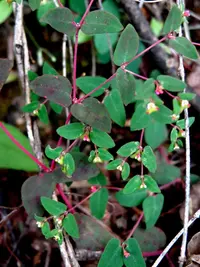
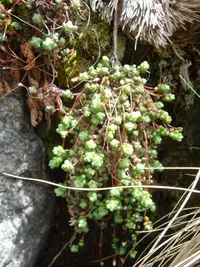
Senecio callosus is a small, clump-forming succulent from arid regions of South Africa. It grows low to the ground with thick, fleshy leaves that store water. Leaves are usually smooth and rounded, often forming dense mats over time. In season, it can produce small, daisy-like flower heads on short stems. This species is adapted to bright, dry conditions and benefits from strong light and excellent drainage. Its drought tolerance makes it suitable for rock gardens, containers, and indoor windowsills in dry homes. Understanding how to care for Senecio callosus is mostly about avoiding overwatering and providing enough light.

Main Plant Requirements

Care Difficulty

Easy Care

Light Preference

Full Sun

Water Requirements

Low Water

Temperature Preference

Tropical / Frost Sensitive

Hardiness Zone

10–11

Soil Texture

Sandy, Loamy, Rocky

Soil pH

Slightly acidic (6.5–7.0), Neutral (7.0)

Soil Drainage

Well-drained

Fertilization

Minimal (feed rarely)

Get Personalized Care Plan

Scan your plant to receive care tips personalized for your specific plant

Available on iOS and Android

How to Care for the Senecio callosus

This compact succulent thrives in bright, sunny positions with some protection from extreme midday exposure.

  • Provide 4–6 hours of direct morning sun plus bright light the rest of the day; light afternoon shade in hot climates reduces leaf scorch.
  • Outdoors, plant in an open spot with unshaded eastern exposure; indoors, place near a south- or east-facing window for reliable light intensity.
  • If stems stretch or leaves pale, increase light; if leaves bleach, crisp, or develop brown edges, reduce harsh midday sun or add light filtering.

Watering should imitate short, infrequent desert rains with fast drainage and thorough drying between soakings.

  • Allow the top 3–5 cm of soil to dry completely before watering; in warm active growth this may mean watering every 7–14 days, less often in cool seasons.
  • Use a sharply draining, gritty mix and water deeply until excess runs out, then discard runoff so roots do not sit in stagnant moisture.
  • Yellowing, soft or translucent leaves indicate overwatering and possible rot, while wrinkling or limp, thin leaves signal the need for a deep drink.

This species prefers warm, dry conditions and is sensitive to frost and prolonged cold.

  • Aim for 65–80°F (18–27°C) for steady growth, with slightly cooler nights improving resilience and reducing stress.
  • Protect from temperatures below 40°F (4°C); brief exposure may be tolerated, but hard frost around 32°F (0°C) can damage or kill tissue.
  • In summer heat above 90°F (32°C), increase airflow and provide light afternoon shade to limit leaf scorch and reduce heat stress on roots.

This succulent handles typical indoor humidity well and rarely needs special adjustment.

  • Aim for 30–50% humidity, similar to most heated or air-conditioned homes.
  • Dry air is tolerated, but very hot, drafty spots can cause leaf shriveling and faster soil drying.
  • If leaves wrinkle despite proper watering, move the plant away from strong drafts or vents rather than adding extra humidity.

Senecio callosus prefers a sharply draining, gritty substrate that prevents waterlogging around its roots.

  • Use a cactus/succulent mix amended with 20–40% extra mineral grit such as coarse sand, perlite, or pumice for faster drainage.
  • Aim for a slightly acidic to neutral pH around 6.0–7.0, which suits most commercial succulent substrates.
  • Create a loose, open structure by avoiding heavy compost or fine peat layers that compact and hold water around the roots.
  • Avoid dense, clay-like garden soil in containers, as poor aeration and slow drainage greatly increase the risk of root rot.

This species is well suited to container growing due to its compact, succulent habit.

  • Select a shallow, wide pot so the branching roots can spread while excess mix does not stay wet in depth.
  • Choose unglazed terracotta if extra evaporation is needed in cool or low-light positions to reduce moisture retention.
  • Place the container where it cannot tip easily, since trailing or sprawling stems can make the plant unevenly weighted over time.

This drought-tolerant succulent needs only light feeding to support compact, healthy growth.

  • Use a balanced liquid fertilizer (around 10-10-10) diluted to 25–50% strength for Senecio callosus in active growth.
  • Feed every 4–6 weeks in spring and summer, applying to already moist soil to avoid root burn.
  • Skip compost-heavy blends and choose products formulated for cacti and succulents with low nitrogen.
  • Stop feeding in fall and winter when growth slows, especially for indoor plants in low light.

Light pruning helps maintain shape and plant health without stressing this small succulent.

  • In late winter or early spring, remove dead, shriveled, or damaged stems using clean, sharp scissors or snips.
  • Trim back overlong, leggy shoots to encourage branching and a denser mound of foliage.
  • Cut crowded or crossing stems at the base to improve airflow and reduce rot risk in Senecio callosus.
  • Disinfect tools before and after pruning to limit the spread of fungal or bacterial problems.

Container-grown plants benefit from occasional repotting to refresh the gritty, fast-draining mix.

  • Check for roots circling the pot, pushing through drainage holes, or persistent wilting despite watering as signals to repot.
  • Plan to repot every 2–3 years in late winter or early spring, just before active growth starts.
  • Lift the plant gently, tease apart circling roots with fingers, and trim only broken or rotten sections.
  • Set the root ball in a slightly larger pot with dry cactus mix, keep in bright shade for 3–5 days, then resume light watering.

This species is commonly multiplied from stem cuttings taken in the warmer months.

  • In late spring or summer, take firm, non-flowering stem cuttings 5–8 cm long from healthy Senecio callosus shoots.
  • Allow cut ends to dry and callus for 2–3 days in a shaded, airy place to reduce rot risk.
  • Insert cuttings into a sterile, gritty mix and keep in bright, indirect light with minimal watering until roots form.
  • Maintain temperatures around 70–80°F and gently tug after 2–3 weeks to check for resistance indicating rooting.

This succulent dislikes extended frost and benefits from basic winter precautions in cold climates.

  • In regions below 30°F, grow in containers that can be moved indoors to a bright, cool room for winter.
  • Keep soil almost dry in winter to avoid cold, wet roots, which increase rot risk in Senecio callosus.
  • If grown outdoors in mild climates, provide a gravel mulch around the crown to improve drainage and insulate roots.

Care Tips

Optimize pot depth

Choose a wide, shallow pot rather than a deep one to match the plant’s fibrous, surface-leaning root system and reduce the risk of water sitting around the roots.

Rotate for even growth

Turn the pot 90° every 2–3 weeks so stems thicken evenly and do not lean or twist excessively toward the light source.

Use top-dressing gravel

Add a 0.5–1 cm layer of coarse grit or aquarium gravel on the soil surface to keep leaves off damp mix, reduce algae growth, and improve air movement at the crown.

Winter light adjustment

During short winter days, move the plant slightly closer to the brightest window available to compensate for lower light without changing the watering schedule drastically.

Routine pest scouting

Inspect stem joints and leaf undersides every 1–2 weeks with a hand lens, and if mealybugs or spider mites appear, isolate the plant and treat early with alcohol swabs or a labeled insecticidal soap as part of caring for Senecio callosus.

Common Pests and Diseases

Mealybugs

This pest often hides in leaf axils and along stems, sucking sap and causing stunted growth and a dull, sticky surface on the foliage.

Solution

Isolate the plant, then dab visible insects with cotton swabs dipped in 70% isopropyl alcohol and rinse the plant gently after 10–15 minutes; repeat weekly until no new insects appear. Improve light and airflow and avoid overfertilizing, which encourages soft growth that mealybugs prefer when caring for Senecio callosus.

Spider mites

These insects thrive on thin, succulent leaves in warm, dry air, causing fine webbing, tiny pale stippling, and a dusty look to the foliage.

Solution

Shower the plant thoroughly with lukewarm water, making sure to wash the undersides of leaves, then let it dry in bright light with good airflow; repeat every few days. For persistent infestations, apply an insecticidal soap or horticultural oil labeled for mites, following the product instructions carefully.

Aphids

These insects cluster on new shoots and flower stalks, sucking sap and leaving sticky honeydew that can attract sooty mold on the glaucous leaves.

Solution

Rinse the plant under a gentle but firm stream of water to dislodge aphids, then spot-treat remaining clusters with insecticidal soap. Check new growth frequently for several weeks and repeat treatment at the first sign of reappearance.

Fungal leaf spots

This disease appears as small, water-soaked or brown spots on leaves, sometimes with a yellow halo, often following prolonged leaf wetness or poor air circulation.

Solution

Remove and discard affected leaves, then improve spacing, airflow, and watering so foliage dries quickly. If spotting continues, apply a sulfur- or copper-based fungicide labeled for ornamental succulents, ensuring the plant is not stressed by cold or low light during treatment.

Interesting Facts

Thick, corky roots

This species develops unusually thick, corky roots that act as water-storage organs, helping it survive extended dry spells in its native South African habitats.

Textured leaf surface

The leaves have a slightly rough, calloused texture that likely inspired the species name callosus, which refers to thickened or hardened tissue in botanical Latin.

Shrubby growth habit

Unlike many trailing Senecio relatives, this species tends to form a low, somewhat shrubby mound with semi-woody stems, especially when grown in strong light.

FAQs about Senecio callosus

This species usually does best outdoors or in very bright, airy spaces such as greenhouses and sunrooms. For reliable Senecio callosus indoor care, provide maximum light, excellent drainage, and avoid high humidity or overcrowded conditions that trap moisture.

Grow Healthy Plants with Botan Care

Keep your plants happy and healthy with plant identification, disease detection, and easy care guidance.

Botan plant care app — identify plants on mobile

Explore More Plants