Euphorbia stracheyi Care

Euphorbia stracheyi

About Euphorbia stracheyi

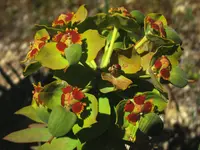
Euphorbia stracheyi is a small, clumping perennial from high, dry mountain regions of Central Asia and the Himalayas. It belongs to the spurge family, known for milky sap and drought tolerance.

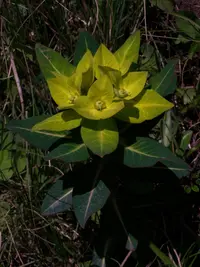
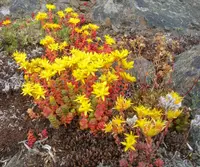
Plants form low, compact mounds with narrow leaves and modest yellow-green bracts rather than showy petals. The habit is tidy and architectural, suiting rock gardens and specialized collections.

This species prefers strong light, fast-draining gritty soil, and careful watering, and it resents prolonged moisture around the roots. Understanding how to care for Euphorbia stracheyi is important because it reacts poorly to overwatering and poorly drained sites.

Main Plant Requirements

Care Difficulty

Moderate Care

Light Preference

Full Sun

Water Requirements

Low Water

Temperature Preference

Cool Climate

Hardiness Zone

Unknown

Soil Texture

Sandy, Rocky, Loamy

Soil pH

Slightly acidic (6.5–7.0), Neutral (7.0)

Soil Drainage

Well-drained

Fertilization

Minimal (feed rarely)

Get Personalized Care Plan

Scan your plant to receive care tips personalized for your specific plant

Available on iOS and Android

How to Care for the Euphorbia stracheyi

This high-altitude species prefers strong light but benefits from some protection in lowland gardens.

  • Provide 6–8 hours of direct sun, ideally with bright morning sun and light afternoon shade, especially in hot, low-elevation climates.
  • In very intense sun or reflective sites, use thin shade cloth or plant near rocks to reduce leaf scorch and substrate overheating.
  • In cloudy or shaded locations, place in the brightest spot available; weak, elongated stems indicate it needs more light when caring for Euphorbia stracheyi.

This drought-adapted plant needs infrequent but deep watering and fast-draining soil.

  • Allow the top 3–5 cm of soil to dry completely before watering; in arid summer conditions this may mean watering every 10–21 days, less often in cool weather.
  • Use very gritty, sharply drained soil so water runs through quickly; avoid sites where puddles remain longer than 15–20 minutes after rain.
  • Watch for shriveling stems as a sign of underwatering, and for yellowing, soft, or splitting tissue as early signs of overwatering and root stress in Euphorbia stracheyi.

This species is adapted to cold, dry mountain climates but dislikes combined cold and wet soil.

  • Aim for active growth in 55–75°F (13–24°C); short heat spikes up to 90°F (32°C) are tolerated if soil stays dry and roots are shaded.
  • Mature plants can survive drops near 0°F (−18°C) when soil is well-drained and dry, but damage increases if cold periods coincide with prolonged moisture.
  • Protect from repeated freeze–thaw cycles and wet winter conditions; in very cold or rainy climates, a cold frame or sheltered rock garden improves long-term survival.

This drought-adapted succulent is comfortable in dry indoor air and humidity is rarely a concern.

  • Target 25–40% humidity, similar to typical heated homes, without extra humidification.
  • Plant away from constant misting, humidifiers, or terrariums that keep air overly moist.
  • Watch for soft, pale, or splitting stems as signs of excess humidity combined with poor air movement.

This species needs a very fast-draining, mineral-rich substrate to prevent root rot.

  • Use a gritty mix roughly 60–70% inorganic material such as coarse sand, pumice, or small gravel, with 30–40% cactus potting mix.
  • Aim for slightly alkaline to neutral pH around 7.0–7.8, avoiding strongly acidic mixes high in peat alone.
  • Improve drainage and aeration by increasing the proportion of coarse particles if water does not pass through in a few seconds.
  • Avoid fine, compacted, or water-retentive substrates and garden clay, which increase the risk of rot in Euphorbia stracheyi.

This compact, drought-tolerant species is well suited to container growing.

  • Choose a relatively deep, narrow pot that matches the taproot length to prevent circling and mechanical stress on the root.
  • Select unglazed terracotta if extra evaporation is needed in humid climates, or a denser material in very hot, dry areas to slow moisture loss.
  • Place the container where it cannot tip, such as in a heavier outer cachepot or on a stable surface, since dry substrates reduce pot weight.

This drought-adapted perennial needs only light feeding in most garden soils.

  • Use a low-dose balanced NPK granular or slow-release fertilizer in early spring if growth appears weak or soil is poor.
  • Apply once per year during active growth; avoid midsummer overfeeding, which encourages soft, weak tissue.
  • Reduce or skip feeding entirely in fall and winter when Euphorbia stracheyi is largely dormant.
  • If using liquid feed, dilute to 1/4–1/2 strength and apply to moist soil to prevent root burn.

Pruning is mainly used to keep this plant tidy and remove declining growth.

  • Carry out light pruning in late winter or early spring, before strong new growth starts.
  • Remove dead, damaged, or diseased stems at the base using clean, sharp pruners; discard any rotting tissue.
  • Thin crowded or crossing stems to improve air flow and maintain the plant’s natural compact form.
  • Avoid heavy cutting into old, woody stems of Euphorbia stracheyi, as these may reshoot poorly.

This species is usually grown in the ground and dislikes frequent disturbance.

  • Transplant only when necessary, such as when growth is stunted or a site is clearly unsuitable.
  • Schedule moves for early spring or early fall, when temperatures are mild and soil is workable.
  • For container-grown plants, repot every 3–4 years or when roots circle the pot and drainage slows.
  • Lift with a wide root ball, disturb roots as little as possible, then water lightly and shade for several days to limit stress.

Propagation of this species is possible but slower and less common than for many garden perennials.

  • Use fresh seed sown in fall or early spring, in a sharply drained, gritty mix kept just slightly moist.
  • Provide bright light, good air flow, and cool to moderate temperatures to support steady germination and seedling growth.
  • Stem cuttings taken in late spring can root if allowed to callus, then placed in a fast-draining medium.
  • Handle Euphorbia stracheyi cuttings carefully, as the milky sap can irritate skin; wear gloves and avoid contact with eyes.

This hardy perennial usually manages winter well in suitable climates but benefits from simple precautions.

  • In the ground, it tolerates typical frosts, especially in well-drained, rocky or sandy soil.
  • Apply a light gravel or coarse mulch layer around the crown to keep the root zone free-draining, not wet.
  • For container specimens, move pots under cover or into a cold frame to avoid prolonged freeze–thaw cycles.

Care Tips

Root-zone protection

In cold climates, place a 2–3 cm layer of coarse grit or small gravel around the root zone to keep the crown dry and reduce freeze–thaw damage in winter.

Toxic sap handling

When cutting or repotting, wear nitrile or latex gloves and keep paper towels ready to blot the white latex sap so it does not drip onto skin, eyes, pets, or porous surfaces.

Grit top-dressing

Add a permanent top-dressing of sharp grit after planting to keep stems dry at the base, discourage rot, and make it easier to monitor surface moisture.

Rain exposure control

In regions with wet springs, position containers under a simple rain shield or overhang so the plant receives bright light but the potting mix is not repeatedly saturated by heavy rain.

Summer growth check

During the main growing period, mark stem height on a plant label once a month; slow or stopped extension growth often signals root problems or compaction that need investigation when caring for Euphorbia stracheyi.

Common Pests and Diseases

Root-knot nematodes

This pest attacks the fine roots, causing galls, reduced vigor, and poor drought tolerance in this slow-growing species. Symptoms include stunted growth, yellowing, and plants that collapse in heat despite seemingly adequate watering.

Solution

Remove and destroy heavily affected plants, then solarize or rest the bed with non-host cover crops to reduce nematode populations. For remaining specimens, improve soil drainage with coarse grit, avoid overwatering, and consider rotating the planting site or using clean, nematode-free soil for containers when growing Euphorbia stracheyi.

Crown and stem canker

This disease affects the woody crown and lower stems, often after mechanical damage or frost injury in dryland plantings. Symptoms include sunken, dark lesions at the base, localized dieback, and gradual decline of shoots above the affected area.

Solution

Cut out affected stems well below visible damage with sterilized tools and discard the material, then keep the crown dry by using gravel mulch and avoiding overhead watering. In cold or wet climates, site plants on raised, sharply drained mounds and protect from winter wet and freeze–thaw cycles that open entry points for canker fungi.

Euphorbia rust

This disease appears on foliage and young stems, favored by unseasonal humidity around an otherwise xeric plant. Symptoms include small yellow spots that develop into orange-brown pustules, leaf distortion, and premature leaf drop.

Solution

Remove and destroy affected leaves promptly and increase spacing and airflow so foliage dries quickly, especially after rain or irrigation. Avoid overhead watering, water early in the day, and if the problem recurs on valuable plants, apply a targeted sulfur or copper-based fungicide according to label directions during the early stages of infection.

Aphids

These insects feed on tender new growth and flower stems, which are often the softest tissues on this otherwise tough, xerophytic plant. Symptoms include distorted shoots, sticky honeydew, and possible sooty mold on nearby surfaces.

Solution

Dislodge colonies with a firm stream of water, then spot-treat remaining clusters with insecticidal soap or a dilute neem oil spray, avoiding direct sun immediately after application. Encourage natural predators like lady beetles and avoid high-nitrogen fertilizers that push excessive soft growth, which attracts aphids.

Mealybugs

This pest hides in stem joints and at the base of stems, especially on multi-stemmed clumps, sucking sap and weakening plants over time. Symptoms include white cottony masses, sticky residue, and localized yellowing or dieback of affected shoots.

Solution

Isolate affected pots or clumps, then dab visible insects with cotton swabs dipped in isopropyl alcohol and remove heavily infested stems if practical. For persistent infestations, use repeated applications of insecticidal soap or horticultural oil, directing spray into crevices, and maintain drier, well-ventilated conditions that discourage mealybug buildup without stressing the plant excessively.

Interesting Facts

High‐altitude specialist

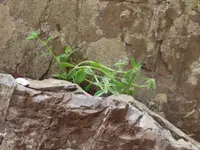
This species is native to high Himalayan regions, often occurring above 3,000 m on dry, stony or gravelly slopes where few other broadleaf perennials can survive long term.

Distinctive seasonal stems

Its aerial shoots are short-lived and die back after the growing season, while a persistent woody rootstock survives below ground and sends up new stems each year.

Toxic milky latex

Like many members of Euphorbia, it produces a white latex sap that is irritant and potentially harmful to skin and eyes, which is why handling is safest with gloves and protective care.

FAQs about Euphorbia stracheyi

This species contains a milky latex sap that is irritating or toxic if ingested and can burn skin or eyes. Keep it away from children and pets, and always handle with gloves and eye protection.

Grow Healthy Plants with Botan Care

Keep your plants happy and healthy with plant identification, disease detection, and easy care guidance.

Botan plant care app — identify plants on mobile

Explore More Plants