Common Wild Fig Care (Ficus thonningii)

Common Wild Fig

About Common Wild Fig

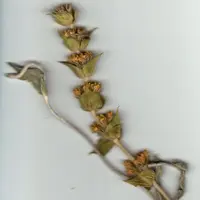
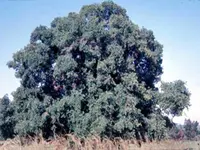
Common wild fig, Ficus thonningii, is an evergreen tree from the fig family, often forming a dense, spreading canopy. In nature it can develop buttressed roots and multiple trunks, giving it a sculptural look.

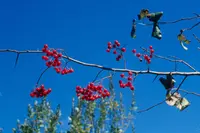
It is native to sub-Saharan Africa, where it grows in savannas, woodland edges, and along riverbanks. The tree produces small figs that support wildlife in its natural range.

In cultivation it is valued for its toughness, fast growth, and ability to adapt to pruning, though uncontrolled roots can become invasive in warm climates. Understanding how to care for Common Wild Fig starts with providing bright light, moderate moisture, and well-drained soil.

Main Plant Requirements

Care Difficulty

Moderate Care

Light Preference

Partial Sun

Water Requirements

Moderate Water

Temperature Preference

Tropical / Frost Sensitive

Hardiness Zone

10–12

Soil Texture

Sandy, Loamy, Organic-rich

Soil pH

Acidic (5.5–6.5), Slightly acidic (6.5–7.0)

Soil Drainage

Well-drained

Fertilization

Minimal (feed rarely)

Get Personalized Care Plan

Scan your plant to receive care tips personalized for your specific plant

Available on iOS and Android

How to Care for the Common Wild Fig

This species prefers bright, indirect light similar to open woodland edges.

  • Provide 4–6 hours of bright, filtered light daily; light morning sun with dappled or shaded afternoons suits Common Wild Fig best.
  • Tolerates partial shade (2–4 hours of indirect light), but growth slows and foliage may thin if light stays low for many weeks.
  • In hot summers, protect from harsh midday sun to prevent leaf scorch; in winter, avoid deep shade by pruning overstory or adjusting site exposure.

Ficus thonningii prefers evenly moist, well-drained soil without prolonged dryness or saturation.

  • Water when the top 3–5 cm of soil feels dry; in warm seasons this may mean more frequent watering, while in cooler months intervals usually lengthen.
  • Use deep watering so moisture reaches the main root zone, then allow excess to drain away to limit root rot risk in heavier soils.
  • Watch leaves for cues: yellowing and soft foliage often indicates overwatering, while crisp edges, dull color, and leaf drop suggest the plant stayed too dry.

This fig grows best in warm, frost-free conditions similar to subtropical climates.

  • Aim for 70–85°F (21–29°C) for strongest growth; short periods up to 90°F (32°C) are usually tolerated if soil moisture is stable.
  • Avoid temperatures below 50°F (10°C); growth slows near this point and tissue damage can occur close to 40°F (4°C).
  • Plant in locations protected from frost pockets and cold winds, and provide extra water and light shade during extreme heat waves above 90–95°F (32–35°C).

This fig prefers moderate ambient humidity and usually adapts well to typical indoor levels.

  • Aim for 40–60% humidity; it tolerates brief dips lower but prolonged very dry air can slow growth.
  • Crisping leaf edges and increased leaf drop signal humidity stress for Common Wild Fig, especially near heaters or vents.
  • Increase humidity with a nearby open tray of water and stones or by grouping plants, rather than frequent heavy misting.

This species prefers a loose, well-aerated, fast-draining mix that still holds some moisture.

  • Use a base of loamy potting mix with 20–30% coarse sand and 20–30% perlite or pumice to keep structure open.
  • Ensure excess water can drain freely; compact, waterlogged substrates quickly lead to root decline in Ficus thonningii.
  • Slightly acidic to neutral pH around 6.0–7.0 supports balanced nutrient uptake without special amendments.
  • Improve aeration in heavier mixes by adding fine bark chips, avoiding dense clay-based components and unamended garden soil.

This species is suitable for container growing when its vigorous root system is given enough stable support.

  • Choose a wide, heavy container to counterbalance the increasingly woody canopy and reduce tipping in wind or on balconies.
  • Select thick-walled clay or ceramic if extra moisture loss is needed in humid climates or where watering is easily overdone.
  • Use a deep pot that allows strong vertical root development, which helps anchor tall multi-stemmed growth over time.

This species grows acceptably in lean soils, but container-grown Common Wild Fig benefits from moderate feeding.

  • Use a balanced liquid fertilizer (for example 10-10-10) at 1/2 strength every 4–6 weeks during spring and summer.
  • Alternatively, apply a slow-release balanced fertilizer once at the start of the growing season.
  • In the ground, occasional top-dressing with compost can support long-term soil health.
  • Stop feeding or reduce to very light applications in fall and winter when growth slows.

Ficus thonningii responds well to thoughtful pruning that manages size and structure.

  • Carry out main pruning in late winter or early spring before vigorous new growth begins.
  • Remove dead, diseased, crossing, or inward-growing branches to improve light and air penetration.
  • Shorten or thin crowded shoots to control height and encourage a strong, balanced framework.
  • Use clean, sharp bypass pruners or a pruning saw, making smooth cuts just outside branch collars.

This fig is often grown as a landscape tree, so focus on careful transplanting and occasional repotting for young container plants.

  • Transplant or up-pot in late winter or early spring when temperatures are mild and growth is starting.
  • Look for roots circling the container, dense root mats at drainage holes, or slowed growth as signals to move up 1 pot size.
  • Handle the root ball gently, loosening only the outer circling roots, and keep as much soil around the roots as possible.
  • Water thoroughly after transplanting, keep soil evenly moist for several weeks, and shade from harsh sun to limit transplant shock.

This species is commonly propagated from cuttings and sometimes by seed or air layering.

  • Take semi-hardwood stem cuttings in late spring or early summer, 10–15 cm long with several nodes.
  • Remove lower leaves, dip the cut end in rooting hormone, and insert into a well-drained, moist medium such as 1:1 perlite and peat or coco coir.
  • Maintain high humidity and warmth (70–80°F) with bright, indirect light until roots form.
  • For air layering, girdle a pencil-thick stem, pack with moist sphagnum moss, wrap in plastic, then cut below the rooted section after several weeks.

This tropical fig is frost-sensitive and requires meaningful winter protection in climates with cold temperatures.

  • Avoid exposure below about 35°F; sustained freezing can damage or kill young plants.
  • Move container plants indoors or into a heated greenhouse before the first expected frost.
  • Outdoors in mild climates, apply a 5–8 cm organic mulch over the root zone, keeping it slightly away from the trunk.
  • Reduce watering in winter, allowing the top layer of soil to dry more between waterings while preventing complete drought.

Care Tips

Root ball management

When potting or repotting, slice and loosen circling roots on the outer 1–2 cm of the root ball to prevent future girdling roots and keep the plant structurally stable as it matures.

Progressive crown training

Decide early if the plant should be a single- or multi-stem specimen, then use soft ties and a sturdy central stake to guide vertical leaders while regularly thinning congested inner branches to maintain good light penetration into the canopy.

Controlled aerial roots

If aerial roots appear, direct only a few of the strongest ones into the soil of the same pot or an adjacent container to increase stability, and trim off others to prevent a tangled, crowded base.

Salt buildup control

Every 2–3 months, flush the potting mix thoroughly with clean, tepid water until it drains freely from the bottom holes to reduce fertilizer salt accumulation that can cause leaf tip burn and reduced vigor.

Quarantine and pest scouting

When adding new plants nearby, keep them separate for 2–3 weeks and inspect both the fig and newcomers with a hand lens for scale insects, mealybugs, and spider mites, so that caring for Common Wild Fig does not turn into managing a persistent infestation.

Common Pests and Diseases

Fig wax scale

This pest forms raised, waxy brown to gray bumps on stems and leaves, often leading to sticky honeydew and black sooty mold. This pest weakens plants by sucking sap and can cause yellowing and leaf drop in stressed trees, especially in containers or hedges.

Solution

Prune and dispose of heavily infested twigs, then wipe remaining scale with a cloth dipped in diluted alcohol or insecticidal soap. For larger shrubs or trees, a horticultural oil spray applied thoroughly to stems and leaf undersides helps smother crawlers; repeat 1–2 times at 7–10 day intervals while monitoring for regrowth as part of long‑term Ficus thonningii plant care.

Fig leaf beetle

These insects chew irregular holes in leaves, sometimes leaving only leaf veins and causing a thin, skeletonized canopy on young plants. Symptoms include rapid defoliation during outbreaks, especially on isolated ornamental trees or young hedge plants.

Solution

Hand-pick adult beetles and larvae where reachable and remove heavily damaged leaves to reduce feeding pressure. Encourage natural predators, avoid excessive nitrogen fertilization that promotes tender new growth, and if needed use a targeted neem or pyrethrin-based spray in the evening, coating both leaf surfaces while avoiding open flowers and beneficial insects.

Nematode canker

This disease causes galls or rough, swollen areas on roots and lower stems, leading to poor growth, sparse foliage, and branch dieback in landscape or container specimens. Symptoms include stunting even with proper water and fertilizer, and trees may become more prone to drought stress.

Solution

Remove and destroy severely affected young plants and avoid replanting susceptible figs in the same spot for several years. Improve soil structure with organic matter, use clean nursery stock, and where possible plant into deeper, well-drained soil or raised beds to reduce nematode pressure; mulching and regular but moderate watering help reduce additional stress on surviving trees.

Sooty mold complex

This disease appears as black, soot-like coating on leaves and stems that develops on sticky honeydew from sap-sucking insects such as scale, aphids, or mealybugs. Symptoms include dull, blackened foliage and reduced photosynthesis, although leaf tissue is not directly infected.

Solution

Control the honeydew-producing insects with targeted measures such as insecticidal soap, horticultural oil, or careful manual removal. Once the infestation drops, gently wash affected leaves with lukewarm water and a mild soap solution to remove the mold film and improve light penetration; improve airflow by thinning dense branches in hedges or topiary forms.

Fusarium branch dieback

This disease causes gradual wilting and death of individual twigs or branches, often starting at the tip and moving inward, while other parts of the canopy remain healthy. Symptoms include discolored vascular tissue just under the bark and twig breakage in affected sections.

Solution

Prune out affected branches several inches below visible discoloration, sterilizing tools between cuts, and destroy removed material. Improve plant vigor with balanced watering, avoid trunk and root injury, and provide good spacing and airflow; in landscape settings, avoid overhead watering that keeps foliage wet for long periods, which favors fungal spread.

Interesting Facts

Strangler and canopy tree

This species starts life as an epiphyte on host trees, then sends down roots that can eventually envelop and kill the host, later maturing into a large, self-supporting canopy tree over 20 m tall in its native range.

Keystone fig for wildlife

In East African woodlands and savannas, its frequent fruiting provides a critical food source for birds, bats, primates, and other mammals during seasonal food shortages, making it an important keystone resource in local ecosystems.

Remarkably variable growth form

Depending on climate and disturbance, it can occur as a multi-stemmed shrub, a liana-like climber, or a massive single-stemmed tree, which has contributed to past taxonomic confusion with closely related fig species.

Botan icon

Did you know?

In some African farming landscapes, this fig is deliberately retained or planted within fields as a live shade and boundary tree, where its extensive root system stabilizes soil and its canopy moderates local microclimate for crops and livestock.

FAQs about Common Wild Fig

This species performs best outdoors in warm climates where it has space for deep roots and a broad canopy. Indoors it quickly outgrows typical rooms, so long-term Common Wild Fig indoor care is usually impractical except in large atriums.

Grow Healthy Plants with Botan Care

Keep your plants happy and healthy with plant identification, disease detection, and easy care guidance.

Botan plant care app — identify plants on mobile

Explore More Plants