Flammulaster muricatus Care

Flammulaster muricatus

About Flammulaster muricatus

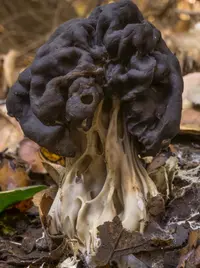
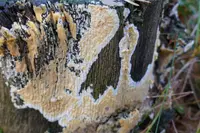
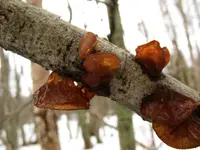
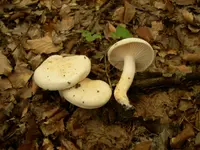
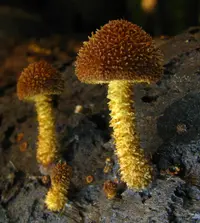
Flammulaster muricatus is a small, wood-inhabiting fungus rather than a traditional leafy plant. It forms rusty to yellow-brown caps with a spiny or rough surface and slender stems. Fruiting bodies usually appear in clusters on decaying hardwood in temperate forests, especially in Europe and parts of North America.

This species has a specialized lifestyle, relying on rotting wood and humid, shaded conditions, which makes it unsuitable for typical home cultivation. Attempts to care for Flammulaster muricatus require controlled, sterile conditions and are generally considered challenging, even for experienced growers.

Main Plant Requirements

Care Difficulty

Moderate Care

Light Preference

Partial Shade

Water Requirements

Regular Water

Temperature Preference

Cool Climate

Hardiness Zone

Unknown

Soil Texture

Loamy, Organic-rich

Soil pH

Slightly acidic (6.5–7.0)

Soil Drainage

Moist but well-drained

Fertilization

Minimal (feed rarely)

Get Personalized Care Plan

Scan your plant to receive care tips personalized for your specific plant

Available on iOS and Android

How to Care for the Flammulaster muricatus

This small wood-inhabiting fungus prefers cool, shaded forest conditions with limited direct sun exposure.

  • Provide dappled or filtered light, such as beneath deciduous trees, with only 0.5–2 hours of weak morning sun reaching the substrate.
  • Avoid strong midday or afternoon sun, which can dry fruiting wood rapidly and shorten the lifespan of Flammulaster muricatus caps.
  • Ensure some seasonal light variation, with slightly more light in autumn as leaves thin, but maintain a consistently shaded, humid microclimate year-round.

Moist but not waterlogged wood is essential for reliable fruiting on natural substrates.

  • Aim for consistently damp conditions; the surface of the host wood should feel moist to the touch but never slimy or submerged.
  • Increase moisture input (rainfall, misting, or nearby irrigation splash) during dry or windy periods so the outer 0.5–1 cm of wood does not fully dry out.
  • Reduce added moisture in cool, stagnant conditions to prevent prolonged saturation, mold growth, and wood anaerobic pockets, signs of which include foul odor and dark, mushy patches.

This species fruits best in cool to mild conditions typical of shaded temperate woodlands.

  • Ideal fruiting temperatures are around 50–64°F (10–18°C), often in spring or autumn when air is cool and humidity remains high.
  • Short exposures down to about 37–40°F (3–4°C) are tolerated, but hard frost below 32°F (0°C) can damage or halt fruiting bodies.
  • In warm spells above 72–77°F (22–25°C), fruiting diminishes and caps dry quickly, so a shaded, humid microclimate becomes especially important.

Humidity is not a primary control factor for Flammulaster muricatus, which develops mainly according to wood moisture rather than air humidity.

This wood-inhabiting fungus relies on decaying woody material rather than typical garden soil, so growing attempts should focus on substrate composition and moisture behavior.

  • Use well-rotted hardwood chips, sawdust, or decaying logs as the main substrate, avoiding mineral garden soils altogether.
  • Keep the woody substrate evenly moist but not waterlogged, allowing water to drain or run off freely after wetting.
  • Aim for slightly acidic conditions, around pH 5.0–6.5, which are typical of many decomposing hardwood environments.
  • Increase aeration by mixing coarse wood chips with finer particles so air can penetrate while still retaining consistent moisture.

This species is not naturally suited to container growing, but experimental cultivation on wood-based substrates in containers is possible for advanced growers.

  • Select a deep, rigid container that can hold substantial wood pieces without tipping when the substrate is wet.
  • Drill extra side ventilation holes high on the container walls to keep the woody substrate aerated while the base remains moist.
  • Raise the container on blocks or a mesh stand so leachate can drain away freely and the base does not stay submerged in runoff.

This small saprobic fungus grows on woody debris and typically does not benefit from routine fertilization in garden or container settings.

Flammulaster muricatus does not require horticultural pruning because the fruiting bodies are short-lived mushrooms emerging from decaying wood.

This species is not maintained as a conventional potted plant; management focuses on positioning suitable woody substrate rather than repotting.

  • Transplant only by moving colonized wood or bark pieces, keeping them intact to avoid disturbing the fungal mycelium.
  • Carry out moves in cool, moist weather to reduce desiccation stress on the underlying wood and fungal network.
  • Place the substrate back into a shaded, humid microhabitat with similar exposure and moisture as the original site.
  • Avoid frequent relocation; once a patch is established, leave it undisturbed to maintain stable fruiting.

Flammulaster muricatus is rarely propagated intentionally in home settings and relies on spores dispersing naturally from mature caps.

This wood-decaying mushroom is naturally cold hardy in its native range and needs no dedicated winter care in outdoor habitats.

Care Tips

Rotate collection sites

If observing this fungus in a garden or woodland setting, avoid disturbing the same patch repeatedly and instead rotate where samples are taken so the underlying mycelium remains vigorous and can continue fruiting over several seasons.

Maintain coarse debris

Leave a layer of coarse woody debris such as small twigs, bark pieces, and partly decomposed chips in the habitat instead of finely shredding or removing it, since this structure supports the saprophytic mycelium and stabilizes moisture where fruiting bodies form.

Use gentle foot traffic control

Mark or lightly edge around recurring fruiting spots to discourage stepping or raking directly over them, which compresses the substrate and damages the delicate underground network that produces the mushrooms.

Monitor for competing fungi

Check the substrate periodically for aggressive colonizers such as some Trichoderma or fast-growing inkcaps, and if a single species begins to dominate, reduce additional woody inputs and disturbance so the existing fungal community can re-balance naturally.

Adjust irrigation pattern

Where irrigation is used near established colonies, favor less frequent but deeper watering cycles that moisten the decomposing wood without waterlogging it, which better simulates natural rainfall patterns and supports stable fruiting when growing Flammulaster muricatus in designed habitats.

Common Pests and Diseases

Mycophagous springtails

These insects feed on fungal tissues and can cluster on caps and stems, sometimes scarring young fruitbodies. This pest is favored by persistently wet, organic-rich substrates where the fungus develops.

Solution

Limit excess surface moisture and avoid heavy disturbance of the fruiting area, since this spreads the insects. Where numbers are high, remove heavily infested fruitbodies and, in cultivation setups, improve drainage and airflow and use fine mesh barriers around culture containers to reduce access.

Fungus gnats

These insects lay eggs in damp, decaying wood or litter, and their larvae feed on fungal mycelium and young fruitbodies. Symptoms include thinning or distorted caps and a high presence of small flying adults around the substrate.

Solution

Reduce standing moisture in rearing or observation containers and allow the substrate surface to dry slightly between misting events. Use yellow sticky traps to reduce adult populations and cover culture boxes with fine mesh or tight-fitting lids that allow air exchange but block adult gnats, which is important for controlled Flammulaster muricatus care instructions.

Competitive mold fungi

This disease appears as fast-spreading white, green, or gray patches that overrun the native mycelium and may prevent normal fruiting. Symptoms include stalled or aborted fruitbodies and discolored substrate around the colony.

Solution

Remove and discard heavily overgrown substrate and any malformed or mold-covered fruitbodies. In culture conditions, work with clean tools, reduce overcrowding of organic debris, and maintain better airflow so surfaces dry between misting, which reduces mold spore germination.

Bacterial blotch

This disease causes greasy, water-soaked spots or streaks on caps, which may turn yellow-brown and soften. Symptoms include localized slimy patches on the pileus surface, often after prolonged wetting from overhead moisture.

Solution

Avoid constant surface wetness by switching from heavy overhead spraying to finer misting or side-wetting of the substrate. Remove and discard affected fruitbodies, ventilate enclosed setups more frequently, and prevent water from pooling on caps or on smooth, non-absorbent surfaces near the colony.

Interesting Facts

Spiny cap surface

The cap is covered with distinctive coarse, dark, spiny scales that give it a rough, muricate texture, which is a key feature used by mycologists to separate it from similar small brown mushrooms.

Strong odour profile

Fresh fruitbodies often emit a strong, somewhat unpleasant smell, sometimes described in field guides as rancid or musty, which helps confirm identification when combined with microscopic features.

Wood-decaying specialist

This saprotrophic fungus grows mainly on well-rotted hardwood debris, bark, and sawdust, playing a role in breaking down lignin- and cellulose-rich material in temperate forests and woodland edges.

FAQs about Flammulaster muricatus

This small woodland fungus is regarded as inedible. It is not cultivated for food, has no culinary value, and may contain unknown or irritating compounds. It should be left in place and not collected for eating.

Grow Healthy Plants with Botan Care

Keep your plants happy and healthy with plant identification, disease detection, and easy care guidance.

Botan plant care app — identify plants on mobile

Explore More Plants