Gloiothele citrina Care

Gloiothele citrina

About Gloiothele citrina

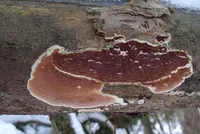
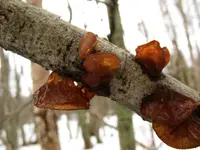
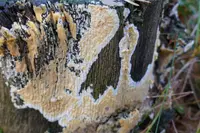
Gloiothele citrina is a small, crust-like fungus rather than a typical leafy plant. It usually forms thin, bright yellow patches on decaying wood. The surface often looks slightly gelatinous or waxy, hugging the bark closely instead of producing stems or caps. It occurs mainly in temperate forests, especially on fallen branches and logs in moist, shaded habitats.

This species plays a role in breaking down dead wood and recycling nutrients in the ecosystem. For anyone interested in fungi, learning how to care for Gloiothele citrina mostly means protecting its natural woodland conditions, especially stable moisture and access to well-rotted wood.

Main Plant Requirements

Care Difficulty

Moderate Care

Light Preference

Partial Shade

Water Requirements

Keep Soil Moist

Temperature Preference

Cool Climate

Hardiness Zone

Unknown

Soil Texture

Loamy, Silty, Organic-rich

Soil pH

Acidic (5.5–6.5), Slightly acidic (6.5–7.0)

Soil Drainage

Moist but well-drained

Fertilization

Minimal (feed rarely)

Get Personalized Care Plan

Scan your plant to receive care tips personalized for your specific plant

Available on iOS and Android

How to Care for the Gloiothele citrina

This wood-inhabiting fungus prefers low to moderate light that mimics a shaded forest floor.

  • Provide bright shade or dappled light, such as under shrubs or on the north or east side of logs, avoiding direct midday sun.
  • Allow only brief early morning sun (1–2 hours); strong afternoon sun can dry the substrate and inhibit fruiting of Gloiothele citrina.
  • In summer, ensure filtered light and higher humidity; in winter, reduced day length is acceptable as long as the substrate does not dry out completely.

Moist, not saturated, wood or woody debris is essential for stable development of this fungus.

  • Keep the host wood consistently damp to the touch, never waterlogged; excess standing water encourages competing molds and anaerobic conditions.
  • Re-wet when the outer 2–5 mm of wood feels dry or lighter in color; mist or gently soak, then let excess water drain away from the site.
  • During hot, dry periods, check moisture every 1–3 days; in cool, wet seasons, reduce watering and rely more on natural rainfall patterns.

This species develops best in cool to mild conditions typical of shaded woodland environments.

  • Aim for an active growth range around 50–70°F (10–21°C), where enzyme activity and wood decay proceed efficiently.
  • Tolerates short drops near 32°F (0°C), but repeated hard frost and freeze–thaw cycles can damage fruiting bodies and slow colonization.
  • High heat above 80°F (27°C), especially with low humidity, can dry the substrate and suppress visible growth, so provide shade and moisture in hot seasons.

This wood-inhabiting fungus does best in consistently humid, sheltered conditions rather than dry air.

  • Target ambient humidity around 70–90% by keeping the substrate and surrounding microhabitat moist but not waterlogged.
  • Dry, windy air quickly desiccates the fruiting bodies, leading to shriveling, pale coloration, and halted growth.
  • Increase humidity by placing logs or wood pieces in shaded, wind-protected spots, using leaf litter cover, and avoiding direct sun exposure.

This species grows on decaying wood rather than in true soil, so focus on the woody substrate structure instead of typical potting mixes.

  • Use well-rotted hardwood logs or thick branches with a spongy, decomposed interior, which mimics the natural habitat of Gloiothele citrina.
  • Ensure the wood or woody substrate drains freely yet stays evenly moist; avoid permanently submerged, stagnant, or compacted conditions.
  • Maintain a slightly acidic environment (about pH 5.0–6.5) by using hardwoods like oak or beech and avoiding alkaline additives such as lime or wood ash.
  • Improve aeration by elevating the wood off solid surfaces with blocks or mesh so air reaches all sides while moisture is retained with leaf litter or mulch around it.

This species is only marginally suitable for container culture because it prefers natural, decaying wood environments.

  • Use a wide, shallow tub or crate that allows placement of substantial wood pieces while leaving air gaps around them for gas exchange.
  • Drill side ventilation holes above the base so excess water drains away yet the container still holds a humid boundary layer around the wood.
  • Choose opaque or thick-walled containers that reduce light penetration and moisture loss, helping the wood stay evenly damp without frequent intervention.

This saprophytic fungus typically gains nutrients from decaying wood and does not benefit from added fertilizer.

As a small, short-lived wood-decay fungus, Gloiothele citrina does not require pruning in cultivation.

In garden or forestry contexts, management focuses on the host wood rather than moving the fungus itself.

  • Transplanting is not practical, since the fungus lives within and on decomposing wood, not as an independent potted organism.
  • If relocation is desired, move a piece of the naturally colonized wood to a similar shaded, moist site.
  • Avoid scraping or cutting the mycelium-rich surface, as this damages the feeding network within the wood.
  • Maintain comparable moisture and shade at the new site to limit stress on the existing fungal colony.

Propagation of this wood-decaying fungus is usually left to natural spore spread rather than controlled methods.

This species is adapted to outdoor conditions on rotting wood and typically needs no special winter care.

Care Tips

Substrate rotation

Rotate and replace small sections of the decaying wood or bark substrate every 6–12 months to maintain a fresh supply of lignin-rich material that supports continued fruiting when growing Gloiothele citrina.

Moisture gradient zones

Arrange the culture wood so that one end is kept slightly drier and the other end slightly moister, allowing the fungus to occupy the zone it prefers and reducing the risk of complete loss from a single moisture imbalance.

Shaded airflow setup

Position culture containers or trays in a shaded location with gentle, indirect airflow such as near, but not directly in front of, a vent or fan to reduce stagnant air without letting the wood dry out quickly.

Nonmetal tools only

Use plastic or wooden tools, or gloved hands, to handle and divide colonized wood, since sharp metal edges can crush and desiccate the thin fruiting crust on the surface.

Staggered inoculation

Establish several small batches of colonized wood at different times so that if one batch fails from contamination or drying, another remains active to continue the colony and provide material for future inoculation.

Common Pests and Diseases

Wood-decay competition fungi

This disease involves other wood-decay fungi colonizing the same dead wood substrate, outcompeting the yellow waxy fruitbodies and causing them to thin out or disappear over time. Symptoms include patchy or missing Gloiothele citrina growth replaced by different crusts, brackets, or molds.

Solution

Remove heavily colonized, competing fungal tissue if practical and, when studying or encouraging Gloiothele citrina, place fresh pieces of suitable hardwood in the same cool, shaded, moist area to provide new substrate. Avoid moving infected wood between sites to limit spread of aggressive competitors and maintain good airflow so surfaces dry between rains, which discourages some fast-growing molds.

Mucor and other molds

This disease appears as fluffy gray, white, or dark mold over the gelatinous yellow crust, often after prolonged wet, stagnant conditions. Symptoms include a dulling or obscuring of the natural yellow color and rapid collapse of the fruitbodies.

Solution

Improve air movement around the wood by slightly raising logs or branches off the soil and avoiding full enclosure in plastic or sealed containers. For small observation pieces, physically scrape off heavy mold growth and allow the substrate to dry briefly between misting or watering to reduce conditions that favor these molds while still keeping the wood generally moist for growing Gloiothele citrina.

Wood-boring beetle larvae

This pest lives inside dead wood, tunneling through and breaking up the substrate that supports the fungus. Symptoms include small exit holes, frass (fine sawdust), and gradual loss of the stable, smooth wood surface where the crust forms.

Solution

For display or cultivation logs, remove and discard pieces showing extensive tunneling and replace them with sound but well-decayed hardwood. Store logs in cool, shaded, humid conditions but off bare soil, and if infestation is localized, cut away and dispose of the most damaged sections to slow further breakdown of the substrate.

Oribatid and other wood mites

These insects (actually tiny arachnids) feed on fungal tissue and organic debris, sometimes grazing the surface of the yellow crust. Symptoms include a finely pitted or scraped appearance and tiny moving dots visible with a hand lens.

Solution

Maintain moderate, not extreme, moisture and avoid constantly saturated conditions that favor mite buildup. If populations are heavy on small study pieces, gently rinse the wood surface with clean water and slightly increase airflow; for indoor observation setups, reduce decaying organic clutter nearby to limit mite habitat while keeping the primary substrate moist but not waterlogged.

Interesting Facts

Distinct lemon-yellow crust

This species forms a thin, bright lemon-yellow resupinate (crust-like) fruiting body on decaying wood, which often appears as a smooth to slightly granular paint-like layer rather than a typical mushroom cap.

Gelatinous fruiting surface

The hymenial surface is slightly gelatinous when fresh and can appear translucent to waxy, a texture caused by a gelatinized layer of fungal tissue that helps protect the spore-producing cells from desiccation.

Preference for hardwood debris

It typically colonizes well-decayed hardwood branches and logs lying on the forest floor, contributing to the late stages of wood decomposition by breaking down complex plant polymers such as cellulose and hemicellulose.

FAQs about Gloiothele citrina

This fungus spreads locally over damp, decaying wood but is not considered aggressive. Colonies usually stay restricted to suitable rotting logs, stumps, or timber and fade when the substrate dries out or decomposes too far.

Grow Healthy Plants with Botan Care

Keep your plants happy and healthy with plant identification, disease detection, and easy care guidance.

Botan plant care app — identify plants on mobile

Explore More Plants