sweet fennel Care (Foeniculum vulgare)

Also known as: fennel, wild fennel, Common fennel
sweet fennel

About sweet fennel

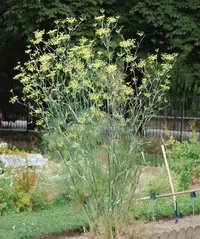
Sweet fennel (Foeniculum vulgare) is a fragrant, perennial herb grown for its feathery leaves, aromatic seeds, and sometimes its swollen leaf bases. It forms an upright, bushy clump with fine, threadlike foliage and tall flowering stems topped with flat clusters of small yellow flowers. Native to the Mediterranean region, it now grows widely in gardens and along roadsides in many mild-climate areas. This plant is generally easy to grow if it receives full sun, well-drained soil, and moderate moisture. Its deep root system and tolerance of dry spells make it resilient once established, which simplifies how to care for sweet fennel.

Main Plant Requirements

Care Difficulty

Easy Care

Light Preference

Full Sun

Water Requirements

Moderate Water

Temperature Preference

Cool Climate

Hardiness Zone

4–9

Soil Texture

Sandy, Loamy, Organic-rich

Soil pH

Slightly acidic (6.5–7.0), Neutral (7.0)

Soil Drainage

Well-drained

Fertilization

Light (every 4–6 weeks)

Get Personalized Care Plan

Scan your plant to receive care tips personalized for your specific plant

Available on iOS and Android

How to Care for the sweet fennel

Foeniculum vulgare performs best in open, bright conditions with full sun exposure.

  • Provide 6–8 hours of direct sun daily; sweet fennel is best positioned in full sun away from tall shading plants or structures.
  • Tolerates light partial shade, especially with morning sun and light afternoon shade, but growth becomes taller and less sturdy with under 5–6 hours of direct sun.
  • In hot inland summers, strong afternoon sun can dry soil quickly, so monitor moisture; in low-light seasons, avoid additional shade from covers or dense neighboring plants.

Foeniculum vulgare prefers consistently moist but not saturated soil with good drainage.

  • Water when the top 3–5 cm of soil feels dry, allowing moisture to reach the deeper root zone without leaving the ground soggy.
  • Use free-draining soil or raised beds so water does not pool; yellowing, limp foliage and a sulfur smell from soil indicate overwatering and poor aeration.
  • Increase watering in hot, windy summer weather and reduce in cool or rainy periods; fine, drooping leaves and slowed growth show the plant is too dry.

This species prefers mild conditions and tolerates a reasonable range of outdoor temperatures.

  • Optimal growth occurs around 60–75°F (16–24°C), especially during the main vegetative phase in spring and early summer.
  • Plants tolerate brief dips to about 25–28°F (-4 to -2°C), but repeated hard frosts damage young growth and can kill tender seedlings.
  • In hot summers up to about 90–95°F (32–35°C), growth may slow and leaves can scorch, so ensure soil moisture and, in extreme heat, slight afternoon shade.

Foeniculum vulgare prefers relatively dry air and usually does not need special humidity control.

Foeniculum vulgare prefers deep, loose, well-drained soil with moderate fertility.

  • Use a loamy or sandy-loam mix with 30–40% compost to support strong bulb and root development.
  • Aim for slightly acidic to neutral pH, around 6.0–7.0, to support nutrient uptake.
  • Improve drainage and aeration by blending in coarse sand or perlite, especially in heavier native soils.
  • Avoid compacted, waterlogged, or very clay-heavy substrates, which promote root rot and weak, leggy growth.

This species can be grown in containers if the pot is deep and stable enough for its tall growth and taproot.

  • Choose a pot at least 30–40 cm deep so the taproot can extend without curling tightly at the base.
  • Use a heavier or wide-based container to reduce tipping as the tall foliage and flower stalks catch wind.
  • Position the container where it receives full sun but is sheltered from strong gusts that can rock the root ball.

Foeniculum vulgare benefits from modest feeding to support leafy growth and bulb formation in nutrient-poor soils.

  • Use a balanced liquid fertilizer (such as 10-10-10) at half strength every 3–4 weeks during spring and summer if growth is weak.
  • Alternatively, apply a light top-dressing of compost around the root zone at the start of the growing season.
  • Reduce or stop feeding in fall and winter, as growth slows and excess nutrients are unnecessary.
  • For sweet fennel in containers, use a slow-release balanced fertilizer in early spring and monitor for salt buildup by occasional leaching.

Foeniculum vulgare needs only light, targeted pruning to manage size and seed production.

  • Cut out dead, damaged, or weak stems at ground level in late winter or very early spring using clean, sharp pruners.
  • Shear back flower stalks after blooming if self-seeding is not desired, which also keeps the clump tidy.
  • Remove crowded or crossing stems to improve air flow and reduce fungal risk, especially in humid climates.
  • If foliage is used for culinary harvest, take outer stems first to maintain plant vigor and balanced shape.

This species is usually grown in the ground, so focus on careful transplanting rather than frequent repotting.

  • Transplant young Foeniculum vulgare seedlings when they have 2–3 true leaves, before roots become deeply established, to avoid transplant shock.
  • Choose early spring as the preferred time, moving plants into well-drained soil without breaking the long taproot.
  • Space plants adequately and water deeply after transplanting, then keep soil evenly moist until new growth resumes.
  • Container plants only need shifting when roots circle the pot or growth stalls; move up one size and disturb roots as little as possible.

Foeniculum vulgare is most commonly propagated from seed, which establishes new plants efficiently in suitable conditions.

  • Sow fresh seeds in early spring after frost risk has passed, or in late summer for fall germination in mild climates.
  • Use a free-draining seed mix, cover seeds lightly, and maintain 60–70°F with consistent moisture until germination in 7–21 days.
  • Thin seedlings rather than transplanting repeatedly, as the taproot is sensitive to disturbance.
  • Allow some flower heads to mature and dry on the plant if self-sown seedlings are acceptable in the garden.

Foeniculum vulgare is moderately cold hardy and usually needs only minimal winter attention in mild to cool climates.

  • In regions with freezing winters, cut back dead stems in late fall and apply a 5–8 cm mulch layer over the root zone.
  • Use straw, shredded leaves, or compost as mulch, keeping it just clear of the crown to prevent rot.
  • In very cold areas or containers, move pots to a sheltered, frost-free but cool spot and reduce watering.

Care Tips

Staking Tall Stems

Install slender stakes and loosely tie taller fennel stalks with soft ties before they reach 60–80 cm to prevent wind damage and stem lodging in exposed beds.

Timed Bulb Harvest

For bulbing fennel types, begin harvesting when the bulbs reach roughly tennis-ball size and are still firm and white, cutting just above the root plate to encourage a smaller secondary bulb flush.

Sequential Sowing

Sow small batches every 2–3 weeks in spring and late summer so plants mature at different times, which reduces crowding, disease pressure, and improves the continuity of harvest when growing sweet fennel.

Beneficial Insect Habitat

Allow a few plants to flower and set seed at the back of the bed to attract hoverflies, lacewings, and parasitic wasps, which help control aphids and caterpillars on both fennel and nearby crops.

Controlled Self-Seeding

If self-sowing is not desired, remove seed umbels as they turn from green to brown and dry them under cover for culinary use, preventing unwanted seedlings while preserving a seed supply.

Common Pests and Diseases

Fennel aphids

This pest forms dense colonies on young shoots, flower stalks, and leaf bases, sucking sap and causing curling or yellowing of the feathery foliage.

Solution

Spray plants with a firm jet of water to dislodge colonies, then use insecticidal soap or a dilute neem oil spray, focusing on shoot tips and the undersides of leaves; encourage or protect natural predators like lady beetles for long‑term Foeniculum vulgare plant care outdoors.

Swallowtail caterpillars

These insects feed heavily on foliage and can strip young plants of most of their leaves, especially in summer.

Solution

Hand-pick caterpillars in small plantings and relocate them to less critical host plants such as wild fennel or parsley, or protect young fennel with fine mesh row cover until it is sturdier, removing the cover during flowering to allow pollination.

Powdery mildew

This disease appears as white, powdery patches on leaves and stems, leading to reduced vigor and premature leaf yellowing or dieback, especially in crowded or shaded stands.

Solution

Improve air circulation by thinning plants and avoiding overhead watering, then remove and discard the worst-affected leaves; if needed, apply a sulfur-based or potassium bicarbonate fungicide labeled for edible herbs, treating early at the first signs of infection.

Cercospora leaf spot

This disease causes small tan to brown spots with darker borders on the fine foliage, which can merge and lead to general yellowing and leaf drop under warm, humid conditions.

Solution

Promptly remove and dispose of heavily spotted foliage, avoid wetting leaves when irrigating, and rotate fennel away from previous Apiaceae crops; in recurring cases, use an approved copper or biofungicide during humid periods to reduce new infections.

Interesting Facts

Distinct anise aroma

This species produces aromatic compounds such as anethole in its leaves, stems, and seeds, giving it a characteristic anise- or licorice-like scent and flavor used widely in cooking and liqueurs.

Bulb is swollen stem

The so‑called fennel bulb is not a true bulb but a swollen, layered leaf base and stem structure formed near soil level, which stores nutrients and water and is harvested as a vegetable.

Insect and pollinator magnet

Its flat-topped yellow flower umbels provide abundant nectar and pollen, attracting a wide range of beneficial insects, including hoverflies, parasitic wasps, and many bee species in summer.

Botan icon

Did you know?

In several regions, especially in coastal and disturbed habitats, Foeniculum vulgare has become a vigorous invasive species, forming dense stands that displace native vegetation and alter local plant communities.

FAQs about sweet fennel

Yellowing leaves usually come from water stress, nutrient deficiency, or natural aging of lower foliage. Check drainage, avoid constantly wet soil, and provide a balanced fertilizer. Older, shaded leaves yellowing at the base is often normal senescence.

Grow Healthy Plants with Botan Care

Keep your plants happy and healthy with plant identification, disease detection, and easy care guidance.

Botan plant care app — identify plants on mobile

Explore More Plants