Establish deep roots
During the first 2–3 years, give one slow, deep soak every 10–14 days in dry periods rather than frequent light watering, to train roots to grow deeper and improve long‑term drought resilience when growing Cascara buckthorn.

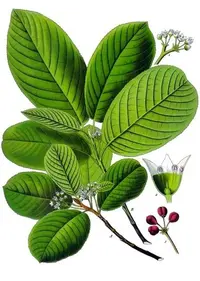
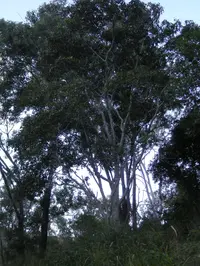
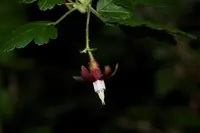
Cascara buckthorn, Frangula purshiana, is a deciduous shrub or small tree native to the Pacific Northwest of North America. It typically grows with an open, rounded crown and smooth gray-brown bark. Leaves are oval, finely veined, and turn yellow in fall, while small greenish flowers give way to pea-sized berries that ripen from red to dark purple. In the wild, it is most common along forest edges, streambanks, and moist woodland understories. This species is generally hardy and adaptable but prefers cool summers, consistent moisture, and well-drained, humus-rich soil. Gardeners who want to learn how to care for Cascara buckthorn should note its preference for partial shade and protection from very hot, dry conditions.

Care Difficulty
Easy Care

Light Preference
Partial Shade

Water Requirements
Moderate Water

Temperature Preference
Cold Hardy

Hardiness Zone
6–9

Soil Texture
Sandy, Loamy, Organic-rich

Soil pH
Acidic (5.5–6.5), Slightly acidic (6.5–7.0)

Soil Drainage
Moist but well-drained

Fertilization
Minimal (feed rarely)
Scan your plant to receive care tips personalized for your specific plant
Available on iOS and Android
Frangula purshiana prefers bright conditions that mimic an open woodland edge.
Frangula purshiana prefers evenly moist but not saturated soil once established outdoors.
This species is a cool-temperate shrub that tolerates a wide outdoor temperature range.
Humidity is not a major factor for Frangula purshiana, which thrives in typical outdoor conditions.
Frangula purshiana prefers deep, moist, well‑drained soil with a loose, organic-rich texture.
This species can be grown in large containers for several years, though it ultimately performs best in the ground.
Frangula purshiana is a slow-growing native tree that usually needs only light feeding in average garden soil.
Frangula purshiana benefits from light, timed pruning to maintain structure and plant health.
Cascara buckthorn is usually grown in the ground, so management focuses on transplanting young trees rather than ongoing repotting.
Frangula purshiana is most often propagated from seed, with some use of softwood cuttings in controlled conditions.
Frangula purshiana is cold hardy in much of its native range and usually needs minimal winter care once established.

Plant Health Check
Not sure what's wrong with your plant? Check your plant's health inside the app.
This species is native to the Pacific Northwest of North America, where it typically grows along stream banks, moist forest edges, and in open coniferous woodlands on cool, humid sites.
Its small black drupes are eaten by birds and small mammals, which disperse the seeds through their droppings, making the shrub an important component of natural forest regeneration processes.
The bark used in herbal preparations must be dried and stored for about 1 year before use, because fresh bark contains higher levels of compounds that can cause strong gastrointestinal irritation.

Cascara bark became one of the most heavily harvested wild plant products in the Pacific Northwest during the late 19th and early 20th centuries, leading to large-scale commercial stripping of wild trees and prompting later conservation and cultivation efforts to make Frangula purshiana care more sustainable.
Growth is moderate. Young plants typically add about 20–40 cm per year under good conditions, slowing as they mature. Moist, fertile soil and adequate space for roots support consistent growth and overall Frangula purshiana plant care.
Keep your plants happy and healthy with plant identification, disease detection, and easy care guidance.