false freesia Care (Freesia laxa)

Also known as: Scarlet Kammetjie, Scarlet Freesia
false freesia

About false freesia

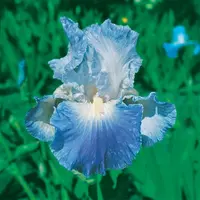
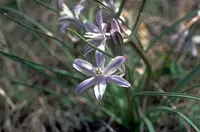
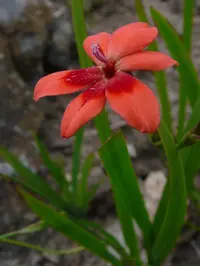
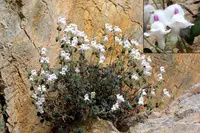
False freesia (Freesia laxa) is a small, bulbous flowering plant grown mainly for its delicate, star-shaped blooms. It forms loose clumps of narrow, upright leaves and slender stems topped with airy sprays of red, pink, or white flowers, often with contrasting markings in the center.

This species is native to South Africa, where it grows in open, seasonally moist habitats. In gardens and containers it stays compact, which suits small spaces and mixed plantings.

Its main appeal is the showy flowering display combined with a relatively easygoing nature, as long as the soil drains well and the bulbs get a dry rest after flowering. These traits make it straightforward to care for false freesia in mild climates or as a potted plant indoors or on balconies.

Main Plant Requirements

Care Difficulty

Moderate Care

Light Preference

Partial Sun

Water Requirements

Moderate Water

Temperature Preference

Warm Climate

Hardiness Zone

8–10

Soil Texture

Sandy, Loamy, Organic-rich

Soil pH

Acidic (5.5–6.5), Slightly acidic (6.5–7.0)

Soil Drainage

Well-drained

Fertilization

Light (every 4–6 weeks)

Get Personalized Care Plan

Scan your plant to receive care tips personalized for your specific plant

Available on iOS and Android

How to Care for the false freesia

This corm-forming plant flowers best with bright, gentle sun and some protection from intense heat.

  • Provide 4–6 hours of direct morning sun with light afternoon shade; east-facing or lightly filtered southern exposure suits false freesia well.
  • In hot summers, shield from harsh sun between 12–4 p.m. to prevent leaf scorch and faded flowers, especially in reflective spots near walls or paving.
  • If stems stretch or flop and blooms are sparse, the plant is not receiving enough light; move to a brighter spot for the next growing season.

This species prefers evenly moist but not saturated soil during active growth, then drier conditions when dormant.

  • During leaf and flower growth, water when the top 2–3 cm of soil feels dry, allowing water to soak through and drain completely to protect Freesia laxa corms from rot.
  • Reduce watering sharply once foliage yellows and dies back; keep soil just barely dry to the touch during dormancy, avoiding prolonged soaking rains where possible.
  • Watch for soft, yellowing bases or a sour smell as signs of overwatering, and crisp, folding leaves as signs of underwatering; adjust frequency rather than volume.

This plant grows and flowers best in mild, frost-free conditions with a cool, dry rest period.

  • Aim for active growth temperatures around 60–70°F (16–21°C), which support strong leaves and flowering without stressing the corms.
  • Protect from frost; extended exposure below 32°F (0°C) can damage or kill corms, so lift and store them in colder climates after foliage dies back.
  • In hot regions, growth declines above about 85°F (29°C); provide afternoon shade and good air movement, and avoid planting in heat-trapping, enclosed positions.

This species prefers moderate air moisture but usually adapts well to typical indoor humidity.

  • Aim for 40–60% humidity; normal heated-home air is usually acceptable for false freesia.
  • Dry air can crisp leaf tips and reduce flowering, especially near heating vents or strong drafts.
  • Increase humidity locally with a nearby pebble tray or by grouping plants, rather than misting the flowers.

This bulb prefers light, airy soil that drains quickly yet holds some moisture around the roots.

  • Use a mix of 50–60% loose potting mix, 20–30% coarse sand, and 10–20% perlite for Freesia laxa.
  • Aim for slightly acidic to neutral pH, roughly 6.0–7.0, to support nutrient uptake and root health.
  • Ensure fast drainage; water should pass through within seconds, not pool on the surface or in the saucer.
  • Avoid heavy clay, compacted ground, or peat-only mixes that stay wet and exclude air from the corms.

This species is well suited to container growing outdoors on a patio, balcony, or bright step.

  • Choose a pot at least 20–25 cm deep so the corms can sit 5–8 cm below the rim with space for root growth.
  • Select a relatively heavy terracotta or ceramic container to prevent tall, flowered stems from tipping in wind.
  • Raise the pot on feet or bricks so drainage holes stay clear and excess water escapes quickly after rain or watering.

Freesia laxa benefits from light, balanced feeding during active growth but does not need heavy fertilization.

  • Use a balanced liquid or water‑soluble fertilizer (around 10‑10‑10) at 1/2 strength every 2–3 weeks while leaves are green and flowering.
  • Alternatively, apply a small amount of slow‑release granules or fine compost at planting time in spring.
  • Stop feeding once foliage starts yellowing and bulbs enter dormancy to avoid weak, elongated growth.
  • For false freesia in containers, flush the pot with plain water every 4–6 weeks to prevent salt buildup.

Freesia laxa needs only light pruning focused on cleanliness and bulb strength.

  • In late spring or after flowering, remove spent flower stems at the base with clean scissors to encourage bulb energy storage.
  • Leave green foliage intact until it yellows naturally, as this photosynthesis supports next season’s blooms.
  • Trim and discard any dead, yellow, or damaged leaves during the season to limit disease and keep the clump tidy.
  • Avoid hard cutting back of healthy leaves, which can reduce flowering in the following year.

This bulbous species is usually lifted and replanted rather than frequently repotted.

  • Plan to lift and divide clumps every 2–3 years, or when flowering declines and corms become crowded.
  • Best timing is late summer to early fall, once Freesia laxa foliage has fully died back and soil has dried slightly.
  • Gently dig up corms, shake off loose soil, and separate offsets by hand, keeping roots as intact as possible.
  • Replant corms at the same depth in fresh, well‑drained soil and water lightly to settle, avoiding heavy soaking at first.

This plant is commonly propagated by corm division and from seed.

  • Divide mature corm clumps in late summer or early fall after foliage dies back, separating firm, healthy offsets.
  • Replant offsets 5–8 cm deep in free‑draining soil, spacing them to avoid crowding and improve airflow.
  • For seed propagation, sow fresh seed in trays with gritty mix in late winter or early spring.
  • Keep seeds lightly covered, evenly moist, and in bright, cool conditions (around 60–68°F) for steady germination.

Freesia laxa has moderate frost tolerance but benefits from simple winter precautions in colder regions.

  • In mild climates (to about 20–25°F), leave corms in the ground and apply a 5–8 cm mulch layer after foliage dies back.
  • In colder areas, lift corms after dieback, dry them, and store in paper bags in a cool, frost‑free place.
  • For containers, move pots indoors to a bright, cool, frost‑free spot, watering just enough to keep corms from shriveling.

Care Tips

Staggered corm lifting

Mark clumps that flower earliest and latest, then dig and lift only part of the corms each year so you keep reliable bloom while also renewing the planting on a 3–4 year rotation.

Use fine mineral mulch

After shoots emerge, apply a 0.5–1 in layer of fine grit or small gravel around the plants to keep the necks of the corms dry, reduce soil splash on foliage, and lower the risk of rot.

Controlled self-seeding

If naturalizing, allow only selected strong plants to set seed and deadhead the rest, so self-sown seedlings do not crowd or weaken the original high-quality clumps.

Label bloom colors

When plants are in flower, tag clumps by color and vigor so you can replant or share only the best forms when lifting corms at the end of the season.

Pot rotation strategy

In containers, keep 2–3 pots started 2–3 weeks apart and rotate them in and out of the best light position to extend the overall display period when growing false freesia.

Common Pests and Diseases

Gladiolus rust

This disease causes small yellow to brown spots on leaves that can merge into larger rusty patches, eventually leading to leaf yellowing and collapse.

Solution

Remove and discard affected leaves, avoid overhead watering, and increase spacing and airflow around plants. In damp, rust-prone climates, apply a registered sulfur or chlorothalonil-based fungicide preventively on foliage when new growth appears, following label directions.

Botrytis blight

This disease leads to water-soaked spots on leaves, buds, and flowers that quickly develop fuzzy gray mold, especially in cool, damp weather.

Solution

Cut off and dispose of all infected tissue, thin crowded clumps, and ensure good air circulation while keeping foliage as dry as possible. In severe or recurring cases, use a labeled ornamental bulb fungicide at the first sign of spotting or during prolonged wet periods.

Bulb mite

This pest feeds inside corms, causing soft, corky, or rotting patches that reduce vigor, lead to weak shoots, or prevent sprouting altogether.

Solution

Discard badly damaged corms and store only firm, healthy ones in a dry, cool place. Before planting, inspect corms carefully, remove loose scales, and consider a hot-water treatment or labeled miticide dip for valuable stock, then plant in well-drained soil to reduce stress.

Aphids

These insects cluster on tender shoots and flower stalks, sucking plant sap and causing curling, distortion, and sticky honeydew that can attract sooty mold.

Solution

Spray infested areas with a strong stream of water to dislodge populations, then treat remaining colonies with insecticidal soap or a light horticultural oil, covering all leaf surfaces. Control nearby ant activity and remove heavily infested flower stems to limit reinfestation while maintaining overall Freesia laxa care.

Narcissus bulb fly

This pest lays eggs at the base of corms; larvae tunnel inside, hollowing them out and causing sudden leaf yellowing, collapse, or failure to emerge.

Solution

Lift and inspect corms that fail or show sudden decline and destroy any that contain grubs or soft tunnels. Use fine mesh or fleece over bulb beds during adult fly flight periods, plant corms slightly deeper, and rotate planting sites to reduce future attack pressure.

Interesting Facts

Cape woodland specialist

This species is native to summer-rainfall woodlands and grasslands of southeastern Africa, where it grows in light shade under shrubs and small trees rather than in open, exposed sites.

Explosive seed dispersal

After flowering, its dry capsules split and can flick small, flattened seeds a short distance from the parent plant, a simple ballistic mechanism that helps colonize nearby gaps in the leaf litter.

Color-shifting populations

Wild populations show notable variation in flower color and markings, ranging from pale pink to rich red with contrasting white or darker eyes, which has led to the description of several forms and synonyms in the taxonomic literature.

Botan icon

Did you know?

Freesia laxa naturally forms small, resting corms that survive seasonal drought and fire in its native habitats, allowing the plant to resprout quickly when rains return and giving it a strong advantage in disturbance-prone ecosystems.

FAQs about false freesia

Lack of flowers is often linked to exhausted corms, insufficient dormancy, or planting too deep. Allow foliage to die back naturally, keep the soil relatively dry in dormancy, then replant corms shallowly for stronger flowering next season.

Grow Healthy Plants with Botan Care

Keep your plants happy and healthy with plant identification, disease detection, and easy care guidance.

Botan plant care app — identify plants on mobile

Explore More Plants