Staggered planting blocks
Plant corms in 2–3 small batches spaced 10–14 days apart to extend the overall blooming period and make it easier to schedule staking and deadheading by flowering stage.

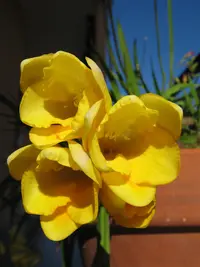
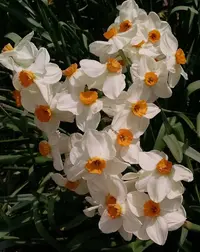
Kleinkaroo Kammetjie, Freesia refracta, is a small bulb-forming plant grown mainly for its fragrant, funnel-shaped flowers. It usually produces slender, arching stems with narrow, sword-like leaves.
This species is native to South Africa, especially drier regions, where it grows in well-drained, often sandy soils. In cultivation, it is valued for its strong, sweet scent and clear, bright flower colors.
The plant is moderately easy to grow if its seasonal cycle is respected, with a dry rest period after flowering. Understanding how to care for Kleinkaroo Kammetjie becomes easier once its need for bright light, good drainage, and careful watering is recognized.

Care Difficulty
Moderate Care

Light Preference
Full Sun

Water Requirements
Moderate Water

Temperature Preference
Tropical / Frost Sensitive

Hardiness Zone
9–11

Soil Texture
Sandy, Loamy, Organic-rich

Soil pH
Acidic (5.5–6.5), Slightly acidic (6.5–7.0)

Soil Drainage
Well-drained

Fertilization
Light (every 4–6 weeks)
Scan your plant to receive care tips personalized for your specific plant
Available on iOS and Android
Freesia refracta needs bright, direct sun for strong flowering and compact growth.
Watering for this bulb must balance steady moisture in growth with dryness in dormancy.
Temperature strongly influences flowering quality and bulb survival for this species.
This bulb prefers moderate humidity but usually copes well with typical indoor air.
This species needs airy, sharply drained soil to keep the corms healthy and prevent rot.
This species is well suited to container growing, especially for seasonal displays on patios or balconies.
Freesia refracta benefits from modest, targeted feeding to support flowering without forcing soft, weak growth.
Pruning needs for Freesia refracta are minimal and focus on maintaining bulb strength and plant tidiness.
Freesia refracta corms are usually grown in shallow containers or beds and benefit from periodic lifting and replanting rather than frequent repotting.
Freesia refracta is most commonly propagated from corm offsets, with seeds used mainly for breeding or larger-scale production.
Freesia refracta has limited frost tolerance and needs specific winter handling in regions with cold or wet winters.

Plant Health Check
Not sure what's wrong with your plant? Check your plant's health inside the app.
This species is one of the classic sources of the perfume note called freesia, with a high content of linalool and related aroma compounds that create its sweet, citrusy fragrance often analyzed and replicated in fragrance chemistry.
Its floral tube is sharply bent, or refracted, which is the origin of the species name refracta and positions the flowers to better present nectar and pollen to visiting insects in its native South African habitats.
In the wild it grows during the cool, moist South African winter and survives the hot, dry summer as a dormant corm, an adaptation to the Mediterranean-type climate of the Western Cape.

Early hybrid freesia cultivars widely grown today trace much of their fragrance profile back to Freesia refracta, which was used extensively in 19th- and early 20th-century breeding work to introduce strong scent into ornamental freesia lines.
This species usually blooms in late winter to early spring, depending on climate and planting time. Flowering typically lasts 3–6 weeks, with individual blooms holding for about 5–10 days in mild, stable conditions.
Keep your plants happy and healthy with plant identification, disease detection, and easy care guidance.