Dilated Scalewort Care (Frullania dilatata)

Dilated Scalewort

About Dilated Scalewort

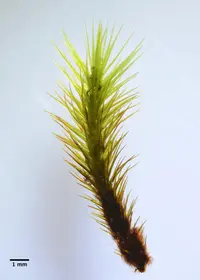
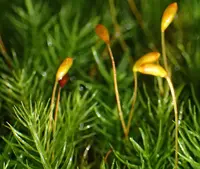
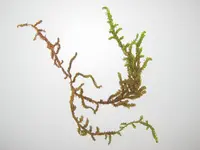
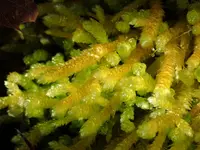
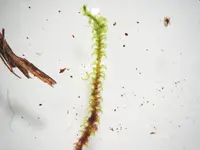
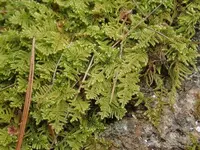
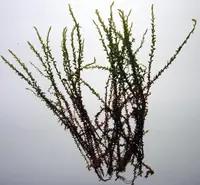
Dilated scalewort, Frullania dilatata, is a small leafy liverwort rather than a true moss. It forms dense, often reddish-brown mats of tiny overlapping leaves. The plant typically grows on tree bark, rocks, and old walls in cool, humid climates across Europe and parts of North America.

Its creeping habit and very fine texture make it interesting for terrariums and specialized moss gardens, though it is more delicate than many mosses. It prefers constant moisture, clean air, and shade, so stable conditions are important if you want to learn how to care for Dilated Scalewort.

Frullania dilatata is slow to establish and sensitive to drying out, which makes it better suited to patient growers who can provide a protected, humid environment.

Main Plant Requirements

Care Difficulty

Hard Care

Light Preference

Shade

Water Requirements

Keep Soil Moist

Temperature Preference

Cool Climate

Hardiness Zone

5–8

Soil Texture

Rocky, Organic-rich, Peaty

Soil pH

Strongly acidic (4.5–5.5)

Soil Drainage

Moist but well-drained

Fertilization

Minimal (feed rarely)

Get Personalized Care Plan

Scan your plant to receive care tips personalized for your specific plant

Available on iOS and Android

How to Care for the Dilated Scalewort

This small epiphytic liverwort prefers cool, shaded woodland light rather than direct sun exposure.

  • Provide bright, dappled shade with no more than 1–2 hours of weak early-morning sun; avoid direct midday or afternoon sun, which can scorch and desiccate shoots.
  • Allow growth on shaded tree bark, rocks, or masonry where it receives filtered light through a canopy most of the day, mimicking natural forest conditions for Dilated Scalewort.
  • Watch for pale, crispy patches as a sign of excess light, or thin, sparse mats as an indicator of too-deep shade; adjust position seasonally as leaf cover changes.

This bryophyte relies on frequent surface moisture rather than deep soil watering.

  • Keep the substrate or host surface evenly moist but not waterlogged, allowing it to become just lightly damp rather than fully dry between mistings or gentle rinses.
  • Increase moisture in warm or windy weather with fine misting once the surface feels almost dry; reduce frequency in cool, still conditions to limit prolonged saturation.
  • Watch for limp, brittle fronds as a sign of underwatering and dark, slimy patches or algae growth as signs of overwatering or poor drainage around Frullania dilatata.

This species is adapted to cool, temperate climates and tolerates a fairly wide outdoor temperature range.

  • Aim for active growth in cool to mild conditions around 45–65°F (7–18°C), typical of shaded woodland and humid ravines.
  • Tolerate short dips near 23–28°F (-5 to -2°C) when attached to bark or rock, but prolonged hard frost and drying winds increase tissue damage risk.
  • Protect from sustained heat above 77–86°F (25–30°C) by ensuring constant shade and high humidity, since high temperatures combined with low moisture quickly desiccate the mats.

This small liverwort needs constantly moist, high-humidity air to remain healthy.

  • Aim for 70–90% humidity, as air-drying quickly damages its thin leaf-like lobes.
  • Crisping, curling, or whitening of the pads signals humidity stress and desiccation.
  • Raise humidity by placing culture boxes in closed terraria or covered trays with damp sphagnum, avoiding direct mist on the plant.

This epiphytic liverwort grows best on a thin, well-aerated, organic surface rather than conventional potting soil.

  • Use a shallow layer of finely milled bark, leaf litter, and a little sphagnum moss over inert support such as cork or hardwood bark.
  • Keep the substrate loose and fibrous so water drains off rapidly but surfaces stay evenly damp, never soggy.
  • A slightly acidic environment around pH 5.0–6.0 suits Frullania dilatata and discourages lime buildup on delicate tissues.
  • Avoid dense peat-based mixes, heavy compost, or any soil that stays waterlogged or forms a crust as it dries.

This species can be grown in small containers or terraria when kept on a thin, moist substrate surface rather than buried in soil.

  • Choose wide, shallow dishes or culture boxes so the mat can spread laterally without deep wet pockets forming.
  • Use inert mounts like cork slabs set inside the container to keep the colony above any standing water layer.
  • Cover the container or use a terrarium lid to stabilize humidity while still allowing limited air exchange through small vents.

Frullania dilatata is a tiny epiphytic liverwort that generally needs no fertilizer when growing on nutrient-rich bark or stone outdoors.

  • If container grown, use a very dilute balanced liquid NPK fertilizer at 1/8–1/4 strength during spring–summer only.
  • Apply no more than once every 4–6 weeks to avoid salt buildup and tissue burn.
  • Skip feeding entirely in autumn–winter, when growth slows and nutrient demand is low.
  • If growth looks stressed after feeding, flush the substrate with clean, soft water to remove excess salts.

Frullania dilatata needs minimal pruning, mainly to maintain a healthy, even mat.

  • Best time for light trimming is mid to late spring, once new growth is visible and active.
  • Gently pinch or cut away dead, browned, or detached shoots using fine scissors or tweezers.
  • Remove overcrowded patches to improve air flow and reduce moisture stagnation on the mat surface.
  • Careful shaping encourages a denser, more uniform cushion without damaging the underlying substrate.

This liverwort is most often managed by transplanting small patches rather than traditional repotting.

  • Transplant when the mat overgrows its host surface, dries too quickly, or growth becomes patchy and thin.
  • Best timing is in cool, moist conditions of early spring or early autumn to reduce desiccation stress.
  • Typical frequency is low; many patches can grow undisturbed for several years on stable bark or rock.
  • Lift small sections with attached substrate, then press gently onto the new moist surface to ensure close contact and rapid reattachment.

Propagation of Frullania dilatata relies mainly on division of existing mats rather than spores in home settings.

  • Best season is early spring or early autumn, when ambient humidity is high and temperatures are mild.
  • Gently tear or cut the mat into small fragments, each carrying healthy, hydrated shoots.
  • Press fragments onto rough, moist bark, rock, or inert substrate so rhizoids can anchor firmly.
  • Maintain constant high humidity and soft, low-mineral water until new spreading growth becomes visible.

This species is quite cold hardy in its native range and usually needs little specific winter care outdoors.

  • In regions with severe freeze–thaw cycles, keep host bark or stone from drying out completely on sunny winter days.
  • Container-grown patches should be moved to a cold, frost-free but bright shelter once temperatures drop below about 20°F.
  • Avoid heavy mulches that smother the thin mats; instead focus on stable moisture and shaded exposure.

Care Tips

Mimic bark texture

Attach the liverwort to rough, natural bark slabs or cork rather than smooth plastic or glass so rhizoids can anchor securely and form a dense, even mat.

Use soft rainwater

Collect rainwater or use filtered, low-mineral water in a fine mist sprayer to reduce salt buildup on the tiny leaves and maintain healthy growth.

Provide lateral airflow

Set a small, indirect fan on a very low setting to move air gently across the colony, which discourages mold growth while preventing the plant from drying out too fast.

Seasonal moisture shift

In cooler months allow the surface to approach slight dryness between misting sessions to mimic natural seasonal fluctuation and reduce risk of fungal issues when growing Dilated Scalewort.

Quarantine new hosts

Before mounting this species onto new bark or branches, keep the host material in a separate container for 2–3 weeks to monitor for mites, springtails, or fungal contamination that could spread into the colony.

Common Pests and Diseases

Fungal leaf spot

This disease causes small dark or translucent patches on the leafy lobes and shoots, often merging into irregular dead areas in persistently wet conditions. Symptoms include thinning cushions and a dull, uneven color to the normally tight mats.

Solution

Improve air movement around the colony, avoid constant overhead wetting, and gently remove and discard heavily affected patches with tweezers. In outdoor or terrarium culture, reduce misting frequency, keep nearby surfaces cleaner and drier, and if needed apply a very dilute sulfur- or copper-based fungicide as a spot treatment, avoiding run‑off onto surrounding mosses and liverworts.

Algal overgrowth

This problem appears as a smooth green, often slightly slimy film covering the liverwort surface under strong light and constant moisture. Symptoms include reduced texture visibility and a decline in new shoot formation as the algal layer shades the plant.

Solution

Reduce light intensity slightly, increase air circulation, and allow the surface to dry very lightly between mistings while still keeping the substrate moist. Gently rinse or brush off the algal film with soft water, shorten watering duration, and if in a container, consider repositioning to a cooler, less exposed spot to prevent regrowth.

Slugs and snails

These animals feed on tender shoots and lobes, leaving irregular missing patches, slime trails, and ragged colony edges, especially in damp, shaded outdoor sites. Symptoms include sudden thinning of mats and fresh damage after wet nights.

Solution

Hand-pick slugs and snails in the evening or early morning, and use physical barriers such as copper tape or rough gravel around trays or stone features supporting the liverwort. In garden settings, reduce hiding places like dense debris near colonies and, if necessary, use pet-safe iron phosphate bait placed away from the main mats to lower local populations.

Springtail overpopulation

These insects are usually harmless decomposers but can become problematic in very closed, saturated terrariums, where high numbers may graze young tissue and disturb delicate mats. Symptoms include constant tiny jumping insects on the substrate and slow, patchy establishment of new growth.

Solution

Increase ventilation slightly, reduce constant surface saturation, and remove excess decaying organic matter from the substrate. If numbers remain high, temporarily move the colony to a better-aerated container, flush the substrate gently with soft water, and reintroduce the plant to a setup with more balanced moisture and airflow as part of general Frullania dilatata care.

Interesting Facts

Tiny two-layer leaves

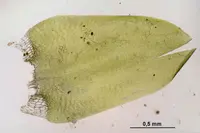
This liverwort has highly specialized leaves made of two parts: a larger dorsal lobe that lies flat on the substrate and a smaller ventral lobe that folds underneath, forming tiny helmet-like sacs that help trap and retain moisture on bark surfaces.

Strong bark specialist

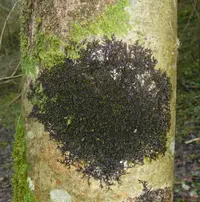
It grows mainly as an epiphyte on tree bark, especially on rough-barked oaks and other deciduous trees in temperate Europe, forming dense reddish-brown mats that can strongly influence local bark microclimate.

Sensitive air-quality indicator

This species is known to decline in areas with strong air pollution, particularly sulfur dioxide, so its presence and abundance have been used in lichen and bryophyte surveys as a bioindicator of cleaner forest and woodland air conditions.

Botan icon

Did you know?

In parts of Europe, genetic and chemical studies have shown that populations once all called Frullania dilatata actually include several closely related but distinct taxa, so this familiar bark liverwort has played a key role in revealing hidden, or cryptic, species diversity in bryophytes.

FAQs about Dilated Scalewort

This liverwort performs best outdoors or in very cool, humid terrarium-style setups. It prefers shaded bark, rock, or mossy surfaces with constant moisture and airflow, so typical warm, dry indoor rooms are usually unsuitable for long-term health.

Grow Healthy Plants with Botan Care

Keep your plants happy and healthy with plant identification, disease detection, and easy care guidance.

Botan plant care app — identify plants on mobile

Explore More Plants