pyrrhobryum moss Care (Pyrrhobryum spiniforme)

pyrrhobryum moss

About pyrrhobryum moss

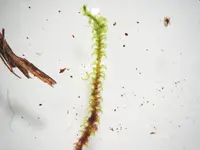
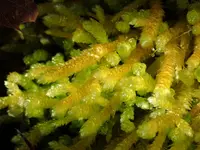
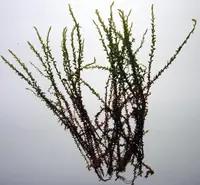
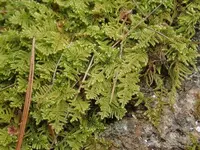
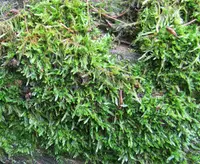
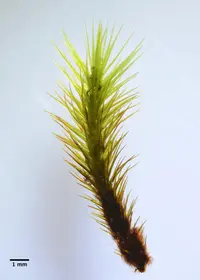
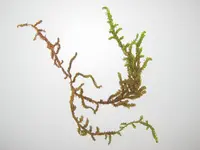
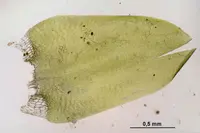
Pyrrhobryum spiniforme is a large, terrestrial moss that forms dense, lush carpets with upright, bristly stems and fine, overlapping leaves. It often appears deep green to slightly bronze, giving a forest-floor look.

This moss naturally occurs in humid, shaded forests, frequently on soil, rocks, or rotting wood, especially in tropical and subtropical regions. It prefers consistently moist conditions and stable humidity, which can make it a bit demanding indoors.

Light shade, gentle air movement, and a loose, moisture-retentive substrate help care for pyrrhobryum moss and keep its cushions dense and healthy.

Main Plant Requirements

Care Difficulty

Moderate Care

Light Preference

Partial Shade

Water Requirements

Keep Soil Moist

Temperature Preference

Warm Climate

Hardiness Zone

Unknown

Soil Texture

Peaty, Organic-rich, Loamy

Soil pH

Strongly acidic (4.5–5.5), Acidic (5.5–6.5)

Soil Drainage

Moist but well-drained

Fertilization

Minimal (feed rarely)

Get Personalized Care Plan

Scan your plant to receive care tips personalized for your specific plant

Available on iOS and Android

How to Care for the pyrrhobryum moss

This moss thrives with bright, indirect light that mimics filtered forest conditions.

  • Provide 3–5 hours of soft morning sun with dappled or filtered light for the rest of the day; avoid harsh midday and afternoon sun that can scorch and dry cushions.
  • Tolerates partial to full shade, but dense shade reduces growth density and color, so aim for shifting light under trees or beside rocks.
  • In summer, protect pyrrhobryum moss from reflective surfaces and prolonged direct sun; in winter, slightly brighter exposure helps offset short days.

This species prefers consistently moist conditions without prolonged waterlogging.

  • Aim for a substrate that feels evenly damp when pressed; never let it dry to a crisp, but surface can be just barely moist between light mistings or gentle soaks.
  • Increase watering when weather is warm, dry, or windy, using visual cues such as dull, slightly curled shoots as a sign it needs rehydration.
  • Reduce watering in cool, wet seasons, watching for yellowing, mushy patches or sour smell as indicators of overwatering and poor drainage.

This moss is adapted to mild, humid climates with limited temperature extremes.

  • Optimal growth occurs around 55–75°F (13–24°C), with steady moisture and shade helping it tolerate modest daily fluctuations.
  • It generally tolerates brief drops to about 32°F (0°C), but repeated hard frosts and freezing winds can desiccate and damage exposed cushions.
  • Heat above 86°F (30°C), especially with low humidity and direct sun, increases stress, so provide extra shade and moisture during hot, dry periods.

This moss needs consistently high humidity to stay lush and actively growing.

  • Aim for 70–95% humidity, using a closed terrarium, greenhouse cabinet, or covered tray to trap moisture.
  • Tolerates only brief dips into drier air; edges turning brown or fronds crisping indicate humidity stress.
  • Increase humidity with daily fine misting, moist sphagnum around the base, and shallow water trays that do not submerge the colony.

Provide a moist, airy, organic substrate that mimics damp forest or streamside conditions.

  • Use a mix of finely shredded bark, leaf litter, and sphagnum moss over a base of rinsed sand or small gravel for structure.
  • Ensure excellent drainage so water can pass through quickly while the upper layer remains evenly moist, not waterlogged.
  • Keep pH slightly acidic to neutral (pH 5.5–7.0), avoiding limed or strongly alkaline materials that can inhibit Pyrrhobryum spiniforme.
  • Improve aeration by mixing in coarse sand or fine pumice and avoid heavy, compacted garden soil or dense peat-only substrates.

This species can grow successfully in shallow containers or terrariums when moisture and airflow are balanced.

  • Choose wide, shallow trays to support its creeping carpet growth and prevent thick, suffocating layers.
  • Select glass or glazed ceramic containers when higher moisture retention is needed, but ventilate periodically to limit stagnant air.
  • Elevate the container and use a drainage layer so runoff can escape quickly and the moss never sits directly in pooled water.

This moss gains most nutrients from water and substrate, so added fertilizer is only lightly beneficial in culture.

  • If growth is pale or stalled, use a very dilute balanced NPK liquid (1/8–1/4 strength) during active growth.
  • Apply no more than every 4–6 weeks in spring–summer, always after pre-wetting the moss pad.
  • Avoid slow-release pellets; use fine compost extract or rainwater leachate instead for caring for pyrrhobryum moss.
  • Stop feeding in fall–winter to prevent salt buildup and tissue burn.

Pyrrhobryum spiniforme needs only light grooming to stay dense and healthy in cultivation.

  • Trim browned, damaged, or algae-covered tips with fine scissors during active growth, usually spring or early summer.
  • Remove overcrowded clumps to maintain air flow and an even cushion shape.
  • Lift and discard debris, fallen leaves, and decaying material that can encourage mold or rot.
  • Use clean, sharp tools and avoid crushing the delicate shoots to limit stress and infection risk.

This moss is usually transplanted as mats rather than traditionally repotted.

  • Transplant when mats detach easily, growth becomes patchy, or the substrate compacts and drains poorly.
  • Best timing is cool, moist weather in spring or early fall to reduce desiccation stress.
  • Expect to move or refresh cultivated patches every 1–3 years, depending on substrate stability.
  • Lift mats gently, place on fresh, clean, acidic substrate, press lightly, then keep evenly moist and shaded for 2–3 weeks.

Pyrrhobryum spiniforme is commonly propagated vegetatively rather than from spores in home culture.

  • Divide healthy mats into small sections in spring or early fall when conditions are cool and humid.
  • Press divisions firmly onto a stable, acidic, moist substrate such as rock, bark, or low-nutrient mix.
  • Maintain constant, gentle moisture with soft water and provide bright shade, avoiding direct sun.
  • Minimize handling after placement so rhizoids can anchor and new shoots can extend.

This moss is generally cold hardy and needs minimal winter care in most temperate climates.

  • In-ground patches usually tolerate light to moderate frost when kept evenly moist but not waterlogged.
  • For container cultures, move trays to a shaded, frost-free but cool spot if prolonged hard freezes are expected.
  • Avoid insulating with heavy mulch that stays soggy, which can encourage rot and smother cushions.

Care Tips

Anchor To Substrate

Press small clumps firmly onto rough, stable surfaces such as lava rock, hardwood, or textured bark, then secure with nylon fishing line or plastic mesh for 4–6 weeks until rhizoids grip on their own.

Use Rain Or RO

Collect rainwater or use reverse-osmosis (RO) water for misting and flushing, especially in hard-water areas, to reduce mineral buildup that can cause browning and patchy dieback over time.

Periodic Rinse Cycles

Every 2–4 weeks, gently rinse the colony with soft, room-temperature water to wash away dust, algae film, and accumulated salts, then let it drain fully to keep leaf surfaces clean and photosynthesizing efficiently.

Shaded Air Circulation

Provide light but steady airflow from a small fan set on low and indirect, which keeps the moss surface fresh and discourages mold without causing desiccation.

Sectional Harvesting

If using this moss decoratively, harvest only small patches from the thickest, healthiest areas and rotate collection spots, allowing at least one full growing season for each zone to regrow before cutting again.

Common Pests and Diseases

Slime mold colonization

This disease involves opportunistic slime molds forming gray, white, or yellowish patches or cushions over the moss cushions, especially in very wet, stagnant conditions. Symptoms include patchy discoloration, surface crusting, and slowed regrowth where the mold is thickest.

Solution

Gently rinse affected cushions with clean, low-mineral water and physically remove thicker slime mold mats with tweezers or a soft brush, taking care not to tear the moss. Reduce standing water, improve air movement, and slightly lower moisture levels until the surface looks clean and the moss resumes active growth, especially in enclosed setups for pyrrhobryum moss indoor care.

Algal overgrowth

This disease presents as smooth, green, often shiny films or slimy layers that coat the moss surface in bright, constantly wet sites. Symptoms include loss of the moss’s fine texture, reduced photosynthesis, and yellowing or thinning of the underlying shoots.

Solution

Manually wipe or gently brush off algae films under running water, then shorten exposure to direct artificial light and reduce nutrient input from fertilizers or runoff. Improve drainage and keep the moss moist but not waterlogged to favor moss growth over algae dominance.

Springtail overpopulation

These insects are tiny, white to gray, jumping arthropods that thrive in very moist moss substrates and enclosed terraria. This pest usually feeds on decaying material but can disturb fine rhizoids and young shoots when populations are excessive.

Solution

Lower overall moisture slightly and increase ventilation to push conditions away from constant saturation, which slows reproduction. Manually remove clusters with a fine mesh net or sticky traps, and, if needed, introduce small predatory mites sold for terrarium use to rebalance the microfauna without chemicals.

Fungal leaf blight

This disease appears as scattered brown to almost black patches on moss shoots that spread under cool, wet, stagnant air, often from airborne fungal spores. Symptoms include localized dieback of cushions, with brittle, darkened stems among otherwise green growth.

Solution

Trim and discard affected tufts, then flush the area with clean water to remove loose spores. Increase airflow, avoid overhead splashing that keeps foliage wet for long periods, and, in severe or recurring cases, use a diluted biological fungicide labeled as safe for mosses, testing first on a small patch.

Interesting Facts

Giants among mosses

This species can form unusually tall, robust shoots for a moss, often creating thick, cushion-like clumps on rock and soil in humid forests across tropical and subtropical regions.

Preference for wet rock

It commonly colonizes constantly moist, shaded rock faces near streams and waterfalls, where flowing water and high humidity support its dense, spiny-looking mats.

Indicator of humid forests

Its presence often signals stable, cool, and humid microclimates in forested ravines and gorges, so bryologists use it as a field clue to long-term moisture conditions.

FAQs about pyrrhobryum moss

This species usually performs better outdoors in cool, humid, shaded environments with constant surface moisture. Indoors it can survive in specialized terrariums or paludariums only if humidity, airflow, and substrate moisture are controlled very carefully using precise Pyrrhobryum spiniforme care.

Grow Healthy Plants with Botan Care

Keep your plants happy and healthy with plant identification, disease detection, and easy care guidance.

Botan plant care app — identify plants on mobile

Explore More Plants