scorpidium moss Care (Scorpidium scorpioides)

Also known as: hooked scorpion-moss, sausage moss
scorpidium moss

About scorpidium moss

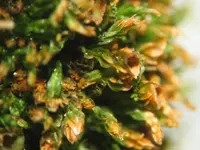
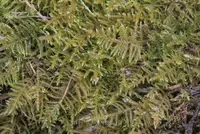
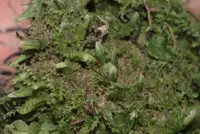
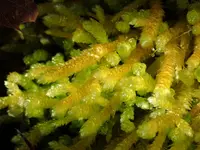
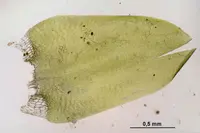
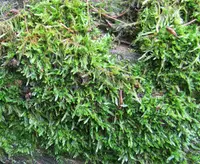
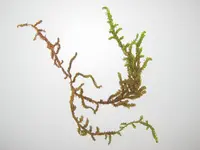
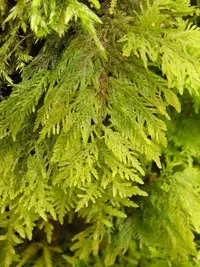
Scorpidium scorpioides, commonly called scorpidium moss, is a semi-aquatic moss that forms loose, glossy mats in nutrient-rich, wet habitats. It often appears yellow-green to brownish, with curved, tail-like shoots that give it a distinctive look.

This moss is typically found in fens, boggy margins, and slow-moving waters across cooler regions of the Northern Hemisphere. It prefers constant moisture, clean water, and stable, cool conditions, which can make it less forgiving than common terrarium mosses.

Those who want to learn how to care for scorpidium moss should know that it responds best to soft, slightly mineral-rich water, gentle light, and undisturbed, permanently wet substrates.

Main Plant Requirements

Care Difficulty

Hard Care

Light Preference

Partial Shade

Water Requirements

Aquatic

Temperature Preference

Cold Hardy

Hardiness Zone

2–7

Soil Texture

Silty, Peaty, Organic-rich

Soil pH

Strongly acidic (4.5–5.5)

Soil Drainage

Waterlogged tolerant

Fertilization

Minimal (feed rarely)

Get Personalized Care Plan

Scan your plant to receive care tips personalized for your specific plant

Available on iOS and Android

How to Care for the scorpidium moss

This moss prefers cool, consistently moist habitats with soft, indirect light.

  • Provide bright, filtered light or light shade, such as dappled woodland light or marshy sites with 2–4 hours of gentle morning sun.
  • Shelter scorpidium moss from strong midday and afternoon sun, which can dry and bleach the cushions, especially during warm, windy weather.
  • In summer, increase shading if fronds look pale or crisp at the tips; in winter, allow more open light where possible, avoiding deep, sunless shade.

This species is adapted to waterlogged, nutrient-poor wetlands and needs constantly moist conditions.

  • Aim for saturated but not fast-flowing water; the substrate should never dry out, even at the surface, mimicking bog or fen conditions.
  • Watch for underwatering signs such as shrinking, brittle cushions and brown tips, and for overwatering issues only if water becomes stagnant and foul-smelling without any movement.
  • In hot, dry weather, increase water availability or maintain a higher water table, while in cooler seasons focus on stable moisture rather than extra volume.

This moss prefers cool to mild conditions and tolerates cold better than heat.

  • Optimal growth occurs around 45–65°F (7–18°C), typical of cool wetlands and fens with steady moisture and limited temperature swings.
  • It tolerates drops near 25–32°F (-4–0°C) if submerged or consistently moist, but exposed cushions can suffer damage from repeated hard frosts without snow or water cover.
  • Extended exposure above 77°F (25°C), especially with low humidity, can stress plants; provide shade and ample moisture during heat waves to limit overheating and desiccation.

This moss demands consistently high humidity to stay hydrated and photosynthesize efficiently.

  • Aim for 80–100% humidity, using a terrarium, closed tray, or greenhouse cabinet to maintain saturated air.
  • It tolerates only brief exposure to dry air; fronds crisp, curl, or fade dull green when humidity drops.
  • Increase humidity by keeping water just below the substrate surface, adding a clear cover, and grouping other moist containers nearby.

This species prefers permanently wet, fine-textured, calcareous substrate rather than typical potting soil.

  • Use a base of fine sand or silt mixed with 30–50% peat or sphagnum, kept fully saturated but not scoured by flowing water.
  • Maintain very slow drainage with a constant shallow water table, mimicking bog or fen edges for Scorpidium scorpioides.
  • Target a neutral to slightly alkaline pH (around 7.0–7.5) by adding a small amount of crushed limestone or dolomite chips.
  • Avoid coarse, fast-draining mixes, high-organic compost, or any substrate that dries out between waterings, as this quickly kills the moss.

This moss can be grown in shallow containers if constant water level and stability are carefully controlled.

  • Select a wide, shallow tray to maximize horizontal spread while keeping a uniform thin water layer over the substrate.
  • Raise the container inside a larger watertight tray to create a controllable external reservoir that buffers water-level swings.
  • Choose rigid plastic or glazed ceramic to limit evaporation through the walls and keep the saturated substrate from drying at the edges.

This moss is adapted to low-nutrient wetlands and usually performs best without added fertilizer.

Scorpidium scorpioides needs almost no pruning, since old shoots naturally break down and are replaced by new growth.

Transplanting is mainly relevant when establishing or relocating patches in controlled wetland-style setups.

  • Move small carpet sections when growth thins, containers flood poorly, or the substrate becomes compacted or contaminated.
  • Transplant in cool, moist weather, keeping clumps constantly wet to prevent desiccation stress.
  • Lift shallow mats gently with a spatula or hand, preserving attached substrate and rhizoids.
  • Re-set onto saturated, low-nutrient, calcareous medium and keep water levels steady until growth resumes.

Most Scorpidium scorpioides propagation relies on simple division and re-anchoring of existing mats.

  • Split healthy cushions into small clumps with intact rhizoids in spring or early autumn.
  • Lay clumps on saturated, calcareous, low-nutrient substrate in trays or bog beds.
  • Maintain constant moisture with clean, cool, low-nutrient water and bright, indirect light.
  • Avoid covering with soil; allow shoots to anchor naturally as they extend.

This cold-hardy moss tolerates freezing conditions and usually needs no special winter care in outdoor bog or wetland plantings.

Care Tips

Use Rainwater Trays

Set shallow trays or saucers filled with rainwater or distilled water around the moss mat so it can wick moisture laterally, which mimics its natural fen habitat and keeps hydration more stable than top-watering alone.

Create Microtopography

Arrange small, inert stones or ridges of substrate to form slight hollows and hummocks, then establish the moss in the shallow, wetter zones to encourage denser, more natural cushion formation and reduce desiccation of new growth.

Monitor Water Chemistry

Use simple aquarium test strips every few weeks to check pH and hardness of the water source, keeping it slightly alkaline and low in contaminants, and adjust by mixing in more rainwater if values drift outside the desired range.

Prevent Algal Overgrowth

Limit direct nutrient input to the water and periodically siphon off surface scum or green film with a small tube or turkey baster so light and gas exchange at the moss surface remain unobstructed.

Seasonal Light Adjustment

In summer, provide brief shading during the brightest midday period with shade cloth or a sheer screen over outdoor trays, then gradually increase light exposure again in cooler months to maintain compact, healthy growth when growing scorpidium moss.

Common Pests and Diseases

Water pollution stress

Symptoms include yellowing, thinning carpets, and local dieback when water becomes enriched with nutrients, road salt, or agricultural runoff. This problem is common because the species is adapted to low-nutrient, clean, calcium‑rich water and reacts poorly to chemical changes.

Solution

Reduce or remove the source of pollution by avoiding fertilizers, pesticides, detergents, or de‑icing salts near the water body, and perform partial water changes with clean, low‑nutrient water. In controlled culture, use rainwater or reverse‑osmosis water with only minimal mineral supplementation and maintain very gentle, continuous water movement to dilute contaminants.

Algal overgrowth

This pest appears as green, brown, or filamentous algae coating the moss cushions in still or nutrient‑enriched water, blocking light and gas exchange. Over time, the moss weakens, loses its fine structure, and sections may detach.

Solution

Lower light intensity, increase gentle water movement, and reduce nutrient inputs such as fish waste, excess plant food, or decomposing organic debris. Manually remove visible algae, siphon out loose material, and keep water clear with regular small water changes instead of using broad‑spectrum algicides that can also damage the moss.

Smothering filamentous algae

These algae form long strands that tangle around the shoots, trapping silt and shading the plant. This growth pattern is typical in slow‑moving, mineral‑rich water when nutrient levels rise above the moss’s tolerance.

Solution

Carefully wind or pull off strands by hand or with tweezers, lifting them away from the cushions without tearing the stems. To prevent regrowth, decrease dissolved nutrients by limiting organic inputs, increasing partial water changes, and maintaining steadier, cooler water conditions appropriate for Scorpidium scorpioides care.

Invertebrate grazing damage

This pest issue is caused by snails, amphipods, or other small invertebrates that feed on tender shoot tips, leaving ragged edges, missing tips, or thin, uneven patches. Grazing pressure can be high in nutrient‑rich ditches, ponds, or small culture containers.

Solution

Manually remove larger grazers such as snails, reduce fish or livestock feed inputs that support grazer populations, and provide alternative plant material such as faster‑growing submerged plants if necessary. In artificial setups, use fine mesh or physical barriers to limit access and maintain lower stocking densities of grazing invertebrates.

Interesting Facts

Calcium-rich fen specialist

This moss is restricted to minerotrophic fens and spring-fed wetlands with hard, calcium-rich water, where few other mosses can compete successfully.

Distinctive scorpion-like shoots

Its curved, ascending branch tips resemble a scorpion tail, a trait that inspired both its genus name Scorpidium and species name scorpioides.

Important peat-forming moss

In boreal and subarctic regions, dense carpets of this species help build fen peat layers by trapping fine sediments and slowly accumulating dead plant material under waterlogged, low-oxygen conditions.

Botan icon

Did you know?

This moss is widely used by ecologists and wetland managers as an indicator species for calcareous rich-fen habitats, so its presence often signals high conservation value and relatively undisturbed groundwater conditions.

FAQs about scorpidium moss

This species performs best outdoors in cool, consistently wet, lime-rich environments such as fens or bog gardens. Indoors it is difficult to keep adequately saturated and aerated, so long‑term success under typical household conditions is rare.

Grow Healthy Plants with Botan Care

Keep your plants happy and healthy with plant identification, disease detection, and easy care guidance.

Botan plant care app — identify plants on mobile

Explore More Plants