Use stable substrate
Establish colonies on rough, stable surfaces like decaying hardwood, bark slabs, or unglazed stone so the tiny rhizoids can anchor well and the cushions stay intact during misting and handling.

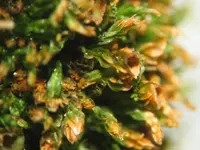
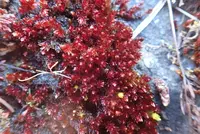
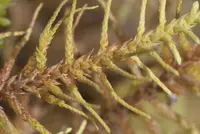
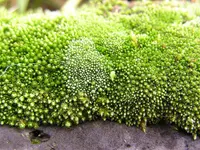
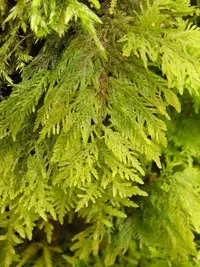
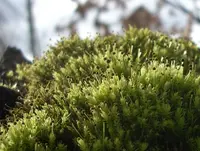
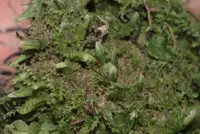
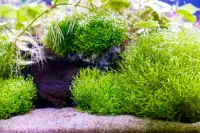
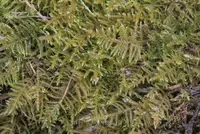
Tetraphis pellucida, often called tetraphis moss, is a small acrocarpous moss that forms dense, bright green cushions or patches. It usually grows on decaying wood, rotting stumps, and shaded soil in cool, moist forests of North America and parts of Europe. Its shoots are upright with tiny, leaflike structures that create a soft, textured surface, making it useful for naturalistic terrariums and moss gardens. The species spreads slowly and stays compact, so it rarely becomes invasive in controlled settings. Tetraphis moss prefers constant moisture, cool to mild temperatures, and low to medium light. These traits make it moderately easy to care for tetraphis moss if humidity and shade are maintained.

Care Difficulty
Moderate Care

Light Preference
Shade

Water Requirements
Keep Soil Moist

Temperature Preference
Cool Climate

Hardiness Zone
3–8

Soil Texture
Loamy, Silty, Organic-rich

Soil pH
Strongly acidic (4.5–5.5), Acidic (5.5–6.5)

Soil Drainage
Moist but well-drained

Fertilization
Minimal (feed rarely)
Scan your plant to receive care tips personalized for your specific plant
Available on iOS and Android
This small moss favors cool, shaded forest conditions with very gentle light.
Water needs center on constantly moist, not stagnant, conditions on its substrate.
This species is adapted to cool, temperate woodland climates and dislikes extreme heat or severe frost.
This moss prefers consistently moist, humid air similar to a damp forest floor.
Tetraphis pellucida thrives on moist, loose, organic-rich substrates rather than dense potting soils.
This species is well suited to shallow containers, trays, or terrariums that hold surface moisture.
This moss typically grows well on low-nutrient substrates, so only light, indirect feeding is suitable for Tetraphis pellucida.
Pruning needs are minimal for Tetraphis pellucida, but minor grooming keeps cushions dense and healthy.
This species is usually grown as a ground or substrate cover, so transplanting the mat is more common than classic repotting.
Tetraphis pellucida is most often propagated vegetatively by dividing or relocating small moss patches.
This moss is cold hardy in temperate climates and usually needs little specific winter care outdoors.

Plant Health Check
Not sure what's wrong with your plant? Check your plant's health inside the app.
This moss often forms nearly pure, dense patches on decaying logs and stumps in cool forests, where most shoots are genetically identical clones spreading from a common base.
It produces shallow, cup-like structures at shoot tips that hold tiny asexual propagules called gemmae, which allow local colonization without the need for spores.
In temperate forests it is an early colonizer of rotting wood, helping stabilize moist, decomposing substrates and paving the way for later moss and liverwort species.

This species is known for having populations that are often either mainly sexual (with abundant sporophytes) or mainly asexual (with numerous gemma cups), making it a classic model organism in bryology for studying how reproductive strategies vary with habitat conditions.
Growth is relatively slow and low to the ground. In suitable, consistently moist conditions, new patches can expand a few millimeters to about 1 cm per year, mainly by spreading shoots and small fragments rather than true roots.
Keep your plants happy and healthy with plant identification, disease detection, and easy care guidance.