New York Scalewort Care (Frullania eboracensis)

New York Scalewort

About New York Scalewort

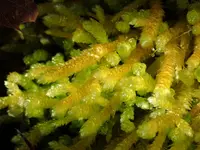
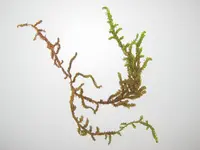
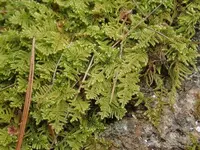
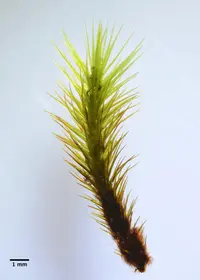
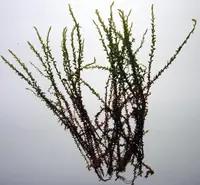
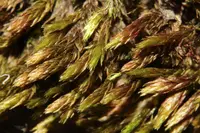
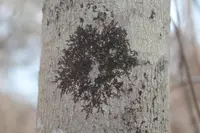
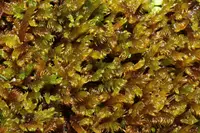
New York scalewort, Frullania eboracensis, is a small leafy liverwort rather than a typical flowering plant. It forms dense, flat mats that cling tightly to bark, rocks, or old wood. The tiny overlapping leaves give it a scaled or shingled look, often in dark green to brownish tones.

This species is native to temperate regions of North America and is often found in humid forests with clean air and stable moisture. It is sensitive to drying out and air pollution, which makes it more challenging to maintain indoors or in exposed spots. Anyone wanting to care for New York Scalewort should focus on cool conditions, constant moisture, and a stable, shaded microclimate.

Main Plant Requirements

Care Difficulty

Hard Care

Light Preference

Shade

Water Requirements

Keep Soil Moist

Temperature Preference

Cool Climate

Hardiness Zone

Unknown

Soil Texture

Rocky, Peaty, Organic-rich

Soil pH

Strongly acidic (4.5–5.5), Acidic (5.5–6.5)

Soil Drainage

Moist but well-drained

Fertilization

Minimal (feed rarely)

Get Personalized Care Plan

Scan your plant to receive care tips personalized for your specific plant

Available on iOS and Android

How to Care for the New York Scalewort

This small epiphytic liverwort prefers cool, shaded forest conditions with gentle, filtered light.

  • Provide bright, dappled shade or deep shade with brief early morning sun; avoid direct midday or afternoon sun that can scorch delicate fronds.
  • Target 1–3 hours of weak, filtered light per day, typical of a north-facing exposure or shaded woodland understory, for stable New York Scalewort indoor care experiments.
  • Watch color and texture: paling and crispy edges indicate too much sun, while very dark, elongated shoots with sparse growth suggest light is too low.

This liverwort needs consistently moist but not waterlogged conditions to maintain healthy growth.

  • Keep the substrate or bark surface evenly damp; allow only the upper surface to begin to lose gloss or feel just barely less wet before rewetting, rather than letting it dry out completely.
  • Use soft, low-mineral water if possible, wetting the plant and its substrate thoroughly, then allowing excess to drain away to prevent stagnant conditions and rot.
  • In warmer, windy, or indoor heated conditions, check moisture daily; dull, curling, or brittle shoots suggest underwatering, while a sour smell or slimy texture indicates chronic overwatering in Frullania eboracensis.

This temperate liverwort prefers cool to mild temperatures and is sensitive to strong heat and hard frost.

  • Aim for 50–70°F (10–21°C) for steady growth, similar to a cool, shaded woodland microclimate on bark or rock.
  • Tolerates brief drops to about 32°F (0°C) if kept moist and protected, but repeated freezing and thawing or drying winds can damage delicate tissues.
  • Above 77–80°F (25–27°C), growth slows and fronds may desiccate; increase humidity, shade, and air movement, and avoid placing it on sun-heated surfaces during summer.

This small epiphytic liverwort needs consistently high humidity to remain healthy in cultivation.

  • Aim for 70–90% humidity, mimicking the moist microclimate around bark and rock surfaces where New York Scalewort naturally grows.
  • Low humidity causes fronds to curl, crisp, or dull in color, and growth slows or stops.
  • Use a closed terrarium, covered jar, or humidity dome rather than open air, and avoid direct airflow from vents or fans.

For cultivation, Frullania eboracensis is best grown on an airy, organic-rich substrate that mimics damp bark rather than typical potting soil.

  • Use finely milled sphagnum moss mixed with crushed bark or orchid bark chips to create a loose, fibrous surface layer.
  • Ensure very rapid drainage; the substrate should stay evenly moist but never waterlogged or compacted.
  • Maintain a slightly acidic environment, roughly pH 5.0–6.5, which supports stable growth of this liverwort.
  • Avoid dense peat-based potting mixes, clayey garden soil, and any substrate that forms a soggy layer at the base.

This species can be maintained in small containers or terraria if humidity and surface moisture are tightly controlled.

  • Choose a shallow, wide vessel so the plant can spread across the surface rather than build depth of substrate.
  • Anchor it on a piece of bark, rock, or cork set above a thin moist layer so water drains away from the growing surface.
  • Use glass or plastic containers with a mostly closed top to slow evaporation, opening briefly to prevent stale, stagnant air.

This small epiphytic liverwort needs little feeding, as it usually grows on nutrient-poor bark and rock surfaces.

  • If container-grown, use a very dilute balanced liquid fertilizer (around 1/8–1/4 strength, such as 10-10-10) during active growth.
  • Apply no more than once every 4–6 weeks in spring and early summer to avoid salt buildup on the tiny rhizoids.
  • Rinse the substrate with plain water between feedings to keep ions from accumulating around the plant.
  • Stop feeding completely in late fall and winter, when New York Scalewort growth is minimal.

Frullania eboracensis needs minimal pruning, mainly for appearance and to prevent overgrowth on host surfaces.

  • Best time for light trimming is during active growth in spring or early summer, when recovery is quickest.
  • Gently pinch or cut back dead, discolored, or detached fronds, leaving healthy mats intact.
  • Thin small crowded patches to maintain airflow on bark or rocks and reduce moisture-related dieback.
  • Use fine scissors or tweezers and avoid pulling, which can detach whole colonies from the substrate.

This liverwort is usually grown as a mounted or terrarium specimen, so focus on gentle transplanting rather than frequent repotting.

  • Consider transplanting only when mats detach, dry edges appear, or growth stalls despite good humidity and light.
  • Best timing is in spring, when temperatures are mild and ambient humidity can be kept high.
  • Every 2–3 years, refresh or replace the mounting surface, such as bark or rock, rather than changing containers.
  • To reduce root stress, mist thoroughly, move small fragments with tweezers, and press them gently onto the new moist substrate.

Propagation of this species relies on vegetative fragments that root and spread across moist surfaces.

  • During spring or early summer, select healthy, well-hydrated mats of Frullania eboracensis for propagation.
  • Gently break or cut small fragments and press them onto rough, moist bark, rock, or a suitable terrarium substrate.
  • Maintain constant high humidity (around 70–90%) and soft, indirect light to encourage attachment and new growth.
  • Avoid burial; fragments should sit on the surface so their rhizoids can anchor and spread across the substrate.

This hardy liverwort usually tolerates typical outdoor winters on native host trees without special intervention.

  • In very exposed sites, ensure bark or rock surfaces do not dry out completely during winter thaws and wind.
  • Container or terrarium cultures should be kept above freezing, ideally around 40–55°F, with cool, stable conditions.
  • Reduce watering but maintain slight substrate moisture, avoiding both deep drying and prolonged waterlogging.

Care Tips

Substrate anchoring

Press small pieces of rough bark or cork firmly onto the moss surface so the plant can anchor its rhizoids and create a stable, creeping mat instead of drying out on loose soil particles.

Gentle mist shielding

When misting nearby plants, use your hand or a card as a shield and only let the finest drift reach the thallus, since direct heavy droplets can dislodge the tiny shoots and damage leaf-like lobes.

Seasonal airflow control

During winter heating or strong summer AC, move the colony away from direct airflow or use a mesh screen to diffuse it, as fast-moving dry air will desiccate the thin tissues even if humidity is adequate.

Substrate renewal cycles

Every 12–18 months, carefully lift and reattach small sections onto fresh, clean bark or cork to reduce buildup of algae, fungi, and salts that gradually weaken the colony when growing New York Scalewort.

Observation with magnification

Use a simple hand lens periodically to check for desiccation, fungal growth, or mite activity on the tiny lobes so you can correct humidity, cleanliness, or airflow problems before the colony declines.

Common Pests and Diseases

Desiccation stress

Symptoms include crisping, browning, and curling of the tiny leaf lobes, often starting on exposed or upper surfaces of the mat. This problem develops when air and substrate dry out more quickly than the plant can tolerate.

Solution

Maintain consistently moist, not waterlogged, conditions by using a fine-mist spray and keeping the substrate evenly damp, especially in warm or windy spots. Reduce direct sun and improve local humidity (for example with a humidity tray or frequent misting) to prevent repeated drying cycles, which is central to Frullania eboracensis care instructions.

Excessive shade dieback

Symptoms include thinning mats, pale to yellowish fronds, and loss of the more light-exposed shoots while only shaded, inner parts remain. This occurs when light levels are too low for sustained photosynthesis on already low-growing colonies.

Solution

Increase indirect light by moving the plant to a brighter position with filtered light (such as near a north- or east-facing window) without exposing it to strong midday sun. Trim away dead tissue to reduce decay and encourage new growth where light is adequate.

Filamentous algae overgrowth

This disease-like overgrowth produces slimy green filaments or a smooth green film that coats the liverwort surface in very wet, nutrient-rich situations. Symptoms include smothered shoots and loss of the crisp texture of the mats.

Solution

Lower nutrient input by avoiding fertilizer run-off, and slightly reduce constant standing water while keeping the substrate just moist. Increase airflow and gently rinse or manually remove algae films from the surface with soft water to allow light and gas exchange to reach the liverwort.

Mite feeding damage

This pest causes patchy bronzing, fine stippling, and a roughened look on the delicate lobes, often with very small moving dots visible under magnification. Damage is more common in warm, dry indoor air or on stressed colonies.

Solution

Increase humidity and lightly mist the plant, as many mites dislike consistently moist conditions, and gently rinse the mats under a soft stream of water to dislodge them. In severe indoor cases, use a mild insecticidal soap solution applied with a soft brush or spray, followed by a clean-water rinse after a few minutes.

Springtail overpopulation

These insects are tiny, jumping arthropods that thrive in constantly wet substrates and may disturb very delicate rhizoids and young growth when present in large numbers. Symptoms include surface agitation and slowed establishment of new fragments rather than clear chewing damage.

Solution

Improve drainage slightly so the substrate is moist but not saturated, and allow the surface to dry just a little between waterings while keeping the liverwort itself damp. Remove decaying organic debris that feeds springtails, and if numbers remain high, use repeated gentle rinses to wash them away without using harsh chemicals on the colony.

Interesting Facts

Strong bark preference

This liverwort most often grows on the bark of hardwood trees such as maple and oak, especially in moist, shaded forests of eastern North America, rather than on soil or rocks.

Distinctive helmet leaves

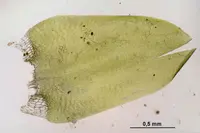
Its tiny leaves form two lobes, with the lower lobe shaped like a small helmet or pouch that can trap water and microscopic organisms, a typical but especially clear feature in this species.

Cold-tolerant distribution

The species is native to temperate regions of eastern North America and tolerates freezing winters, remaining as a small evergreen mat on tree trunks even under snow.

FAQs about New York Scalewort

This species performs more reliably outdoors in cool, humid, shaded conditions that mimic bark or rock habitats. Indoors it is difficult to keep humidity and airflow stable, so New York Scalewort indoor care is usually challenging and short‑lived.

Grow Healthy Plants with Botan Care

Keep your plants happy and healthy with plant identification, disease detection, and easy care guidance.

Botan plant care app — identify plants on mobile

Explore More Plants