alpine bryum moss Care (Imbribryum alpinum)

Also known as: Alpine Thread-moss
alpine bryum moss

About alpine bryum moss

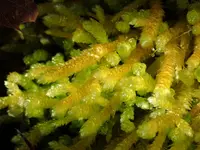
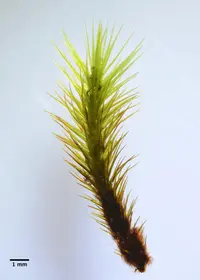
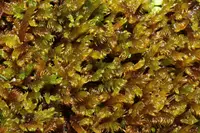
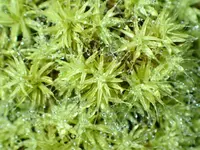
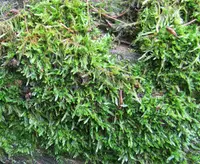
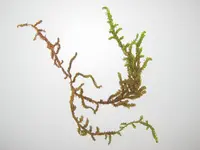
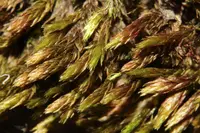
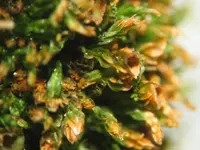
Alpine bryum moss (Imbribryum alpinum) is a cold-tolerant moss that forms dense, low cushions or mats of fine, upright shoots. Its foliage ranges from bright to dull green, often taking on bronze or reddish tones in strong light or dry conditions.

This species naturally occurs in high mountain regions, often on rocks, thin soils, or disturbed ground where few other plants survive. It is generally resilient once established, but slow to spread and sensitive to prolonged heat or drought.

Those who want to care for alpine bryum moss should provide cool conditions, steady moisture, and a stable, mildly acidic substrate, avoiding heavy disturbance of its delicate clumps.

Main Plant Requirements

Care Difficulty

Moderate Care

Light Preference

Partial Shade

Water Requirements

Keep Soil Moist

Temperature Preference

Cold Hardy

Hardiness Zone

2–7

Soil Texture

Rocky, Peaty, Organic-rich

Soil pH

Strongly acidic (4.5–5.5), Acidic (5.5–6.5)

Soil Drainage

Moist but well-drained

Fertilization

Minimal (feed rarely)

Get Personalized Care Plan

Scan your plant to receive care tips personalized for your specific plant

Available on iOS and Android

How to Care for the alpine bryum moss

Imbribryum alpinum prefers bright, cool conditions that mimic open alpine habitats.

  • Provide 4–6 hours of soft morning sun with light shade or filtered light in the afternoon to prevent desiccation.
  • Tolerates partial shade, but dense shade reduces compact growth and can lead to thin, elongated shoots and duller color.
  • In summer, protect from strong midday sun that can scorch and dry clumps; in winter, slightly increased exposure helps compensate for shorter days.

Watering should keep the moss consistently moist without remaining waterlogged.

  • Allow only the surface to begin drying; when the upper 1–2 mm looks dull or slightly crisp, rehydrate with a gentle spray or fine rose watering.
  • Use free-draining, gritty substrate so Imbribryum alpinum never sits in standing water, which encourages rot and sour, anaerobic smells.
  • In cooler seasons reduce frequency but never let it stay dry and brittle for more than a day; pale, shrunken shoots signal thirst, while mushy, darkened cushions indicate excess moisture.

Temperature needs reflect its origin in cool, exposed alpine environments.

  • Support active growth at 45–65°F (7–18°C); short periods at 35–45°F (2–7°C) are tolerated and help maintain compact cushions.
  • The moss survives down to about 10–15°F (-12 to -9°C) under snow cover, but repeated freeze–thaw without insulation can damage shoots.
  • Heat above 75°F (24°C), especially if dry, stresses plants; at 80–86°F (27–30°C) provide extra shade and high humidity or it may brown and shrink.

This moss prefers consistently cool, moist air and struggles in dry indoor environments.

  • Aim for 60–90% humidity, using a covered terrarium, cold frame, or protected outdoor nook to trap moisture around the cushions.
  • Tolerates short dry spells but prolonged air below 40% causes browning tips, shrinking cushions, and fragile, crumbly shoots.
  • Raise humidity with frequent fine misting, nearby open water trays, or loosely covering alpine bryum moss with clear plastic that still allows airflow.

This species grows best on moist, sharply drained, mineral-rich substrates rather than dense, organic potting soils.

  • Use a mix of 60–80% grit or coarse sand with fine gravel and 20–40% low-organic mineral soil or crushed rock to mimic alpine scree.
  • Ensure very rapid drainage so that water passes through within seconds, leaving the surface just damp rather than waterlogged.
  • Slightly acidic to neutral conditions around pH 5.5–7 are suitable, avoiding limy, strongly alkaline rubble unless the natural population is calcareous.
  • For Imbribryum alpinum, avoid peat-heavy, compact mixes; improve aeration with extra grit and by keeping the moss on the surface rather than buried.

This species can be grown in shallow containers that allow cool, moist but free-draining conditions.

  • Choose a wide, low dish or alpine trough so the colony can spread laterally without deep, wet pockets forming underneath.
  • Use a heavy stone, clay, or hypertufa container outdoors to buffer temperature swings and prevent the substrate drying too quickly in wind.
  • Slightly slope the substrate toward one edge or drainage point so excess water runs off and does not stagnate under the moss cushions.

This moss has very low nutrient needs and usually grows best in lean, rock-based or mineral-rich substrates without added fertilizer.

Imbribryum alpinum needs no true pruning, but light grooming maintains a healthy, even carpet.

  • Groom at any time by gently pinching or trimming browned, dead, or obviously damaged cushions.
  • Use small scissors or tweezers and avoid cutting deeply into green, actively growing tissue.
  • Lift off fallen leaves, twigs, or debris so light reaches the moss surface and airflow stays good.
  • After grooming, mist lightly to resettle any disturbed fragments back onto the substrate.

This alpine moss is usually grown on rocks or shallow trays, so transplanting is infrequent and done mainly to refresh the substrate or expand coverage.

  • Transplant when growth thins, substrate dries out too quickly, or mats detach and stop spreading.
  • Aim for cool, moist conditions in early spring or fall, avoiding heat or strong sun during the move.
  • Gently lift mats with a thin spatula, keeping attachment rhizoids and underlying substrate as intact as possible.
  • Press cushions onto fresh, rough, moist stone or gritty mix, then keep evenly humid to limit transplant stress.

Imbribryum alpinum is usually propagated vegetatively by dividing existing cushions rather than from spores in home settings.

  • Best season is early spring or cool fall, when ambient moisture is high and light is moderate.
  • Tear or cut small plugs from healthy, dense patches, each with some attached substrate.
  • Press fragments firmly onto a rough, moist surface so rhizoids can anchor and spread.
  • Maintain constant, gentle humidity and soft, indirect light until new green tips clearly extend.

This alpine bryum moss is naturally cold hardy and typically needs no special winter care in outdoor rock gardens.

  • In containers, ensure drainage remains open so freeze–thaw cycles do not keep roots in standing water.
  • If grown in very shallow trays, shelter from drying winter winds to prevent complete desiccation.
  • Indoor or greenhouse specimens should be kept cool, bright, and just moist, not wet, over winter.

Care Tips

Rock crevice mounting

Press small cushions firmly into shallow rock crevices or between stacked stones, then mist thoroughly so rhizoids (anchoring filaments) knit into the substrate and resist being washed away by rain or irrigation.

Snow and ice management

In cold regions, avoid piling shoveled snow or using de-icing salts directly upslope from colonies, since heavy meltwater and salt run-off can physically tear and burn the moss.

Controlled foot traffic

Install stepping stones or a narrow gravel path next to established patches so maintenance access does not compress the cushions, which can cause dieback in frequently walked areas.

Fragment-based propagation

To expand a colony, crumble a small, healthy tuft into 5–10 mm fragments, press them gently onto a rough, slightly moist stone or compacted gritty surface, and mist lightly every 1–2 days until new growth is visible.

Algae and weed control

If green film algae or tiny weed seedlings appear, gently lift them with soft tweezers or a toothbrush under a light water spray, since regular, precise removal reduces competition and supports growing alpine bryum moss in dense, healthy cushions.

Common Pests and Diseases

Slime molds

This disease appears as translucent, gelatinous patches that creep over moss cushions, often after prolonged wet, stagnant conditions. Symptoms include smothered, discolored moss that stops growing in affected spots.

Solution

Physically lift or gently scrape off the gelatinous masses with a blunt tool, then rinse the area with clean, non-chlorinated water. Reduce standing water, improve drainage and air movement around the colony, and avoid heavy nutrient inputs that favor slime mold growth.

Algal overgrowth

This disease presents as bright green, smooth films that coat the moss surface, especially in nutrient-rich, continuously wet conditions. Symptoms include reduced moss texture visibility and slower recovery after drying cycles.

Solution

Flush the surface with low-pressure water to dislodge algae and carefully remove heavily coated patches of moss. Lower nutrient levels by avoiding fertilizer runoff, increase light airflow cycles so the surface can dry slightly between waterings, and, if grown in containers, use low-nutrient, well-draining substrates to support sustainable Imbribryum alpinum care instructions.

Rotting cushions

This disease develops when compact moss cushions stay saturated without periodic drying, leading to browning, a sour smell, and loss of the dense tuft structure. Symptoms include mushy tissue at the base and easy disintegration when touched.

Solution

Cut out and discard decomposing sections, then gently lift remaining cushions to improve air gaps and drainage beneath. Adjust watering so the moss is moist but not waterlogged, provide intermittent drying periods, and, in cultivation, avoid deep, fine substrates that trap water around the rhizoids (anchoring structures).

Collembola (springtails)

These insects are tiny, pale to dark jumping arthropods that live in very moist moss mats and can occasionally graze on delicate new shoots. This pest usually signals excessive organic buildup and constant saturation rather than direct severe feeding damage.

Solution

Allow the surface to dry slightly between waterings and gently flush the moss with clean water to reduce populations. Remove decaying organic debris, improve drainage, and, if indoors or in terraria, increase ventilation and reduce overly fine, peat-heavy substrates that encourage large springtail colonies.

Mite grazing

This pest involves microscopic or very small mites that feed on young moss tissues, leaving a roughened, uneven surface and fine, patchy thinning in dense cushions. Symptoms include tiny pale or brown speckles on new growth and slow recovery even under otherwise suitable moisture and light.

Solution

Rinse the moss repeatedly with clean, cool water to mechanically remove mites and their eggs, and discard any heavily thinned, failing patches. Improve air circulation, avoid persistent overcrowded, stagnant microclimates, and in indoor culture consider temporarily lowering humidity and isolating affected samples to break the mite life cycle.

Interesting Facts

High-altitude specialist

This alpine moss is most often found above the tree line on mountain ranges in Europe, Asia, North America, and the Southern Hemisphere, where few other bryophytes tolerate the same exposure and temperature extremes.

Cushion-forming growth

It forms tight, often reddish-brown to dark green cushions or turfs that help reduce water loss and buffer its shoots from freezing mountain winds and rapid temperature changes.

Snowmelt stream colonizer

The species commonly grows on moist, often calcareous rocks and soil near snowbeds and snowmelt streams, taking advantage of the cold but steady water supply typical of alpine environments.

Botan icon

Did you know?

This moss has a near-cosmopolitan alpine distribution and occurs on high mountains from the European Alps and Himalayas to the Rockies, Andes, and even subantarctic islands, making it one of the most widespread true alpine bryophytes known.

FAQs about alpine bryum moss

This species spreads slowly to moderately by spores and small fragments, forming tight cushions rather than loose mats. It usually stays where conditions suit it and is not considered aggressive in gardens or controlled landscape features.

Grow Healthy Plants with Botan Care

Keep your plants happy and healthy with plant identification, disease detection, and easy care guidance.

Botan plant care app — identify plants on mobile

Explore More Plants