

Use Shallow Dishes
Grow it on rough stones or broken clay shards set in a shallow dish so excess water can drain off while the moss surface stays evenly moist without becoming waterlogged.

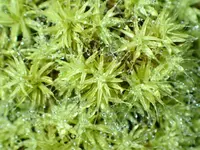
Pseudocrossidium crinitum is a small, acrocarpous moss that forms dense, cushion-like tufts rather than flat carpets. Its shoots often look slightly bristly or hair-like when dry, then turn greener and softer when moist.
This moss naturally occurs in dry, open habitats such as rocky soil, roadside banks, and thin turf, especially in temperate and Mediterranean-type climates. It tolerates periods of drought better than many mosses, which can make it relatively forgiving in cultivation.
For those learning how to care for pseudocrossidium moss, the key traits are its need for bright, indirect light, free-draining but consistently damp substrate, and good air circulation without constant waterlogging.

Care Difficulty
Moderate Care

Light Preference
Partial Sun

Water Requirements
Moderate Water

Temperature Preference
Cool Climate

Hardiness Zone
5–9

Soil Texture
Sandy, Loamy, Rocky

Soil pH
Acidic (5.5–6.5), Slightly acidic (6.5–7.0)

Soil Drainage
Well-drained

Fertilization
Minimal (feed rarely)
Scan your plant to receive care tips personalized for your specific plant
Available on iOS and Android
This moss prefers bright, open conditions but is more tolerant of sun than many other mosses.
Watering should keep the moss repeatedly moist–dry rather than constantly saturated.
This species tolerates a broad temperature range but has clear limits for long-term health.
This species prefers moderately moist air but stays healthy in typical indoor humidity.
Provide a thin, sharply draining yet moisture-retentive substrate for stable growth.
This moss is suitable for shallow container culture, especially trays or bowls.
This moss grows well in low-nutrient conditions and usually needs minimal feeding.
Pseudocrossidium crinitum needs only light grooming rather than true pruning.
This moss is usually transplanted rather than repotted, and disturbance should be minimal.
Pseudocrossidium crinitum is commonly propagated by division of existing cushions.
This moss is generally cold hardy and often needs no special winter care in temperate climates.

Plant Health Check
Not sure what's wrong with your plant? Check your plant's health inside the app.
This moss naturally occurs in open, sun-exposed, often semi-arid habitats, where it colonizes thin soil crusts on disturbed ground, road banks, and rocky slopes rather than typical shaded forest floors.
Its narrow leaves twist and curl around the stem when dry, reducing surface area and water loss, then rehydrate and spread out again when moisture returns.
In many regions it forms part of biological soil crusts, helping stabilize loose substrates, trap fine particles, and create microhabitats for other organisms such as cyanobacteria and small invertebrates.

This species has a pronounced poikilohydric lifestyle, meaning its tissues can dry out almost completely during drought and later resume normal metabolic activity after rewetting, a resilience that allows it to survive repeated desiccation cycles in exposed, dry environments.
Growth is usually slow to moderate. Small patches can take several months to noticeably thicken, especially in dry or exposed sites. In consistently cool, lightly moist conditions, it spreads more steadily by extending shoots and forming denser cushions over time.
Keep your plants happy and healthy with plant identification, disease detection, and easy care guidance.

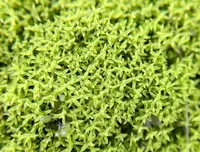
lesser bird's-claw beard-moss
Streblotrichum convolutum
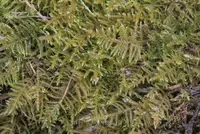
cratoneuron moss
Cratoneuron filicinum
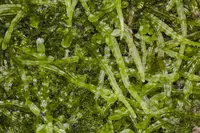
Veilwort
Pallavicinia lyellii
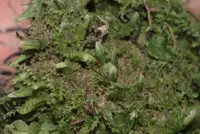
Two-horned Pincerwort
Cephalozia bicuspidata
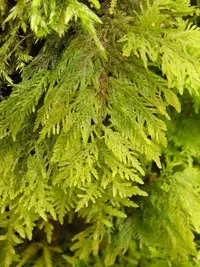
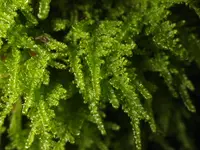
tamarisk thuidium moss
Thuidium tamariscinum
tetraphis moss
Tetraphis pellucida
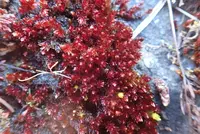
glossy red bryum moss
Bryum miniatum
hypnum moss
Stereodon subimponens