Veilwort Care (Pallavicinia lyellii)

Also known as: Ribbonwort, Lyell's Ribbonwort
Veilwort

About Veilwort

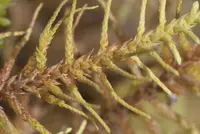
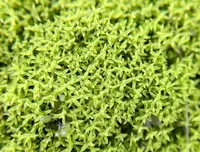
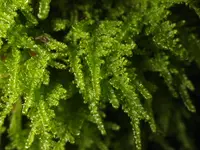
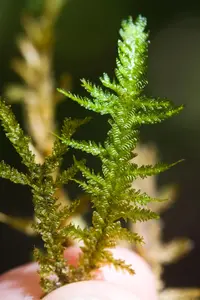
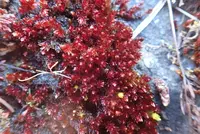
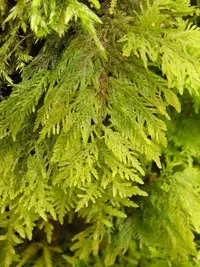
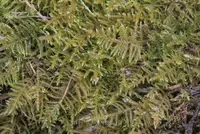
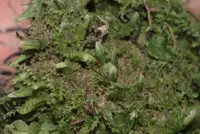
Veilwort (Pallavicinia lyellii) is a small liverwort, a non-vascular plant that forms delicate, flat green mats on damp surfaces. It often grows on shaded soil, rotting wood, or rock near streams and waterfalls. The fronds are thin, translucent, and ribbon-like, giving a soft, veil-like appearance close to the ground. This plant naturally occurs in cool, humid forests in many temperate regions, including parts of North America and Europe. It prefers constant moisture, high humidity, and low to moderate light, which makes indoor cultivation challenging. Understanding how to care for Veilwort starts with providing stable moisture and protection from direct sun and drying air.

Main Plant Requirements

Care Difficulty

Hard Care

Light Preference

Shade

Water Requirements

Aquatic

Temperature Preference

Cool Climate

Hardiness Zone

Unknown

Soil Texture

Peaty, Organic-rich, Silty

Soil pH

Strongly acidic (4.5–5.5), Acidic (5.5–6.5)

Soil Drainage

Waterlogged tolerant

Fertilization

Minimal (feed rarely)

Get Personalized Care Plan

Scan your plant to receive care tips personalized for your specific plant

Available on iOS and Android

How to Care for the Veilwort

This moisture-loving liverwort prefers low to moderate light that mimics a shaded forest floor.

  • Provide bright, indirect light or dappled shade, such as under taller plants or near a shaded stream bank, with no more than 1–2 hours of weak morning sun.
  • Avoid direct midday or afternoon sun, which can scorch Veilwort, dry its fronds, and cause bleaching or crisp brown edges.
  • In summer, increase shade if light intensifies; in winter, allow slightly brighter but still filtered light to maintain dense growth.

This species requires consistently moist conditions that never fully dry out.

  • Keep the substrate constantly damp, not soggy; surface should feel cool and moist at all times, without visible standing water for longer than a few hours.
  • Increase watering or misting in warm or windy weather so Pallavicinia lyellii does not wilt, curl, or turn dull and brittle from drying.
  • Reduce watering slightly in cooler seasons but prevent drying; signs of overwatering include foul odor, slimy patches, or blackened tissue.

This plant prefers cool, stable conditions similar to a shaded stream or forest floor.

  • Aim for 50–70°F (10–21°C) for best growth, avoiding rapid daily swings greater than about 10°F (6°C).
  • Protect from frost; tissue damage occurs near 32°F (0°C), and prolonged exposure below 28°F (-2°C) can kill the thallus.
  • Limit exposure to heat above 80°F (27°C); in hotter weather, increase shade and humidity and ensure the substrate stays cool and moist.

This liverwort needs very high, constantly moist air to persist in cultivation.

  • Aim for 80–100% humidity, mimicking stream-bank or terrarium conditions, as Veilwort quickly desiccates below about 70%.
  • In dry air, fronds curl, pale, and turn crisp at the edges, and growth stops or detaches from the substrate.
  • Increase humidity with a closed or near-closed terrarium, frequent fine misting, and placing trays of water with inert pebbles nearby.

This species prefers a consistently wet, fine-textured, organic substrate rather than conventional potting soil.

  • Use a mix of fine sphagnum peat or coconut coir with 20–30% fine sand to create a soft, moisture-retentive but aerated mat for Pallavicinia lyellii.
  • Maintain constant, shallow saturation or seepage rather than free-draining conditions; the substrate should feel spongy and never dry out.
  • Aim for slightly acidic conditions, roughly pH 5.0–6.5, which favors healthy rhizoid attachment and discourages lime buildup.
  • Avoid chunky bark, heavy clay, or fertilizer-rich mixes that compact, hold stagnant water, or burn delicate tissues.

This species can be grown in shallow containers, especially as a terrarium subject.

  • Choose a wide, shallow dish to allow spreading mats while keeping the entire substrate surface evenly moist.
  • Use glazed ceramic or glass containers that slow evaporation, then adjust watering so the surface stays damp but not scoured by water flow.
  • Place the container on a stable, level surface so water films spread evenly and do not pool deeply along one edge only.

This liverwort has very low nutrient demand, so fertilizing Pallavicinia lyellii should be light and carefully controlled.

  • Use a very dilute balanced liquid NPK fertilizer at 1/8–1/4 strength if growth appears pale or weak.
  • Apply only during active growth in spring–summer, no more than once every 4–6 weeks.
  • Avoid compost or slow-release pellets, which can burn delicate tissues and encourage algae.
  • Rinse the substrate occasionally with clean, soft water to prevent salt buildup from fertilizers.

Pruning Pallavicinia lyellii is minimal and mainly helps maintain a clean, low mat of growth.

  • Trim away dead, browned, or decaying fronds whenever noticed to reduce mold and algae.
  • In early spring, lightly thin crowded patches to improve air movement and even light exposure.
  • Use fine scissors or aquascaping tweezers, cutting just above the substrate without disturbing rhizoids.
  • Avoid heavy shaping; remove only small sections at a time to prevent desiccation and shock.

This species is usually grown attached to surfaces rather than in deep pots, so focus on gentle transplanting instead of frequent repotting.

  • Transplant when mats lift, detach, or overcrowd their rock, wood, or shallow tray, or when growth becomes patchy.
  • Choose cool, moist periods in spring or early fall so humidity is high and evaporation low.
  • Move whole pads or tufts using tweezers, keeping the underside and rhizoids intact to limit stress.
  • Press the mat gently onto the new surface, keep constantly moist with soft water, and shade from strong light for 1–2 weeks.

Propagation of Pallavicinia lyellii is commonly done by division of its thin mats rather than by spores in home culture.

  • Divide healthy, actively growing patches in spring, when light is moderate and humidity high.
  • Lift a small mat and tear or cut it into several pieces, each with living green tissue and rhizoids.
  • Attach divisions to rock, wood, or moist substrate using gentle pressure, mesh, or cotton thread.
  • Maintain constant moisture, soft water, and low–medium light until new tips extend and anchor firmly.

This liverwort is cold tolerant in mild climates but needs stable moisture and protection from freezing in harsher winters.

  • In outdoor trays, keep the substrate consistently damp and prevent it from drying in winter winds.
  • Where hard frost occurs, move containers to a cold but frost-free space, such as an unheated garage or enclosed porch.
  • Avoid heavy mulches that smother the thin mats; use only a light cover if needed against brief freezes.

Care Tips

Use Shaded Trays

Place the plant on shallow trays lined with soaked sphagnum or fine gravel under shade to stabilize moisture around the thallus and reduce stress during brief dry spells.

Gentle Water Flow

If grown near an indoor fountain or recirculating water feature, position it where water movement is gentle and indirect to mimic the film of water it receives on stream banks without causing physical damage.

Cool-Air Management

In warm rooms, place the container low to the ground or on a cool stone or tile surface and away from heat sources to keep the boundary layer of air slightly cooler and more stable.

Clean, Soft Water

Use collected rainwater or filtered, low-mineral water and occasionally flush the substrate thoroughly to prevent salt buildup, which this liverwort is highly sensitive to over time.

Fragment Propagation

When thinning or relocating patches, gently press small healthy fragments onto fresh, moist substrate in a humid, shaded container rather than lifting whole mats, which roots new colonies more reliably when growing Veilwort.

Common Pests and Diseases

Fungus gnat larvae

This pest lives in constantly wet substrates and feeds on delicate thallus tissue and young rhizoids, causing thinning, pale patches, and slow decline. Symptoms include poor growth in culture containers and visible tiny white larvae in the moss layer or water film.

Solution

Reduce excess organic debris, improve hygiene of culture trays, and allow the surface to drain slightly between waterings without letting the thallus dry out. Rinse the colony gently under clean, room‑temperature water to dislodge larvae, then use yellow sticky traps for adults and, if needed, a targeted biological control such as Bacillus thuringiensis israelensis in closed culture systems.

Algal overgrowth

This disease appears as a slimy green film forming on and between thalli in very bright, nutrient‑rich, constantly wet setups, shading and smothering the liverwort. Symptoms include reduced growth, darker or transparent thallus areas, and slippery surfaces on rocks or container walls.

Solution

Lower light intensity slightly, increase water changes, and physically remove the algal film with gentle rinsing or soft brushing around the Veilwort. Improve water movement and avoid fertilizer or nutrient runoff so the liverwort, rather than the algae, captures most of the light and resources, which is a key point in Pallavicinia lyellii care.

Filamentous mold

This disease shows as fine white or gray cottony threads spreading across overly dense, poorly ventilated colonies, especially in closed terraria. Symptoms include softening and decay of older thallus sections under the mold growth.

Solution

Open lids or vents to increase airflow, space out dense clumps, and promptly remove and discard infected, decomposing tissue. Rinse remaining healthy thalli with clean water, then maintain slightly better air exchange and avoid letting dead organic matter accumulate on the colony surface.

Slugs and snails

These insects are nocturnal grazers that feed heavily on soft thalli, leaving ragged edges, missing patches, and mucus trails on stones or container walls. Symptoms include sudden, uneven loss of tissue in otherwise suitable, humid conditions, especially in outdoor or greenhouse culture.

Solution

Hand‑pick slugs and snails during the evening or early morning and remove nearby hiding places such as wet debris, old pots, and boards. Use copper barriers, fine mesh covers, or carefully positioned, pet‑safe bait stations outside the culture area to reduce reinvasion without contaminating the moist substrate around the liverwort.

Mite damage

This pest problem appears in drier, stressed conditions where tiny mites scrape and puncture cells, creating dull, roughened, or stippled patches on the thallus. Symptoms include slowed expansion of the colony and uneven texture, sometimes visible under magnification as small moving dots on the surface.

Solution

Increase humidity back into the optimal range while avoiding stagnant air, and gently rinse the thallus under a soft stream of water to reduce mite numbers. For persistent infestations, isolate the culture and use a targeted, low‑toxicity miticide or insecticidal soap applied very lightly around, not directly saturating, the delicate thalli.

Interesting Facts

Thalloid liverwort form

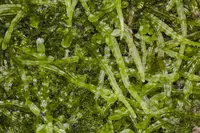
This species grows as a thin, flattened thallus, rather than leafy shoots, forming dark green, ribbon‑like mats that often look almost algal when wet.

Preference for humid rock faces

It is most often found on shaded, constantly humid rock surfaces, stream banks, and wet cliffs, where running or seeping water keeps the thalli moist but not submerged for long periods.

Distinctive reproductive structures

Its female reproductive organs sit under small, hood‑like outgrowths on the upper surface of the thallus, a feature that helps field botanists distinguish it from similar-looking liverworts.

FAQs about Veilwort

This liverwort usually performs better outdoors or in very humid terrariums, where constant moisture and cool, shaded conditions are easier to maintain. Veilwort indoor care is possible but demands stable humidity, diffuse light, and careful moisture control.

Grow Healthy Plants with Botan Care

Keep your plants happy and healthy with plant identification, disease detection, and easy care guidance.

Botan plant care app — identify plants on mobile

Explore More Plants