Menzies' metaneckera moss Care (Neckera menziesii)

Menzies' metaneckera moss

About Menzies' metaneckera moss

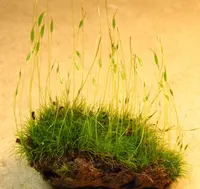
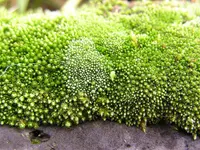
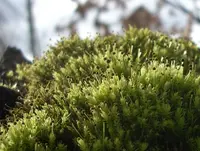
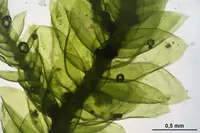
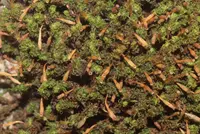
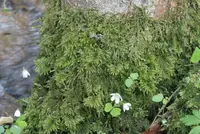
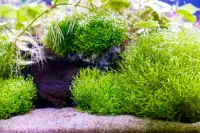
Menzies' metaneckera moss (Neckera menziesii) is an epiphytic moss, meaning it often grows on the surface of trees rather than in soil. It forms soft, overlapping mats of glossy, flattened stems that drape over bark and rock, creating a delicate, layered texture.

This species is native to humid, temperate forests of the Pacific Northwest, where it benefits from cool air, steady moisture, and shade. It is sensitive to drying out and air pollution, which can make it more challenging to grow indoors or in dry climates.

Those who want to learn how to care for Menzies' metaneckera moss should aim to mimic its natural, consistently moist and shaded habitat as closely as possible.

Main Plant Requirements

Care Difficulty

Hard Care

Light Preference

Shade

Water Requirements

Keep Soil Moist

Temperature Preference

Cool Climate

Hardiness Zone

Unknown

Soil Texture

Organic-rich, Peaty, Loamy

Soil pH

Acidic (5.5–6.5)

Soil Drainage

Moist but well-drained

Fertilization

Minimal (feed rarely)

Get Personalized Care Plan

Scan your plant to receive care tips personalized for your specific plant

Available on iOS and Android

How to Care for the Menzies' metaneckera moss

This moss prefers cool, shaded woodland-like light that protects it from direct sun scorch.

  • Provide bright, dappled shade or full shade with only brief early-morning sun; avoid direct sun from late morning to afternoon.
  • Aim for 1–3 hours of weak, low-angle sun at most, with the rest of the day in filtered forest light or full shade to prevent drying.
  • In summer, increase shade or overhead cover; in winter, allow slightly more indirect light as deciduous canopies thin for Menzies' metaneckera moss.

This moss needs consistently moist conditions and reacts quickly to drying or waterlogged habitats.

  • Keep the substrate evenly damp, not saturated; surface should feel moist but not squishy when pressed, with no standing water.
  • Increase moisture during warm, windy, or low-humidity periods by misting or gently soaking, allowing excess to drain away each time.
  • Reduce added water slightly in cool seasons but never let Neckera menziesii become crispy or pale gray, which signals drying stress.

This moss is adapted to cool, humid forest climates and does best without temperature extremes.

  • Aim for 50–68°F (10–20°C) for steady growth, with consistently high humidity and protection from drying winds.
  • It tolerates short dips to about 32°F (0°C) if kept moist and sheltered, but repeated hard frost can damage exposed cushions.
  • Above 77°F (25°C), provide deep shade, constant moisture, and strong humidity because heat plus sun quickly desiccates delicate shoots.

This moss needs constantly high humidity to thrive in cultivation.

  • Aim for 70–90% humidity to mimic its naturally moist, shaded habitats.
  • In drier air, fronds curl, pale, and feel crisp at the tips, indicating humidity stress.
  • Increase humidity with a closed terrarium, covered tray with wet sphagnum, or frequent fine misting for caring for Menzies' metaneckera moss.

This moss anchors to surfaces rather than using typical potting soil, but a base layer still affects its health.

  • Use a thin, moist layer of fine, organic-rich material such as milled sphagnum, leaf mold, or decomposed bark over a stable base.
  • Ensure excess water drains freely; keep the substrate evenly moist but never waterlogged to avoid rot and algae smothering.
  • A slightly acidic reaction around pH 5.0–6.0 suits Neckera menziesii when grown on bark, rock, or a moss-friendly substrate.
  • Improve aeration and structure by placing the moss on rough, textured surfaces instead of compact, smooth or dense potting mixes.

This species can be grown in shallow containers or terrariums when humidity and moisture are tightly controlled.

  • Choose a broad, shallow container so the moss can spread as a mat rather than build deep layers that stay soggy.
  • Use a moisture-retentive liner over a coarse drainage layer to keep the surface damp while letting excess water move downward.
  • Prefer glass or glazed ceramic containers for stable moisture, but leave a vent or gap to prevent stagnant, anaerobic conditions.

This moss-like epiphyte usually needs no fertilizer when established on trees or rocks in clean, humid environments.

Neckera menziesii rarely needs pruning; light tidying maintains healthy, even cushions.

  • If desired, trim small patches in late spring or early summer when growth is active.
  • Pinch or cut away brown, dead, or mechanically damaged shoots to limit decay and mold.
  • Use fine scissors or small snips, cutting just above healthy green tissue for a neat surface.
  • Remove crowded tufts only where they trap debris or block air flow along the substrate.

In cultivation, this species is usually transplanted rather than repotted, as it grows as a thin mat on bark or rock.

  • Transplant when mats detach easily, show bare patches, or when the host branch is no longer stable.
  • Best timing is during cool, moist weather in spring or early autumn for lower stress.
  • Lift small carpet sections with attached substrate, then press gently onto fresh, rough bark or rock.
  • Keep the new site evenly moist and shaded for several weeks to allow rhizoids to re-attach.

Propagation of Neckera menziesii is possible but slow and mainly of interest to specialists.

  • Use vegetative fragments: small green shoot pieces taken from healthy, actively growing mats.
  • Best season is cool, moist spring or autumn with stable humidity and low direct sun.
  • Press fragments onto rough, moisture-retentive bark or inert pads and mist lightly but frequently.
  • Maintain constant high humidity and gentle airflow; growth appears gradually as new shoots extend.

In its native range, Menzies' metaneckera moss is generally cold hardy and needs little specific winter care outdoors.

  • In very exposed sites, shelter colonies from drying winter winds to reduce desiccation stress.
  • If grown in shallow containers or on mounted displays, move them to a cold, frost-free but humid area.
  • Avoid freeze–thaw cycles combined with strong sun, which can dry and bleach exposed cushions.

Care Tips

Use rough substrates

Attach colonies to rough, bark-like or porous stone surfaces with natural fiber ties, as the tiny rhizoids grip textured material far better than smooth plastic or glass and establish more stable mats.

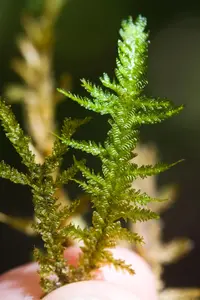
Promote lateral spread

When patches thicken, gently peel and relocate small side sections to adjacent damp surfaces to encourage faster carpeting and reduce self-shading in the center of the clump.

Manage airflow carefully

Provide very gentle, indirect airflow to limit fungal growth while shielding the moss from direct drafts that can desiccate the thin leaf layers within hours.

Seasonal moisture shifts

In climates with dry indoor winters, increase enclosure time or use humidity domes more often, but in naturally damp, cool seasons rely more on ambient moisture to reduce the risk of chronic wetness and mold.

Non-invasive monitoring

Check hydration by color and texture rather than by touching, watching for a slight dulling and slight crispness at the tips, which signals that a fine misting is due when caring for Menzies' metaneckera moss.

Common Pests and Diseases

Desiccation damage

Symptoms include pale, brittle fronds that shrink away from the substrate and lose their typical glossy, bright-green appearance. This condition develops when the moss is exposed to drying winds, direct sun, or extended low humidity beyond its tolerance.

Solution

Maintain consistently moist, cool conditions by misting with soft or rainwater, increasing ambient humidity to 60–80%, and shielding the colony from direct sun and drying air currents. In indoor setups, use a humid terrarium or shaded, humid vivarium and avoid allowing the substrate or bark to dry out completely between waterings.

Algal overgrowth

This disease appears as slimy green films or mats covering the moss cushions, often following nutrient-rich runoff or stagnant water. Over time, the algae can smother the moss, reducing light penetration and leading to thinning and dieback.

Solution

Reduce fertilizer and nutrient-rich water, improve drainage and air movement, and limit constant waterlogging while keeping the moss evenly moist. Gently rinse or manually remove thick algal layers, then provide shaded, cool, low-nutrient conditions typical for natural Neckera menziesii care instructions to help the moss recover.

Fungal blight

This disease is characterized by brown or gray patches that spread through the cushions, sometimes with fine fungal growth in very damp, stagnant setups. Affected areas often lose structure, becoming soft and then crumbly as tissues collapse.

Solution

Improve air circulation, avoid constant saturation, and remove heavily affected patches with clean tools to reduce inoculum. Use only soft, low-mineral water, reduce misting frequency slightly while keeping the environment humid, and avoid overcrowding in terrarium or shaded wall plantings.

Springtail overpopulation

These insects are tiny, white or gray jumping arthropods that thrive in constantly wet substrates and organic debris. While usually harmless detritivores, very dense populations can disturb delicate moss cushions and indicate imbalance in moisture or organic load.

Solution

Reduce decaying organic matter, lightly improve ventilation, and allow the surface to become just less saturated between waterings while keeping overall humidity high. If numbers remain excessive, gently rinse the moss with soft water and, in enclosed systems, temporarily lower feeding and organic inputs to bring populations back into balance.

Mite infestation

This pest appears as very small, often reddish or translucent specks moving between moss leaves, sometimes associated with uneven browning or patchy decline of cushions in indoor culture. Damage is usually subtle but can weaken stressed colonies.

Solution

Increase humidity stability and reduce temperature spikes, since healthy, well-hydrated moss is less susceptible. If mites persist, gently rinse the colony under soft, cool water, remove the most affected patches, and, in terrarium conditions, introduce predatory mites as a biological control while avoiding broad-spectrum chemicals that may damage the moss.

Interesting Facts

Pacific Northwest specialist

This moss is naturally associated with the cool, humid forests of the Pacific Northwest, especially coastal conifer forests where frequent fog and rain maintain nearly constant surface moisture on trunks and branches.

Epiphytic bark drapery

It typically grows as an epiphyte on tree bark rather than in soil, forming soft, overlapping, often pendulous mats that can drape over branches and trunks and subtly alter the bark microclimate for insects and other epiphytes.

Moisture-responsive foliage

The flattened shoots and tightly overlapping leaves can change in appearance between wet and dry conditions, lying more appressed and compact in dry spells and opening to a looser, more spreading texture when hydrated, an adaptation that limits water loss.

FAQs about Menzies' metaneckera moss

This species performs best outdoors in cool, humid, shaded environments similar to moist forests. Indoors it is harder to maintain stable humidity and airflow, so use enclosed terrariums or shaded outdoor placements whenever possible for reliable growth.

Grow Healthy Plants with Botan Care

Keep your plants happy and healthy with plant identification, disease detection, and easy care guidance.

Botan plant care app — identify plants on mobile

Explore More Plants