Use stable substrates
Attach pads to rough, inert materials like untreated bark, lava rock, or old brick, which hold moisture without staying waterlogged and mimic the stone or bark surfaces it naturally colonizes.

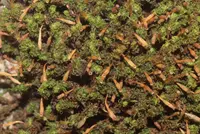
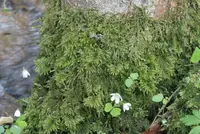
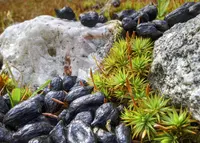
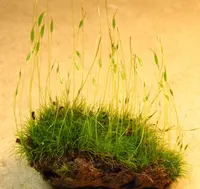
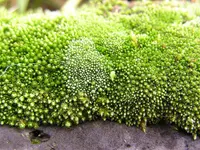
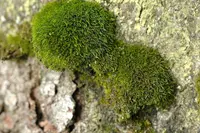
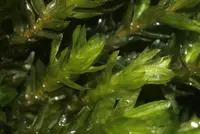
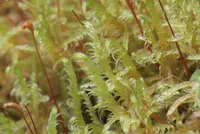
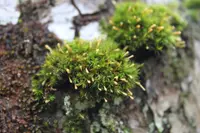
Crisped pincushion (Ulota crispa) is a small, tuft-forming moss that creates dense, cushion-like clumps on tree bark, rock, or old wood. Its leaves twist and curl when dry, then straighten and turn brighter green when moist, giving it a distinct textured look.
This moss occurs widely in temperate regions, especially in cool, humid forests with clean air. It is relatively undemanding but needs steady moisture, good air circulation, and low pollution to stay healthy.
Gardeners usually do not grow it in typical pots, but it can adapt to terrarium or specialty moss setups. Learning how to care for crisped pincushion starts with providing constant light shade and a damp, stable environment.

Care Difficulty
Moderate Care

Light Preference
Partial Shade

Water Requirements
Keep Soil Moist

Temperature Preference
Cold Hardy

Hardiness Zone
Unknown

Soil Texture
Rocky, Organic-rich

Soil pH
Acidic (5.5–6.5)

Soil Drainage
Moist but well-drained

Fertilization
Minimal (feed rarely)
Scan your plant to receive care tips personalized for your specific plant
Available on iOS and Android
This moss prefers soft, indirect light rather than direct, intense sun exposure.
This species prefers consistently moist conditions without waterlogging.
This moss is adapted to cool to mild climates but tolerates a broad temperature range.
This moss needs consistently moist air and substrate to thrive in cultivation.
Ulota crispa naturally anchors to bark, rock, or compact substrates rather than conventional potting soil.
This species can be grown in shallow containers or trays when moisture and support surfaces are carefully managed.
This moss is adapted to nutrient-poor substrates and usually needs no fertilizer when grown outdoors on bark, rock, or soil.
Ulota crispa needs almost no formal pruning, but light grooming can help maintain tidy, healthy cushions in culture.
This species is seldom grown in pots; management focuses on transplanting small cushions or patches to new substrates.
Ulota crispa is most practically propagated by division of cushions rather than from spores in home or educational setups.
This moss is cold hardy and generally needs no special winter care when established outdoors in suitable climates.

Plant Health Check
Not sure what's wrong with your plant? Check your plant's health inside the app.
This moss forms dense cushions on bark where its leaves twist strongly when dry, creating the crisped appearance that gives the species its name and helping reduce water loss between wet periods.
It grows mainly as an epiphyte on tree trunks and branches in humid, well-ventilated forests, especially on rough-barked trees where tiny surface crevices trap moisture and spores.
The leaves uncurl and spread when wet, increasing the surface area for photosynthesis and gas exchange, then re-curl as they dry, which is a reversible structural response rather than permanent tissue change.
Growth is slow. New cushions usually expand only a few millimeters per year, even in good conditions. Stable moisture, cool temperatures, and clean, rough bark or stone surfaces support growing crisped pincushion more effectively than frequent disturbance.
Keep your plants happy and healthy with plant identification, disease detection, and easy care guidance.