lesser bird's-claw beard-moss Care (Streblotrichum convolutum)

lesser bird's-claw beard-moss

About lesser bird's-claw beard-moss

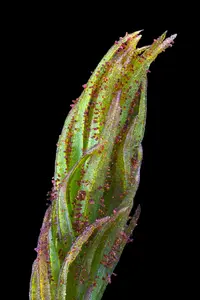
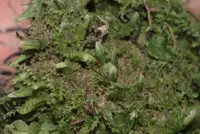
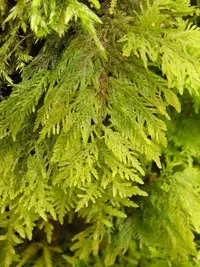
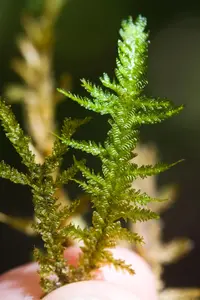
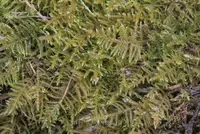
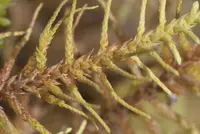
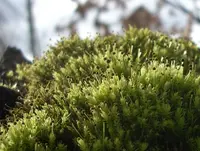
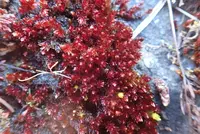
Lesser bird's-claw beard-moss (Streblotrichum convolutum) is a small, cushion-forming moss that creates dense, green to yellow-green mats. Its fine, curved leaves give a soft, textured look at close range.

This moss typically grows on soil, rocks, and exposed slopes in temperate regions, often in relatively open, well-drained habitats. It is generally hardy but can be sensitive to severe drying or heavy disturbance.

Because of its low height and mat-forming habit, it is sometimes used in naturalistic plantings, moss gardens, or detail work in terrariums. Understanding how to care for lesser bird's-claw beard-moss mainly involves maintaining steady moisture and gentle light without prolonged waterlogging.

Main Plant Requirements

Care Difficulty

Moderate Care

Light Preference

Partial Shade

Water Requirements

Keep Soil Moist

Temperature Preference

Cool Climate

Hardiness Zone

Unknown

Soil Texture

Loamy, Silty, Organic-rich

Soil pH

Acidic (5.5–6.5), Slightly acidic (6.5–7.0)

Soil Drainage

Moist but well-drained

Fertilization

Minimal (feed rarely)

Get Personalized Care Plan

Scan your plant to receive care tips personalized for your specific plant

Available on iOS and Android

How to Care for the lesser bird's-claw beard-moss

This moss prefers cool, soft light that mimics shaded, humid habitats.

  • Provide bright, indirect light or open shade, equal to filtered light under shrubs or trees, for about 3–5 hours of gentle morning sun only.
  • Protect lesser bird's-claw beard-moss from harsh midday and afternoon sun, which can dry cushions quickly and bleach the green to yellow-brown.
  • In summer, increase shade or move to a north- or east-facing exposure; in winter, allow more open sky light while avoiding strong reflective glare.

Moist, not waterlogged, conditions support dense, healthy growth.

  • Keep the substrate evenly moist; allow only the upper 1–2 cm to begin to feel just damp before watering again.
  • Use soft, low-mineral water and apply gently, mimicking steady rainfall, so the cushions of Streblotrichum convolutum are moistened through without pooling.
  • Reduce watering frequency in cooler months but do not let the moss fully dry; watch for crisp tips as a sign of underwatering and dull, limp patches as a sign of overwatering or stagnation.

Stable, cool to mild temperatures suit this moss best.

  • Aim for 50–68°F (10–20°C) for steady growth, with slightly cooler conditions at night improving color and resilience.
  • Tolerate brief dips to about 28–32°F (-2–0°C), but repeated hard frosts or freeze–thaw cycles can damage exposed cushions, especially in low, compact plantings.
  • In warmer climates, shield from extremes above 77–82°F (25–28°C) by providing deep shade and constant moisture so the substrate stays cool during summer.

This moss prefers consistently moist air and declines in very dry indoor conditions.

  • Aim for 60–80% humidity, as lower than 50% often slows growth and causes frayed, brittle shoots.
  • Dry air stress shows as paling, crisp tips, and reduced cushion density compared with evenly moist patches.
  • Raise humidity by using a closed terrarium, humidity dome, or regular fine misting that keeps surfaces damp but not waterlogged.

Streblotrichum convolutum grows best in a loose, consistently moist but not stagnant substrate.

  • Use a fine-textured mix of 2 parts sifted peat or coco coir to 1 part sharp sand to mimic its natural, humus-rich habitat.
  • Ensure rapid surface drainage while keeping deeper layers evenly damp, avoiding standing water at the base of the container or tray.
  • Maintain a slightly acidic pH around 5.0–6.0, which supports healthy moss metabolism and discourages lime-loving algae.
  • Improve aeration by spreading the moss in a shallow layer over the mix rather than burying it, preventing anaerobic, foul-smelling patches.

This species is well suited to shallow containers, trays, and terrariums.

  • Choose a broad, shallow container so the spreading mats receive uniform moisture and light across the entire surface.
  • Add a coarse gravel or sand layer beneath the substrate to speed lateral drainage while still holding a thin moist film.
  • Use non-porous materials like glass or glazed ceramic to slow evaporation and keep surface humidity high around the moss.

This moss needs very little feeding, as it is adapted to low-nutrient habitats.

  • If growth is extremely pale or sparse, apply a highly diluted balanced liquid fertilizer (about 1/8–1/4 strength) during active growth in spring–summer.
  • Use rainwater to dilute fertilizer and avoid products high in urea, which can burn delicate moss tissues.
  • Do not feed in autumn–winter; excess nutrients can encourage algae that compete with lesser bird's-claw beard-moss.

Pruning needs for Streblotrichum convolutum are minimal and focus on light grooming rather than shaping.

  • Best time for grooming is late winter or early spring, before strong new growth begins.
  • Gently remove dead, browned, or contaminated patches with fine scissors or tweezers to keep the mat even.
  • Lift and thin out compact, crowded tufts to improve air flow and reduce trapped debris.
  • Avoid cutting too deeply into healthy green cushions, as this can expose bare substrate.

This moss is usually grown on rocks, wood, or shallow trays, so transplanting is more common than classic repotting.

  • Transplant when mats detach easily, substrate breaks down, or growth becomes patchy despite good moisture and light.
  • Best season is cool, moist weather in spring or early autumn to limit stress and drying.
  • Gently lift sections of Streblotrichum convolutum with attached substrate and press onto fresh, clean, slightly acidic medium.
  • Mist thoroughly after moving, keep in bright shade with high humidity, and avoid handling until new anchoring growth appears.

Propagation is typically done by division of existing cushions rather than by spores in home settings.

  • In early spring, separate healthy green tufts into small sections, each with some attached substrate.
  • Lay divisions on fresh, moist, low-nutrient medium and press lightly so rhizoids make contact.
  • Maintain constant light moisture with soft spray misting and provide bright, indirect light.
  • Avoid heavy fertilizers or strong water jets, which can dislodge new pieces before they anchor.

This moss is generally cold hardy and often needs little specific winter care in the ground.

  • In very cold regions, a light mulch around the substrate edges can buffer freeze–thaw cycles without burying the moss.
  • For containers, move trays to a sheltered cold frame or unheated porch to reduce drying winds.
  • Keep the substrate barely moist, avoiding both complete drying and prolonged waterlogging.

Care Tips

Use stable substrate

Anchor the moss onto a rough, stable surface such as porous rock, unglazed clay, or coarse bark so rhizoids can grip firmly and the cushions stay in place during misting or air movement.

Apply gentle compression

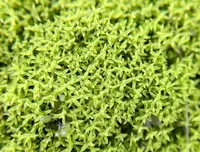
After spreading small fragments, press them lightly onto the substrate with a clean mesh, plastic wrap with pinholes, or a fine net for 1–2 weeks to maintain close contact without smothering the moss.

Control air movement

Limit strong, direct airflow from fans or vents that can desiccate the fine shoots, instead using indirect, low-speed circulation to reduce mold risk while keeping the colony evenly moist.

Use soft water

Irrigate with rainwater, distilled, or low-mineral filtered water to avoid lime and salt buildup on the tiny leaves, which can inhibit growth and cause browning over time when growing lesser bird's-claw beard-moss.

Routine colony grooming

Every few months, lift and thin overly dense or shaded patches with tweezers to remove dead material, improve light penetration, and maintain an even, healthy carpet structure.

Common Pests and Diseases

Desiccation stress

Symptoms include brittle, pale tufts that lose their green color and fail to rehydrate fully after misting or soaking. This condition is common when the moss is kept too dry, exposed to moving air, or placed in direct sun.

Solution

Recreate a consistently moist, cool microhabitat by using a shaded, enclosed terrarium or a humid, sheltered outdoor spot with 70–90% humidity. Mist with non-calcareous water, keep the substrate evenly damp but not waterlogged, and reduce heat and airflow to prevent further drying while damaged areas slowly recover or regrow from healthier patches.

Algal overgrowth

This disease appears as slimy green films or patches that cover the moss cushions and substrate, often following prolonged waterlogging and excess nutrients. Growth of the moss slows and individual shoots may die back under the algal layer.

Solution

Reduce watering frequency, increase gentle airflow, and avoid fertilizer or nutrient-rich substrates to limit algae. Manually rinse or gently brush away surface algae, refresh the top layer of substrate if needed, and maintain bright shade rather than strong direct light to support moss growth over algal growth when caring for lesser bird's-claw beard-moss.

Fungal leaf spot

This disease causes small brown to black specks or patches on individual moss leaves, sometimes merging into irregular necrotic areas. It usually follows constant surface wetness with poor air movement in cool conditions.

Solution

Improve ventilation around the moss while keeping humidity high, and avoid standing water or heavy overhead watering that leaves the foliage saturated for long periods. Remove and discard heavily affected clumps, then lightly mist with clean water only when the surface begins to lose its sheen, keeping the substrate moist rather than flooding the plant.

Slugs and snails

These pests feed on tender moss shoots, leaving ragged, grazed patches and silvery slime trails, especially in outdoor shaded plantings or trays. Damage is often most noticeable after cool, damp nights.

Solution

Hand-pick slugs and snails during the evening or early morning and use physical barriers such as copper tape or fine mesh around trays or patches. Reduce hiding spots by tidying debris, and if needed, place iron phosphate-based slug pellets outside the moss area where they cannot contaminate the substrate but intercept pests before they reach the colony.

Moss mites

These insects are tiny arthropods that feed on decaying organic matter and sometimes on living moss tissues, leading to thinning cushions and uneven, patchy growth. Infestations are most common in long-established, poorly cleaned terrariums with accumulated debris.

Solution

Improve hygiene by removing decaying plant material and rinsing hardscape elements, then briefly flood and drain the moss to dislodge mites without harsh chemicals. For persistent problems, temporarily lower humidity and increase ventilation to make conditions less favorable, and if kept in a terrarium, reset the setup using fresh, pasteurized substrate while preserving only the healthiest, rinsed moss fragments.

Interesting Facts

Coastal soil specialist

This moss is strongly associated with sandy or gravelly coastal soils, where it forms loose mats among low vegetation in exposed, dry sites.

Curled leaf adaptation

Its leaves are distinctly convoluted and often strongly curved or twisted when dry, a structural adaptation that helps reduce water loss in its frequently drought-prone habitats.

Patchy European distribution

The species has a scattered, often localized distribution in parts of western and central Europe, reflecting its reliance on specific open, low-nutrient habitats that are easily lost to land-use change.

FAQs about lesser bird's-claw beard-moss

This moss spreads slowly by creeping stems and spores, usually forming small, dense patches. It is not considered aggressive and rarely overwhelms nearby plants when moisture, light, and substrate conditions remain moderately stable.

Grow Healthy Plants with Botan Care

Keep your plants happy and healthy with plant identification, disease detection, and easy care guidance.

Botan plant care app — identify plants on mobile

Explore More Plants