hypnum moss Care (Stereodon subimponens)

hypnum moss

About hypnum moss

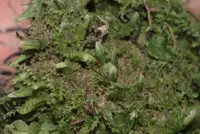
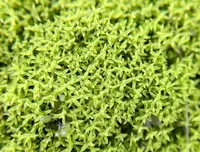
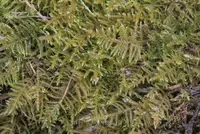
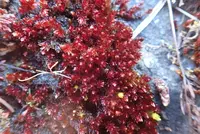
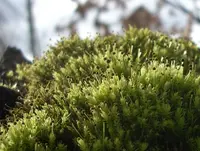
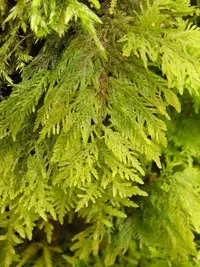
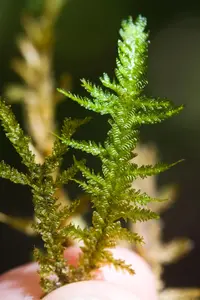
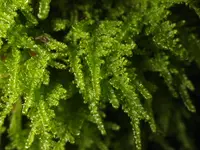
Hypnum moss, Stereodon subimponens, is a low-growing carpet moss that forms soft, dense mats of fine green stems and overlapping leaves. It is often used in terrariums, bonsai displays, and shaded garden areas to create a natural, woodland floor effect.

This species typically grows on soil, rotting wood, or rocks in cool, moist forests across parts of North America and East Asia. Its ability to tolerate shade, periodic drying, and a range of substrates makes it relatively forgiving for those learning how to care for hypnum moss.

It prefers consistent moisture, high humidity, and indirect light, but does not need nutrient-rich soil. This combination of traits makes it suitable for many indoor and outdoor moss projects.

Main Plant Requirements

Care Difficulty

Moderate Care

Light Preference

Partial Shade

Water Requirements

Keep Soil Moist

Temperature Preference

Cool Climate

Hardiness Zone

5–9

Soil Texture

Loamy, Rocky, Organic-rich

Soil pH

Acidic (5.5–6.5), Slightly acidic (6.5–7.0)

Soil Drainage

Moist but well-drained

Fertilization

Minimal (feed rarely)

Get Personalized Care Plan

Scan your plant to receive care tips personalized for your specific plant

Available on iOS and Android

How to Care for the hypnum moss

This moss prefers cool, shaded locations with soft, indirect light similar to a forest floor.

  • Provide bright, indirect light or dappled shade, such as under shrubs or trees, with 2–4 hours of weak morning sun if possible.
  • Avoid direct midday or afternoon sun, which can scorch fronds and dry hypnum moss within hours, especially in summer.
  • In summer, increase shade using taller plants or shade cloth; in low-light seasons, choose a site with open sky but still filtered light.

Stereodon subimponens thrives in consistently moist conditions but not in stagnant water.

  • Maintain evenly damp substrate; surface should feel moist to the touch but not spongy or puddled after watering.
  • Increase watering when weather is hot, dry, or windy, and reduce when cool and rainy to avoid prolonged saturation and rot.
  • Watch for dull, crispy fronds as a sign of underwatering and pale, limp, or slimy growth as a sign of chronic overwatering.

This moss is adapted to cool, humid environments and dislikes temperature extremes.

  • Aim for 45–70°F (7–21°C) for best growth, with strongest development in the cooler end of this range under high humidity.
  • It tolerates brief drops near 25–30°F (-4 to -1°C) if kept moist, but repeated hard freezes with dry air can cause dieback.
  • Heat above 80°F (27°C), especially in full sun, stresses the plant; increase shade and humidity during hot spells to reduce damage.

This moss needs consistently moist, humid air to thrive in cultivation.

  • Aim for 70–90% humidity, as dry indoor air below 50% quickly dehydrates the delicate shoots.
  • Crisping tips, faded green color, and slowed growth indicate humidity stress and surface drying.
  • Increase humidity with covered terrariums, pebble trays under shallow dishes, or frequent fine misting without leaving standing water.

For container culture, this moss prefers a loose, moist, organic substrate rather than traditional potting soil.

  • Use a shallow layer of finely shredded bark, sphagnum peat, and leaf mold over rock or coarse sand to mimic a damp forest floor for Stereodon subimponens.
  • Keep the substrate open-textured and airy so water drains freely while the surface remains evenly moist, never waterlogged.
  • Maintain slightly acidic conditions, around pH 5.0–6.0, by avoiding lime-rich materials and using rainwater or filtered water when possible.
  • Avoid compacted, clay-heavy, or fertilized mixes, which hold stagnant water, limit aeration, and can burn delicate moss tissues.

This species is well suited to shallow containers, trays, and terrariums when moisture and stability are controlled.

  • Choose wide, shallow containers so the creeping moss can spread horizontally while excess water evaporates efficiently.
  • Line the base with a thin layer of coarse gravel or mesh to keep the moist substrate from sitting directly in residual water.
  • Use heavier ceramic or glass containers for outdoor or open setups to prevent shifting as the moss mat gradually thickens and retains water.

Stereodon subimponens, often sold as hypnum moss, needs only minimal supplemental nutrition when grown on inert substrates or in containers.

  • Use a very dilute balanced liquid fertilizer (around 1/8–1/4 strength, such as 10-10-10) only if growth appears pale or weak.
  • Apply at most once every 4–6 weeks during active growth in spring–summer, on already moist moss to avoid burn.
  • Do not fertilize in winter or when growth is dormant, as excess nutrients can encourage algae and weaken the colony.
  • Avoid heavy compost or rich slow-release granules; this moss prefers nutrient-lean, slightly acidic conditions.

Pruning needs for Stereodon subimponens are light and mainly cosmetic, aimed at maintaining an even, healthy carpet.

  • Best time for trimming is during active growth in spring or early fall, when recovery is fastest.
  • Gently remove dead, browned, or lifted patches by hand or with small scissors to reduce decay and mold risk.
  • Lightly clip overly thick or uneven tufts to improve air flow and keep a low, uniform cushion.
  • Use clean, sharp scissors or fingers, taking only the top layer so rhizoids remain anchored to the substrate.

This moss is rarely repotted like a houseplant; care focuses on transplanting mats to new surfaces with minimal disturbance.

  • Transplant when growth becomes patchy, the substrate breaks down, or sections detach rather than when roots circle a container.
  • Best timing is cool, moist weather in spring or fall, which limits desiccation and transplant shock.
  • Lift thin mats gently, keeping as much of the attached substrate as possible to preserve rhizoids and structure.
  • Press sections firmly onto the new moist surface, mist thoroughly, and shade for 1–2 weeks to reduce drying and help reattachment.

Propagation of Stereodon subimponens is straightforward and usually done by division of existing mats rather than spores.

  • Divide healthy, well-hydrated cushions in spring or early fall into small sections by hand or with clean scissors.
  • Lay divided pieces on a suitable moist, rough surface such as bark, rock, or soil that drains well.
  • Press fragments into contact with the substrate without burying, then mist to settle them and remove air gaps.
  • Maintain high humidity and gentle, indirect light until new, firm anchoring and fresh green tips appear.

Stereodon subimponens is generally cold hardy and often remains green under snow, so it needs little special winter care in most temperate climates.

  • In very exposed sites, a light mulch around the planting area helps moderate freeze–thaw cycles in the substrate.
  • Avoid heavy foot traffic on frozen or snow-covered mats, which crushes stems and slows spring recovery.
  • For container-grown patches in climates below about 10°F, move trays to an unheated but frost-sheltered space.

Care Tips

Substrate Anchoring

Press small fragments gently into a rough, stable surface such as aged bark, lava rock, or compacted loam, then cover lightly with biodegradable netting or burlap for 2–4 weeks to help the moss anchor securely while it establishes.

Capillary Watering Setup

For vertical or sloped displays, line the base with a water-retentive felt or sphagnum pad dipping into a shallow reservoir so capillary action keeps the moss evenly moist without frequent overhead misting.

Leaf Litter Management

In outdoor or terrarium settings, remove accumulated leaf litter or conifer needles with soft tweezers or a small paintbrush every few weeks so dense debris does not smother the thin stems and block light at the cushion surface.

Fragment Propagation

To expand a colony, snip small, actively growing sprigs, crumble them into 0.5–1 cm pieces, and press these uniformly over a pre-moistened surface, then maintain steady moisture and low air movement until new growth visibly knits the pieces together.

Clean Water Practices

Use rainwater or filtered water stored in a clean container and rinse misting equipment monthly to prevent mineral crusts or biofilm buildup, which helps maintain good color and texture when growing hypnum moss in enclosed or semi-enclosed displays.

Common Pests and Diseases

Fungus gnat larvae

This pest is attracted to constantly wet, organic moss carpets and the larvae feed within the moist substrate, sometimes disrupting moss growth and establishment. Symptoms include thinning patches, slow spread, and tiny black adult gnats flying just above the moss surface.

Solution

Reduce standing water and allow the substrate beneath the moss to approach just-moist conditions between waterings, while never letting the moss fully dry. Use yellow sticky traps to reduce adults and, if larvae are heavy, drench the substrate (not the entire habitat) with a biological control containing Bacillus thuringiensis israelensis, following label rates suitable for moss or terrarium use.

Algal overgrowth

This disease-like condition occurs when algae colonize the moss surface in very wet, nutrient-enriched, low-airflow sites, forming slick green films over the shoots. Symptoms include dull, slimy, or crusty green layers that smother healthy leaf detail and slow new moss growth.

Solution

Lower fertilizer input, increase air movement, and reduce the duration of surface saturation by using finer misting rather than heavy watering. Gently rinse the moss with clean, low-mineral water and physically remove heavily coated sections, then adjust light and moisture to favor the moss rather than algae, which is a key part of practical Stereodon subimponens care.

Slugs and snails

These pests are attracted to the moist, shaded microhabitat of moss mats and can graze directly on shoots, leaving irregular bare spots. Symptoms include ragged edges, missing cushions, and slime trails across the moss surface or container walls.

Solution

Hand-pick slugs and snails in the evening or early morning and remove debris or hiding spots like decaying leaves and stones pressed tightly against the moss. In outdoor settings, use copper tape barriers or iron phosphate slug baits placed away from the main moss patch, following label instructions that are safe for non-target wildlife.

Mite feeding damage

These insects are tiny arachnids that sometimes colonize dense, sheltered moss cushions under glass or in very dry-down cycles, piercing delicate tissues and causing a faded, patchy appearance. Symptoms include tiny, irregular pale areas and a general loss of the moss’s normal lush texture, often without visible pests to the naked eye.

Solution

Increase ambient humidity slightly while improving fresh air exchange, which discourages many problem mite species. If damage progresses, rinse the moss gently with a steady but soft stream of water and, in enclosed displays, introduce predatory mites from reputable suppliers as a biological control instead of broad-spectrum miticides.

Filamentous mold

This disease develops in poorly ventilated, saturated conditions, forming fine white, gray, or sometimes green fuzzy growth on dead fragments, fallen needles, or shaded moss stems. Symptoms include localized fuzz that can quickly spread across decaying matter and begin to stress nearby healthy shoots.

Solution

Improve airflow, reduce overcrowding of plant debris, and avoid constant surface saturation, especially in indoor trays or terrariums. Carefully lift out and discard moldy organic material, then rinse affected areas with clean water; if needed, apply a very dilute hydrogen peroxide solution as a spot treatment, testing a small section first to avoid moss injury.

Interesting Facts

Pacific Northwest specialist

This moss is native to the Pacific Northwest of North America, where it is especially common in moist coniferous forests from lowlands up into montane zones.

Coarse, creeping mats

It forms loose, somewhat glossy green to yellow‑green carpets with coarse, creeping stems that often drape over logs and rocks, helping stabilize and retain moisture on forest surfaces.

Decurrent leaf pattern

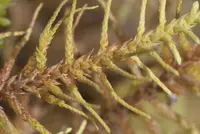
Its leaves run slightly down the stem (a decurrent base), a feature used by bryologists to distinguish it from similar forest mosses in hypnum‑like groups.

FAQs about hypnum moss

Growth is generally slow to moderate. In suitable cool, moist conditions, it may extend 2–5 cm per year, mainly by creeping stems. Disturbance, drying winds, and compacted substrate slow expansion considerably.

Grow Healthy Plants with Botan Care

Keep your plants happy and healthy with plant identification, disease detection, and easy care guidance.

Botan plant care app — identify plants on mobile

Explore More Plants