Hanging Millipede Liverwort Care (Frullania nisquallensis)

Hanging Millipede Liverwort

About Hanging Millipede Liverwort

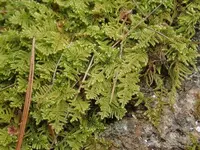
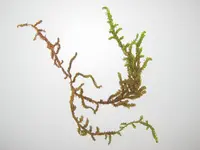
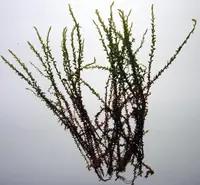
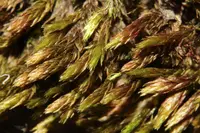
Hanging millipede liverwort (Frullania nisquallensis) is a small, epiphytic liverwort that often grows on tree bark, rocks, or decaying wood. It forms fine, overlapping shoots that hang or trail, giving a delicate, moss-like look.

This species is native to moist, temperate forests in the Pacific Northwest of North America. It prefers shaded, humid environments with clean, consistently damp surfaces.

In cultivation it can be sensitive to drying out, sudden temperature shifts, and poor air quality. For those who want to care for Hanging Millipede Liverwort, stable moisture, gentle airflow, and low to medium light are the key priorities.

Main Plant Requirements

Care Difficulty

Hard Care

Light Preference

Shade

Water Requirements

Keep Soil Moist

Temperature Preference

Cool Climate

Hardiness Zone

Unknown

Soil Texture

Peaty, Organic-rich, Rocky

Soil pH

Strongly acidic (4.5–5.5)

Soil Drainage

Moist but well-drained

Fertilization

Minimal (feed rarely)

Get Personalized Care Plan

Scan your plant to receive care tips personalized for your specific plant

Available on iOS and Android

How to Care for the Hanging Millipede Liverwort

This small epiphytic liverwort prefers cool, shaded conditions that mimic moist forest habitats.

  • Provide bright, filtered light or deep dappled shade, such as on the shaded side of tree bark, rock faces, or logs receiving 1–2 hours of soft morning sun at most.
  • Avoid direct midday or afternoon sun, which can scorch Hanging Millipede Liverwort within hours by rapidly drying its thin leafy shoots.
  • In summer, choose north- or east-facing aspects; in winter, slightly more open but still shaded exposure helps compensate for shorter, weaker light.

This liverwort requires constantly moist but not stagnant conditions on its substrate surface.

  • Aim for consistently damp bark, rock, or soil; allow only the upper surface to become just barely less glossy before rewetting, never fully dry or dusty.
  • Watch for overwatering signs such as algae film, standing water, or sour smell on the substrate, and reduce watering or improve drainage and air movement if noticed.
  • If fronds curl, turn dull, or feel crisp, humidity and moisture are too low for Frullania nisquallensis and the substrate should be moistened promptly.

This species favors cool, moist, forest-like temperatures with minimal extremes.

  • Ideal growth occurs around 45–65°F (7–18°C), typical of shaded coastal or montane forests with constant moisture and low evaporative stress.
  • Short dips to about 32°F (0°C) may be tolerated if the plant is fully hydrated and not exposed to drying wind, but hard or prolonged frost can kill tissues.
  • Heat above 75–80°F (24–27°C) combined with low humidity quickly desiccates shoots, so provide extra shade, high humidity, and frequent misting during hot spells.

This epiphytic liverwort requires consistently high humidity to stay healthy in cultivation.

  • Aim for 70–95% humidity, using an enclosed terrarium or covered container rather than exposed room air.
  • Dry air causes crisping, curling, and browning of the tiny overlapping leaves, especially at edges and shoot tips.
  • Raise humidity with daily fine misting, moist sphagnum around but not on the plant, and limited ventilation openings in a terrarium setup for caring for Hanging Millipede Liverwort.

This species grows best on moist, well-aerated, organic surfaces that mimic bark or rock rather than standard potting soil.

  • Use a very loose, fibrous mix such as finely chopped bark, leaf litter, and a small amount of milled sphagnum to hold surface moisture.
  • Ensure rapid drainage so the substrate feels moist but never waterlogged, as stagnant water quickly leads to decay of delicate shoots.
  • Keep pH slightly acidic to neutral, around 5.5–7.0, by avoiding lime-heavy materials and excessive wood ash in the substrate.
  • Frullania nisquallensis benefits from a thin, shallow substrate layer that allows air to reach the rhizoids while staying evenly damp.

This liverwort can be grown in shallow containers or terraria when moisture and airflow are carefully balanced.

  • Choose a wide, shallow dish or slab-style container that lets the mat spread horizontally while keeping the substrate layer thin.
  • Use a container that allows excess water to drain or be poured off quickly so the surface never remains flooded.
  • Select glass or plastic with a loose-fitting lid to retain humidity while still allowing limited air exchange to prevent mold growth.

This epiphytic liverwort typically grows on nutrient-poor bark and usually needs no added fertilizer in cultivation.

Pruning Frullania nisquallensis is minimal and mainly done to tidy growth or remove unhealthy tissue.

  • Trim away browned, dead, or decaying patches with fine scissors to limit mold and rot spread.
  • Remove overcrowded or lifting mats to maintain airflow and an even, compact cushion on bark or rock.
  • Work during active growth in spring or early fall so trimmed areas recover and reattach more quickly.
  • Disinfect tools with alcohol before use to avoid introducing fungi or bacteria into delicate tissues.

Transplanting is only needed when colonies outgrow their substrate or when bark or rock mounts deteriorate.

  • Check for loose, detaching mats, very slow spread, or crumbling host bark as signs a move is needed.
  • Shift colonies in cool, moist weather to reduce drying stress, avoiding hot mid-day conditions.
  • Gently lift small sections and press them onto fresh, rough bark or rock, securing with soft mesh or thread.
  • Mist thoroughly and keep humidity high for 1–2 weeks so rhizoids anchor with minimal desiccation.

Propagation for this Hanging Millipede Liverwort is usually done by dividing and relocating small colony fragments.

  • During mild, moist seasons, peel off tiny clumps, keeping them attached to bits of original bark if possible.
  • Press fragments onto new bark, rock, or a mesh-covered surface so they have texture to grip with rhizoids.
  • Maintain constant, gentle moisture and high humidity, avoiding direct strong sun until growth resumes.
  • Use several small pieces rather than one large sheet to improve establishment across the new surface.

This species is generally cold hardy in its native range and typically needs little targeted winter care.

  • In exposed sites, ensure substrates do not dry out completely during cold, windy periods.
  • For container mounts, move to a sheltered, unheated but frost-free space if prolonged hard freezes are expected.
  • Avoid covering colonies with thick, wet mulch, which can reduce airflow and promote fungal problems.

Care Tips

Use Suitable Substrate

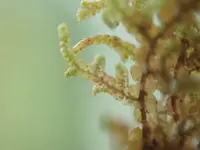
Attach the liverwort to rough, inert materials like cork bark, hardwood, or lava rock rather than soil, pressing the mats gently so rhizoids can anchor without being buried.

Maintain Air Movement

Provide gentle, continuous air circulation with a small fan or open terrarium vents to reduce fungal problems while still keeping the boundary layer humid around the shoots.

Rinse To Reduce Debris

Periodically rinse the colony with dechlorinated, room‑temperature water to wash away dust, algae, and spores that can smother the tiny leaves and reduce gas exchange.

Shade From Overstory

In outdoor culture, mount it on the shaded side of logs or branches beneath an evergreen canopy so it benefits from natural drip moisture without direct sun exposure.

Monitor With Hand Lens

Inspect the mats monthly using a 10× hand lens to spot early drying, browning, or mite activity and adjust humidity or air movement promptly when caring for Hanging Millipede Liverwort.

Common Pests and Diseases

Mite damage

This pest feeds on the thin leafy lobes, causing bleaching, tiny stippling, and a dry, scorched look in patches of the mat. Symptoms include very fine webbing on close inspection and decline in dense, sheltered colonies.

Solution

Increase ambient humidity and lightly mist colonies to discourage mites, then rinse the liverwort gently with clean, lukewarm water to remove as many as possible. If damage continues, use a low-dose insecticidal soap or horticultural oil spray, applied as a fine mist and followed by good airflow so the plant surface dries within a few hours.

Liverwort fungal blight

This disease causes brown to black, water-soaked patches that spread across the leaf lobes, often in overly wet, stagnant air conditions. Symptoms include soft, collapsing tissue and a patchy dieback of the hanging mats.

Solution

Improve air movement, reduce constant surface wetness, and thin the mat if it is overly dense so it dries more evenly. Remove and discard affected portions, then, if spread continues, apply a mild fungicide labeled for bryophytes or mosses as a fine, even spray, avoiding heavy drenching.

Algal overgrowth

This problem appears as a slimy green film that coats the substrate or the liverwort surface under constant high moisture and bright light. Symptoms include smothered, pale fronds and reduced growth where algae dominate.

Solution

Reduce nutrient-rich runoff, shorten watering duration, and slightly lower light intensity or duration if very strong. Gently rinse away algae, increase airflow, and if needed introduce small shading or adjust placement so light is bright but not prolonged and direct on constantly wet surfaces.

Slugs and snails

These pests graze on soft tissues, leaving irregular holes, ragged edges, and missing sections of the hanging mats, especially in cool, damp outdoor settings. Symptoms include slime trails on nearby hard surfaces or containers.

Solution

Hand-pick slugs and snails during the evening or early morning and remove nearby hiding spots such as dense debris. Use physical barriers like copper tape or shallow beer traps around containers, and keep the immediate area slightly drier at night without letting the liverwort completely dry out.

Interesting Facts

Pacific Northwest specialist

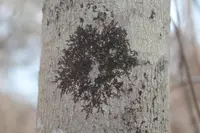
This liverwort occurs mainly in the humid coastal forests of the Pacific Northwest of North America, where it is typically found on bark of conifers and broadleaf trees in cool, ocean-influenced climates.

Distinct millipede look

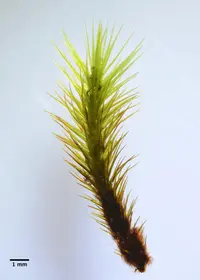
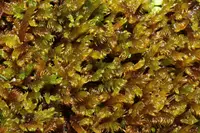
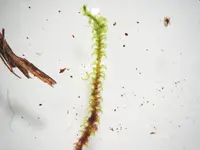
The leafy shoots are strongly flattened and divided into overlapping lobes that resemble tiny millipedes, a feature that inspired its common name hanging millipede liverwort.

Epiphytic canopy dweller

It usually grows as an epiphyte, meaning it lives on tree surfaces rather than in soil, often forming dense, hanging mats on trunks and branches that contribute to the rich bryophyte layer in old, moist forests.

FAQs about Hanging Millipede Liverwort

This species usually grows better outdoors in cool, humid, shaded microclimates, such as on bark or rocks. Indoors it is challenging, since stable high humidity and excellent air movement are needed to prevent desiccation and fungal issues.

Grow Healthy Plants with Botan Care

Keep your plants happy and healthy with plant identification, disease detection, and easy care guidance.

Botan plant care app — identify plants on mobile

Explore More Plants