Tamarisk Scalewort Care (Frullania tamarisci)

Tamarisk Scalewort

About Tamarisk Scalewort

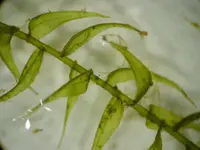
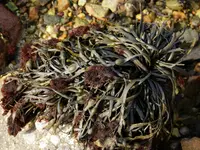
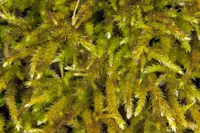
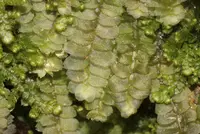
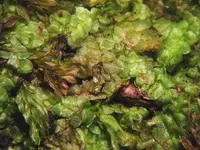
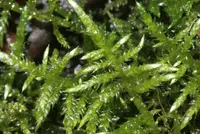
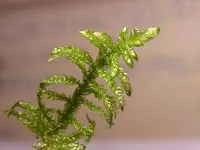
Tamarisk scalewort, Frullania tamarisci, is a small leafy liverwort rather than a typical flowering plant. It forms flat, overlapping mats of tiny, scale-like leaves on bark or rock. The growth is creeping and compact, often giving tree trunks or stones a fine, textured coating.

This species is native to Europe and parts of western Asia, most common in humid woodlands, shaded cliffs, and coastal areas. It prefers clean, moist air, which makes it more challenging in polluted or very dry environments.

Those who want to learn how to care for Tamarisk Scalewort should know it favors cool, shaded spots with constant moisture and rough, well-aerated surfaces rather than regular potting soil.

Main Plant Requirements

Care Difficulty

Hard Care

Light Preference

Partial Shade

Water Requirements

Keep Soil Moist

Temperature Preference

Cool Climate

Hardiness Zone

6–9

Soil Texture

Rocky, Peaty, Organic-rich

Soil pH

Strongly acidic (4.5–5.5), Acidic (5.5–6.5)

Soil Drainage

Moist but well-drained

Fertilization

Minimal (feed rarely)

Get Personalized Care Plan

Scan your plant to receive care tips personalized for your specific plant

Available on iOS and Android

How to Care for the Tamarisk Scalewort

This small epiphytic liverwort prefers cool, shaded habitats with soft, indirect light.

  • Provide dappled or filtered light equivalent to 2–4 hours of weak morning sun; avoid direct midday sun that can scorch and desiccate Tamarisk Scalewort.
  • Grow on a shaded tree trunk, rock, or wall where it receives bright shade or forest-type light, similar to a north- or east-facing exposure.
  • In summer, protect from reflected heat and strong sun; in winter, ensure it still receives diffuse daylight to prevent thinning and pale, elongated shoots.

Frullania tamarisci needs consistently moist but not waterlogged conditions around its rooting surface.

  • Keep the substrate or bark slightly damp at all times, allowing only the upper surface to feel just barely dry before rewetting with a fine mist or gentle soak.
  • Increase misting frequency in warm, windy, or very dry weather; reduce slightly in cool, humid periods while never allowing the plant to become crispy or brittle.
  • Watch for pale, shriveled lobes as a sign of underwatering, and for soft, dark, or foul-smelling patches as a sign of prolonged saturation and poor drainage.

This bryophyte prefers cool, oceanic-type conditions with moderate, stable temperatures.

  • Aim for an optimal range of 45–65°F (7–18°C), where growth and hydration balance stay most stable on bark, rock, or other natural surfaces.
  • Tolerates brief drops near 25°F (-4°C) if kept moist and sheltered, but repeated hard freezes and desiccating frosts can kill exposed mats.
  • Above 75°F (24°C), increase humidity and shade; prolonged heat above 85°F (29°C) with low moisture leads to rapid drying and dieback.

This epiphytic liverwort needs consistently high humidity to stay hydrated and attached to its substrate.

  • Aim for 70–90% humidity; Tamarisk Scalewort declines quickly below 60%, especially in heated indoor air.
  • Crisping, curling, or browned margins of the tiny leaf lobes indicate chronic air dryness and desiccation stress.
  • Raise humidity with a closed terrarium, covered display case, or frequent fine misting combined with strong airflow to prevent stagnation.

This species grows best on a moist, airy, organic surface rather than in dense mineral soil.

  • Use a loose mix of fine orchid bark, milled sphagnum, and leaf mold or peat to mimic decaying bark or rock crevices for Frullania tamarisci.
  • Ensure rapid drainage so water passes through within seconds while the substrate remains evenly damp, never waterlogged.
  • Maintain slightly acidic conditions around pH 5.0–6.0 for stable growth and to discourage calcium buildup on the surface.
  • Avoid compacted potting soil, clay-heavy mixes, and any substrate that stays saturated or forms a crust as it dries.

This species can be grown in shallow containers or terraria when its natural epiphytic habit is replicated.

  • Choose a wide, shallow container so the mat can spread horizontally over bark, cork, or stone rather than grow in depth.
  • Use inert liners or mounts set inside the container so excess water can drain away while the plant remains slightly elevated above runoff.
  • Prefer glass or plastic enclosures with a partial cover to stabilize humidity while still allowing some ventilation at the top edge.

This bryophyte typically grows on nutrient-poor bark or rock and usually needs no additional fertilizer in cultivation.

Frullania tamarisci needs only minimal pruning to keep mats tidy and healthy.

  • Carry out light trimming in spring or early fall, when growth is most active and stress is lower.
  • Pinch or carefully snip away dead, bleached, or damaged fronds to maintain healthy photosynthesizing tissue.
  • Thin out overly dense patches to improve air flow and reduce moisture stagnation that can favor fungal issues.
  • Use fine scissors or tweezers and avoid tearing, which can detach large, healthy sections.

This liverwort is usually grown attached to bark, rock, or other surfaces, so transplanting is rare and done only when necessary.

  • Transplant when mats detach, substrate decays, or growth slows despite suitable moisture and light.
  • Choose mild weather in spring or early fall to reduce desiccation and temperature stress during establishment.
  • Gently lift small sections with intact holdfasts and press them onto fresh, rough bark, rock, or a stable mount.
  • Mist thoroughly after moving, then keep humidity high and direct sun low for 1–2 weeks to limit shock.

Frullania tamarisci is most often propagated vegetatively by dividing or transferring small mat fragments.

  • Use tiny clumps with healthy, moist shoots and minimal handling damage for the best establishment.
  • Carry out division in spring or early fall, when ambient humidity is moderate and temperatures are stable.
  • Press fragments firmly onto new bark, rock, or mesh so they maintain close contact with the surface.
  • Maintain constant, gentle moisture and high humidity, avoiding standing water, until new growth visibly extends.

Outdoors in its suitable climate range, this hardy liverwort usually requires no special winter care.

  • In temperate regions, Tamarisk Scalewort tolerates normal winter cold as long as substrates do not dry out completely.
  • For mounted or container-grown colonies, shield from drying winds and strong winter sun that increase desiccation risk.
  • If grown in very exposed spots, move mounts to a sheltered but cool, bright location to keep moisture more stable.

Care Tips

Use textured mounts

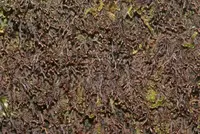
Attach the liverwort to rough bark, cork, or unglazed clay surfaces rather than smooth plastic or glass, as the fine rhizoids grip better and form a denser, more stable mat.

Provide clean air

Keep the plant away from heaters, cooking fumes, and cigarette smoke, and if grown indoors, open windows periodically or use a small fan on a very low setting to ensure a gentle, clean airflow over the colony.

Misting technique control

Mist with a very fine spray from a distance so droplets land as a fog rather than large beads, which helps hydrate the thalli without washing them off the substrate or causing mechanical damage.

Rainwater storage plan

Collect and store rainwater in a clean, opaque container and use it within 1–2 weeks, since soft, low-mineral water helps maintain stable growth and avoids salt build-up on the delicate tissues when caring for Tamarisk Scalewort.

Shaded acclimation phase

When moving a colony to a slightly brighter site, shift it over 7–10 days by gradually increasing light exposure while monitoring color and turgor, which reduces shock and prevents sudden desiccation of the outer fronds.

Common Pests and Diseases

Desiccation damage

Symptoms include browning, curling, and fragmentation of the tiny leaf lobes, often on exposed or sun-facing sides of the colony. This damage results from excessive drying by sun, heat, or strong air movement rather than from a living pest.

Solution

Reduce direct sun and harsh drying winds, and maintain more even moisture by providing light, regular misting or a nearby humidity source without soaking the plant. In cultivation, place colonies on rough bark or stone in a shaded, humid position and avoid complete drying between gentle waterings; damaged patches will not recover but healthy tissue will gradually recolonize suitable surfaces.

Air pollution injury

Symptoms include overall browning, loss of the red-brown coloration, thinning mats, and poor new growth in areas with high urban or industrial air pollution, especially sulfur or nitrogen oxides. This damage reflects the high sensitivity of this liverwort to airborne contaminants.

Solution

If possible, grow colonies in areas with cleaner air, away from major roads and industrial emissions, or move cultivated material to better-ventilated, low-pollution spots such as sheltered gardens or greenhouses. Maintain moderate, stable humidity and avoid additional stressors like strong sun or irregular watering, as healthier colonies tolerate environmental pressures slightly better.

Gastropod grazing

This pest causes irregular nibbled edges, missing patches of thallus, and slime trails across the mats, especially in damp, shaded outdoor settings. These animals feed on soft tissues and can thin or fragment colonies over time.

Solution

Hand-pick slugs and snails during damp evenings, and reduce their hiding places such as dense debris around host bark or stones. Physical barriers like copper tape on containers, and keeping the immediate area slightly less cluttered while still humid, help limit damage without drying the liverwort.

Fungal overgrowth

This disease appears as a dense, sometimes fuzzy surface growth or crust, often white, gray, or dark, that smothers the tiny leaves and reduces photosynthesis. Symptoms include dull color, loss of definition in leaf lobes, and gradual dieback under persistently wet, stagnant conditions.

Solution

Improve air movement around the colonies and allow the surface to dry lightly between waterings while keeping the overall environment humid rather than wet. If possible, gently remove heavy fungal films with soft brushes or a fine stream of water, avoiding harsh chemicals; reposition the plant to a brighter, well-ventilated but not sunny location to discourage recurrent growth.

Algal or cyanobacterial film

Symptoms include a smooth, slimy green, blue-green, or dark sheen covering the surface, making the liverwort appear coated and less textured. This film competes for light and can suffocate the plant under constantly wet, nutrient-enriched conditions such as runoff from fertilized areas.

Solution

Reduce nutrient-rich runoff and avoid fertilizer contact, then slightly lower surface moisture by watering less frequently but maintaining high ambient humidity. Rinse the surface gently with clean water to remove some of the film and move the colony to a clean, shaded, and well-drained substrate where water does not stand or trickle continuously over the mats, which supports more stable Frullania tamarisci plant care.

Interesting Facts

Dual-chamber leaf lobes

Each leafy shoot bears bilobed leaves with an upper lobe and a small helmet-like lower lobe that forms water-filled sacs, creating tiny aquatic microhabitats for microorganisms on bark and rock surfaces.

Preference for oceanic climates

This species is strongly associated with mild, humid, oceanic climates in western Europe, where it often indicates long-term, clean air conditions on mature trees and shaded rock faces.

Variable pigmentation patterns

The plant often shows a mix of reddish-brown, purple, and green tones, with pigmentation influenced by light exposure and moisture, which likely provides protection against excess light and desiccation.

Botan icon

Did you know?

Frullania tamarisci is one of the liverworts most frequently recorded on historic parchment and leather objects in European archives and churches, where its long-term survival on treated animal skin has made it relevant to biodeterioration and conservation studies.

FAQs about Tamarisk Scalewort

This species is primarily an outdoor epiphyte or rock-dwelling liverwort, preferring cool, humid, shaded sites. It can be kept in very controlled terraria, but Tamarisk Scalewort indoor care is generally challenging and unstable long term.

Grow Healthy Plants with Botan Care

Keep your plants happy and healthy with plant identification, disease detection, and easy care guidance.

Botan plant care app — identify plants on mobile

Explore More Plants