Neat Feather-moss Care (Pseudoscleropodium purum)

Also known as: pseudoscleropodium moss
Neat Feather-moss

About Neat Feather-moss

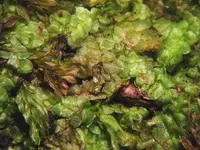
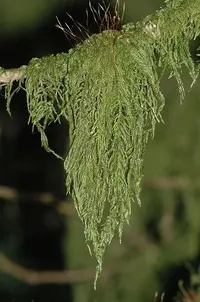
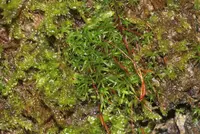
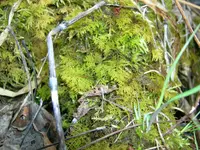
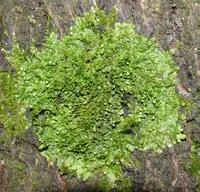
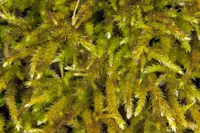
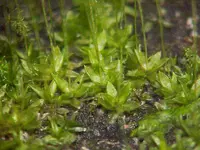
Neat feather-moss (Pseudoscleropodium purum) is a low-growing, evergreen moss that forms dense, feathery carpets of bright to yellow-green foliage. Its creeping stems and finely divided side branches create a soft, textured ground layer.

This moss is widespread in western and central Europe and has naturalized in some parts of North America, often in woodlands, lawns, banks, and along paths. It prefers consistently moist, shaded to semi-shaded sites and establishes best on acidic, humus-rich substrates.

Once settled, it can spread quickly, which makes it useful for naturalistic ground cover and moss gardens. Gardeners who want to care for Neat Feather-moss should focus on stable moisture, gentle light, and undisturbed conditions.

Main Plant Requirements

Care Difficulty

Moderate Care

Light Preference

Partial Shade

Water Requirements

Keep Soil Moist

Temperature Preference

Cold Hardy

Hardiness Zone

5–9

Soil Texture

Loamy, Silty, Organic-rich

Soil pH

Strongly acidic (4.5–5.5), Acidic (5.5–6.5)

Soil Drainage

Moist but well-drained

Fertilization

Minimal (feed rarely)

Get Personalized Care Plan

Scan your plant to receive care tips personalized for your specific plant

Available on iOS and Android

How to Care for the Neat Feather-moss

This moss prefers cool, consistently moist sites with soft, filtered light.

  • Provide bright, indirect light or dappled shade under shrubs or trees, with 1–3 hours of gentle morning sun and no harsh afternoon sun.
  • Site Neat Feather-moss where it receives outdoor partial shade most of the day; deep shade slows growth, while more than 3–4 hours of direct sun can cause bleaching and crisp tips.
  • In summer, protect from reflective heat and full midday sun; in winter, increased low-angle light is usually safe if the substrate stays moist.

This moss needs constantly moist but not stagnant conditions to stay dense and green.

  • Aim for evenly damp soil or substrate; the surface should feel cool and moist but not squishy, with no standing water after rain or irrigation.
  • Increase watering or misting when the top 0.5–1 cm feels just barely moist and fronds begin to lose gloss; this indicates early drying rather than deep desiccation.
  • Reduce supplemental water in cool, wet seasons; signs of overwatering include slimy patches and sour odor, while underwatering leads to crisp, brown tips that rehydrate slowly.

Stable, mild temperatures support healthy growth and recovery in this moss.

  • Optimal growth occurs around 50–70°F (10–21°C), with lush carpets forming in cool, humid conditions typical of coastal and temperate woodland climates.
  • The plant tolerates brief drops to about 20°F (-6°C) once established, but repeated freeze–thaw cycles without snow cover can damage exposed patches.
  • Heat above 80–85°F (27–29°C), especially with low humidity, stresses fronds; provide shade and extra moisture during hot spells to reduce desiccation and browning.

This moss prefers consistently moist air and reacts quickly to dry indoor conditions.

  • Aim for 60–90% humidity; it tolerates brief dips to 40–50% if the substrate stays evenly damp.
  • Crisping tips, dull color, and slow regrowth indicate humidity stress or prolonged drying of the cushion.
  • Increase humidity with a pebble tray under the dish, frequent fine misting, or a closed terrarium-style container for Neat Feather-moss.

This moss anchors to a surface rather than rooting, so the substrate must stay evenly moist yet never stagnant.

  • Use a loose, fine-textured mix of 60–70% peat or coco coir with 30–40% fine sand or perlite to support drainage.
  • Keep the substrate consistently damp, not waterlogged; excess water should drain away within a few minutes after watering.
  • A slightly acidic pH of 5.0–6.5 suits Pseudoscleropodium purum, similar to many forest and lawn moss habitats.
  • Avoid dense garden soil, heavy clay, or bark-only mixes that either hold standing water or dry to a hard, hydrophobic surface.

This species adapts well to shallow containers, trays, or terrariums when moisture control is precise.

  • Choose a wide, shallow container that allows the moss mat to spread horizontally without deep substrate layers that stay soggy.
  • If using a non-draining dish or terrarium, add a thin drainage layer of rinsed gravel beneath the substrate to reduce water stagnation.
  • Select plastic or glazed ceramic over unglazed clay to slow evaporation and keep the moss cushion evenly moist between waterings.

This moss grows well on low-nutrient substrates, so fertilizing Neat Feather-moss is usually unnecessary and should be minimal if done at all.

Pseudoscleropodium purum needs only light, corrective pruning to keep mats healthy and tidy.

  • Trim browned or dead fronds at any time using small scissors to maintain a clean appearance.
  • Remove damaged, compacted, or contaminated patches to reduce disease risk and improve airflow.
  • Lightly thin crowded areas to encourage even, dense new growth across the moss carpet.
  • Avoid cutting too deeply into healthy green tissue, which can create bare, slow-to-recover spots.

This moss is usually grown on rocks, soil surfaces, or logs, so care focuses on gentle transplanting rather than frequent repotting.

  • Transplant when mats detach, dry out quickly, or when coverage is needed in a new shaded area.
  • Best timing is in cool, moist seasons, typically early spring or fall, to reduce transplant stress.
  • Lift moss in broad, intact sheets with attached substrate, keeping rhizoids and underlying soil undisturbed.
  • Firm sheets onto the new surface, water gently, and keep evenly moist until new anchoring growth appears.

Propagation of this moss is straightforward and usually done by division of existing mats.

  • Best season is early spring or fall, when moisture is reliable and temperatures are mild.
  • Cut mats into small sections, each with healthy green fronds and some underlying substrate.
  • Lay sections firmly onto new, shaded, consistently moist surfaces such as soil, bark, or rock.
  • Mist frequently at first, keeping humidity high and avoiding direct sun until new growth spreads.

This moss is generally cold hardy and needs little specific winter care in most temperate climates.

  • Tolerates light to moderate frost when attached to stable, moist substrates in shaded locations.
  • In very exposed sites, surrounding ground leaf litter can moderate temperature swings and drying winds.
  • Ensure the substrate does not dry out completely during winter thaws, especially on vertical or rocky surfaces.

Care Tips

Substrate Layering

Create a layered base with a thin grit or sand layer under a moisture-retentive top layer to keep the mats moist while preventing the rhizoids from sitting in stagnant water.

Patchwork Establishment

Install small, closely spaced patches rather than one solid sheet, then gently press edges into the substrate so the moss can knit together and form an even carpet over several weeks.

Controlled Foot Traffic

Limit stepping to temporary stepping stones or edging during establishment, then occasionally redirect paths or rotate access points to prevent long-term compaction and bare spots.

Targeted Debris Management

Use a soft brush, turkey baster, or hand blower on low power to remove fallen leaves and needles without tearing the moss surface, which helps prevent rot and shading of new growth.

Seasonal Moisture Monitoring

In hot, dry periods, check beneath the top mat for hidden dryness and mist or irrigate lightly before the inner layer becomes brittle, which is a key part of caring for Neat Feather-moss in exposed sites.

Common Pests and Diseases

Slugs and snails

These pests feed on tender moss shoots and can strip patches down to the substrate, especially in damp, shaded outdoor sites.

Solution

Hand-pick at dusk or after rain, use beer traps or copper barriers around trays or beds, and reduce nearby hiding places such as boards and dense debris; for heavy pressure, apply iron phosphate slug bait according to label directions, keeping it off the actual moss carpet where possible.

Bryophyte leaf spot

This disease causes scattered pale, tan, or darkened spots on the moss fronds that may coalesce into irregular dead patches under prolonged humidity and poor air movement.

Solution

Remove and discard affected tufts, thin or lift dense mats to improve airflow, avoid overhead watering, and if grown in a controlled setup reduce humidity slightly and provide gentle air circulation so new growth can overtake damaged areas.

Algal overgrowth

This issue appears as a slick green film or crust on the moss surface and substrate, competing with the moss for light and moisture and leading to thinning patches.

Solution

Cut back watering frequency, increase light and airflow, gently brush or rinse off loose algae, and if in containers improve drainage and avoid standing water so the moss remains moist but not waterlogged, which supports more stable Pseudoscleropodium purum care.

Fungal damping and dieback

This disease affects very young or recently transplanted shoots, which turn brown or gray, collapse, and fail to re-root into the substrate under constantly saturated conditions.

Solution

Allow the surface to drain between waterings, avoid compressing the moss too tightly, remove and discard collapsing sections, and if necessary re-establish the moss on a fresh, free-draining substrate with only light, frequent misting until it anchors.

Interesting Facts

Feather-like leaf pattern

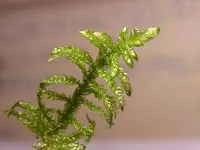
This moss forms flattened, feathery shoots with regularly arranged side branches, which gives lawns and forest floors a soft, carpet-like texture that is easy to distinguish from many other mosses with more upright growth.

Preference for mild climates

It occurs most often in lowland, oceanic or suboceanic climates with mild winters and relatively high rainfall, and is much less frequent in very dry or very cold continental regions.

Roadside and lawn colonizer

In parts of western Europe and some coastal areas of North America it commonly colonizes road verges, lawns, and park edges, often forming extensive, dense mats that can outcompete less vigorous moss species.

Botan icon

Did you know?

In several regions of Europe this species has been used as a small-scale bioindicator for airborne and deposited heavy metals, because its dense mats efficiently accumulate trace elements from rain and dust over time.

FAQs about Neat Feather-moss

This species spreads by creeping stems that root as they go, forming dense carpets over time. It is not fast like invasive weeds, but in suitable moist, mild conditions it can gradually dominate small, undisturbed areas.

Grow Healthy Plants with Botan Care

Keep your plants happy and healthy with plant identification, disease detection, and easy care guidance.

Botan plant care app — identify plants on mobile

Explore More Plants