Select Correct Substrate
Mount the fungus only on fresh, untreated hardwood logs or stumps (oak, beech, maple) with intact bark, since this species is a wood-decay specialist that will not establish on softwood, painted, or heavily weathered lumber.

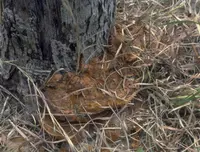
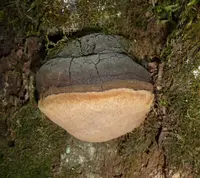
Mustard yellow polypore (Fuscoporia gilva) is a wood-decay fungus, not a typical houseplant, forming tough, bracket-like shelves on dead or stressed trees. Its fruiting bodies are mustard to orange-yellow with a hard, crusty surface and pores on the underside. This species occurs widely in temperate regions, including North America and Europe, where it plays an important role in breaking down dead wood. It is not commonly cultivated, and attempts to care for Mustard Yellow Polypore focus on providing stable woody material and shaded, humid conditions. Its natural preference for outdoor, decaying wood makes it more suited to woodland or log-based displays than standard container culture.

Care Difficulty
Moderate Care

Light Preference
Partial Shade

Water Requirements
Keep Soil Moist

Temperature Preference
Cool Climate

Hardiness Zone
Unknown

Soil Texture
Loamy, Organic-rich

Soil pH
Acidic (5.5–6.5), Slightly acidic (6.5–7.0)

Soil Drainage
Moist but well-drained

Fertilization
Minimal (feed rarely)
Scan your plant to receive care tips personalized for your specific plant
Available on iOS and Android
This wood-decaying bracket fungus thrives on shaded trunks rather than in direct open sun.
This fungus relies on consistently moist, not waterlogged, wood rather than direct surface watering.
This species is adapted to temperate climates on dead or dying wood.
Humidity is not a significant factor for Fuscoporia gilva, which naturally grows on outdoor wood in varied ambient air conditions.
Fuscoporia gilva is a wood-decaying fungus that relies on the properties of its host wood rather than conventional soil.
This species is not suitable for typical container growing since it requires solid wood substrate rather than pot-based culture.
Fuscoporia gilva is a saprotrophic wood-decay fungus that normally does not require fertilization when growing on suitable host wood outdoors.
Pruning is not a standard practice for Fuscoporia gilva, as this bracket fungus naturally forms and resorbs fruiting bodies on dead or weakened wood.
Transplanting is rarely appropriate because this wood-inhabiting fungus establishes directly in host trunks or logs rather than in pots or garden soil.
Practical propagation of this perennial bracket fungus is usually limited to specialized fungal cultivation rather than routine garden practice.
This wood-decay fungus is naturally cold hardy in temperate climates and requires no specific winter care when established on outdoor host wood.

Plant Health Check
Not sure what's wrong with your plant? Check your plant's health inside the app.
The fruiting bodies produce a persistent mustard-yellow pigment that often stains the surrounding bark and wood, making the host surface remain yellow long after the fungus has stopped actively growing.
This species frequently appears on stressed or dead hardwoods in parks, gardens, and street plantings, taking advantage of pruning wounds and trunk injuries in urban trees.
Its pore surface is initially bright yellow with small, round pores that darken and become more brownish with age, which helps distinguish it from many other crust-like polypores on the same hosts.

This species is a typical agent of white rot, meaning it can break down both lignin and cellulose in wood, an ability that plays a major role in nutrient recycling in temperate forests and managed landscapes.
This bracket fungus does best outdoors on dead or stressed hardwoods. It is not suited to pots or typical home interiors. For anyone exploring Mustard Yellow Polypore indoor care, conditions would be highly experimental and difficult to maintain long term.
Keep your plants happy and healthy with plant identification, disease detection, and easy care guidance.