Fuscoporia viticola Care

Fuscoporia viticola

About Fuscoporia viticola

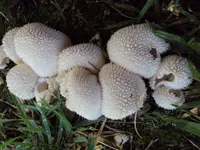
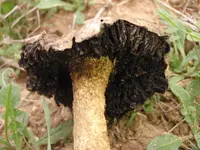
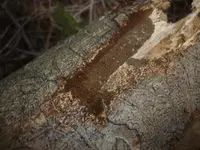
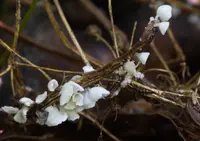
Fuscoporia viticola is not a typical leafy plant but a wood-decay fungus that forms tough, bracket-like structures on the trunks and branches of grapevines and other woody hosts. Its fruiting bodies are usually flat, hard, and brown to dark brown, often blending into the bark surface. This species occurs mainly in vineyards and woody habitats, especially in warm and temperate regions where grape cultivation is common. It behaves as a pathogen, gradually degrading the wood and weakening the host plant, which makes it undesirable in crop settings and unsuitable as an ornamental. Because it depends on infected wood rather than pot culture, there is no practical way to care for Fuscoporia viticola in a home or garden context.

Main Plant Requirements

Care Difficulty

Moderate Care

Light Preference

Partial Shade

Water Requirements

Moderate Water

Temperature Preference

Warm Climate

Hardiness Zone

Unknown

Soil Texture

Loamy, Organic-rich

Soil pH

Slightly acidic (6.5–7.0)

Soil Drainage

Moist but well-drained

Fertilization

Minimal (feed rarely)

Get Personalized Care Plan

Scan your plant to receive care tips personalized for your specific plant

Available on iOS and Android

How to Care for the Fuscoporia viticola

This wood-decaying fungus prefers stable, moderately shaded light conditions on its host vines or wood.

  • Provide dappled light or light shade, roughly 2–4 hours of gentle morning sun with filtered or indirect light for the rest of the day.
  • Avoid strong, direct midday or afternoon sun, which can desiccate host bark and fruiting bodies and slow Fuscoporia viticola development.
  • In hotter seasons, increase shade cover slightly, while in cooler seasons ensure the site receives some open sky exposure to maintain 4–6 hours of bright ambient light.

This species relies on ambient moisture rather than direct watering, as it lives on woody hosts rather than in soil like a typical plant.

  • Maintain a site with moderate air humidity and good air movement; avoid constant surface wetness that encourages competing molds and bacteria.
  • If associated wood is in managed plantings, allow the top 2–5 cm of soil around the host to dry slightly between irrigations to reduce prolonged bark saturation.
  • Watch for signs of excessive moisture such as black, slimy patches or strong fermentation odors on wood, and reduce irrigation or splashing on trunks if these appear.

This fungus thrives in mild to warm climates where host vines or woody plants grow actively.

  • Optimal activity is usually around 65–80°F (18–27°C), with steady, moderate temperatures supporting consistent fruiting and decay processes.
  • Short exposures down to about 40°F (4°C) are tolerated, but prolonged cold and repeated frosts can slow or pause visible growth on host material.
  • Sustained heat above 90°F (32°C), especially combined with very low humidity, can dry host surfaces excessively, so partial shading and occasional airflow help moderate extremes.

Humidity is not a meaningful care factor because this species is a wood-decaying fungus rather than a cultivated ornamental plant.

Soil preparation is generally irrelevant because this fungus naturally colonizes woody tissue rather than growing in garden soil.

  • This species typically develops on grapevine or other woody hosts, not in containers or open beds.
  • Standard potting mixes, compost blends, or pH adjustments do not influence its establishment on wood.
  • Altering mineral content, aeration, or drainage of surrounding soil will not prevent colonization once wood is infected.
  • Management focuses on removing or protecting susceptible woody material rather than modifying soil structure.

This species is not suitable for intentional container cultivation, as it is a wood-decaying pathogen rather than a container crop.

This wood-decaying fungus grows on host plants and does not benefit from direct fertilization, so focus on overall tree and site health instead.

Pruning targets the infected host wood rather than Fuscoporia viticola itself, aiming to limit spread and structural damage.

  • Carry out sanitation pruning in late winter or during dry weather to reduce disease spread risk.
  • Remove and dispose of dead, decayed, or structurally compromised branches back to sound wood.
  • Use clean, sharp pruning saws or loppers and disinfect tools between cuts on infected material.
  • Do not attempt to shape the fungus; focus on host tree safety and clearance around targets such as paths or buildings.

This fungus is not managed through repotting; any intervention focuses on host trees or vines and their planting conditions.

  • For container-grown host plants showing poor vigor or circling roots, transplant to a slightly larger pot in early spring.
  • Use fresh, well-drained, disease-free substrate to support root recovery and reduce additional stress on infected hosts.
  • Water thoroughly after transplanting and keep moisture even, avoiding waterlogging that can worsen wood decay issues.
  • In landscape situations, avoid replanting highly susceptible hosts into sites with known decay history in old stumps or roots.

Intentional propagation of this wood-decay fungus is not recommended in horticulture due to its role as a plant pathogen.

This fungus is generally cold hardy and does not require specific winter protection measures.

  • Focus winter care on the host plant by avoiding additional stress such as heavy pruning during severe frost.
  • Inspect trunks and major limbs in winter for advanced decay that may compromise structural safety.
  • For container-grown hosts, move pots to a sheltered position to limit freeze–thaw stress on weakened root and trunk tissues.

Care Tips

Monitor host health

Inspect grapevines or other host wood regularly and remove or treat stressed, wounded, or declining sections early, because weak tissue allows this fungus to establish more aggressively.

Sanitize cutting tools

Disinfect pruning saws and shears with 70% isopropyl alcohol or a 10% bleach solution between vines and blocks to reduce the risk of transferring fruiting bodies or infected wood fragments.

Manage pruning wounds

Schedule major pruning for dry weather, make clean angled cuts that shed water, and apply an appropriate wound sealant where Fuscoporia viticola is already present in the vineyard.

Remove decayed wood

Cut out and destroy wood showing white rot, internal sponginess, or clear fungal brackets, burning or disposing of it off-site so infected tissue does not continue to release spores.

Improve vineyard airflow

Maintain open training systems, control excess canopy density, and keep under-vine strips relatively clean to lower humidity around trunks and cordons, which supports more effective management when caring for Fuscoporia viticola.

Common Pests and Diseases

White rot canker

This disease forms white, corky, perennial conks on grapevine or other woody hosts and progressively destroys internal wood, leading to structural weakness and dieback. Symptoms include light-colored, brittle decay in the trunk or cordons and reduced vigor over several seasons.

Solution

Remove and destroy infected wood well below visible decay, making clean pruning cuts back to sound tissue, and sanitize tools with 70% alcohol or 10% bleach between cuts. In vineyards or collections, limit trunk wounds, protect large pruning cuts with an appropriate wound seal where recommended by local extension services, and maintain overall vine health to slow the advance of Fuscoporia viticola care issues in host plants.

Wood-decay complexes

This disease occurs when Fuscoporia viticola coexists with other trunk pathogens, creating mixed internal rots that accelerate decline and breakage. Symptoms include hollow sections in older wood, sudden limb failure, and a patchy pattern of dead and living tissue in cross-sections.

Solution

Cut out and remove heavily compromised arms or trunks and retrain replacement shoots from healthy basal wood when possible, disposing of all infected material off-site. Reduce stress by managing irrigation and nutrition carefully, avoid mechanical injuries to trunks, and schedule pruning during dry weather to limit new infections and secondary decay fungi.

Opportunistic saproxylic insects

These insects are wood-boring beetles and larvae that are attracted to weakened or decayed wood colonized by the fungus, further damaging the structural integrity of the host. This pest typically follows fungal decay, creating galleries that increase the speed of limb dieback and breakage.

Solution

Prune out and destroy infested and badly decayed branches before major beetle flight periods in the local region, and promptly remove storm-damaged or dead wood that can act as a breeding site. Maintain host plants in good vigor so that fresh, sound wood is less attractive to borers, and in larger plantings consider pheromone or light traps as part of integrated monitoring rather than relying on broad-spectrum insecticides.

Interesting Facts

Specialized grape pathogen

This wood-decay fungus specifically colonizes grapevine trunks and arms, causing a white rot that contributes to grapevine trunk diseases in vineyards.

White rot strategy

It breaks down both lignin and cellulose in grapevine wood, a decay pattern known as white rot, which gradually weakens the structural integrity of the vine.

Persistent fruiting bodies

Its hard, crust-like fruiting bodies can remain on infected grapevine wood for several seasons, releasing spores that help it spread within and between vineyards.

FAQs about Fuscoporia viticola

This wood-decaying fungus is not typically eaten by pets due to its tough, corky texture. Toxicity data are limited, so prevent chewing or ingestion and consult a veterinarian if a pet consumes any part.

Grow Healthy Plants with Botan Care

Keep your plants happy and healthy with plant identification, disease detection, and easy care guidance.

Botan plant care app — identify plants on mobile

Explore More Plants