Pestle Puffball Care (Lycoperdon excipuliforme)

Pestle Puffball

About Pestle Puffball

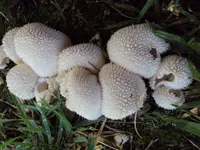
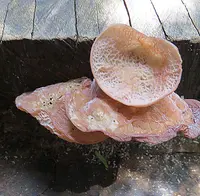
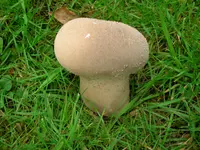
Pestle puffball (Lycoperdon excipuliforme) is a terrestrial fungus, not a leafy houseplant. It forms a tall, club-shaped fruiting body with a wider upper section that releases spores when mature. The outer surface is often pale to tan and rough when young, becoming smoother and browner with age.

This species typically occurs on soil rich in decaying wood, often in mixed or deciduous forests in temperate regions. It is not commonly cultivated indoors, since it depends on complex soil fungi networks and natural decomposition, so attempts to care for Pestle Puffball at home are usually unreliable.

In nature it prefers humid, shaded habitats with stable moisture and organic matter, rather than direct sun or dry, compacted ground.

Main Plant Requirements

Care Difficulty

Moderate Care

Light Preference

Partial Shade

Water Requirements

Regular Water

Temperature Preference

Cool Climate

Hardiness Zone

4–9

Soil Texture

Loamy, Silty, Organic-rich

Soil pH

Acidic (5.5–6.5), Slightly acidic (6.5–7.0)

Soil Drainage

Moist but well-drained

Fertilization

Minimal (feed rarely)

Get Personalized Care Plan

Scan your plant to receive care tips personalized for your specific plant

Available on iOS and Android

How to Care for the Pestle Puffball

This woodland puffball prefers cool, indirect forest light rather than strong, direct sun.

  • Site Pestle Puffball in dappled shade or bright, filtered light, similar to the light beneath a deciduous tree canopy, with no more than 1–2 hours of weak morning sun.
  • Avoid harsh midday and afternoon sun, which can dry the fruiting bodies and surrounding substrate, reducing spore production and shortening their lifespan.
  • In summer, choose north- or east-facing woodland edges; in fall, when the sun is lower, slightly more open, partially shaded spots still protect it from glare and heat.

This fungus relies on consistently moist but not waterlogged soil, mimicking natural forest-floor conditions.

  • Ensure humus-rich, well-drained soil that stays evenly moist; water or irrigate only when the top 2–3 cm start to dry, avoiding standing puddles around the growth area.
  • Signs of excess moisture include sour, swampy odor and slimy organic matter, while very dry, crumbly leaf litter and shrinking fruiting bodies indicate insufficient moisture.
  • During hot, dry periods, increase moisture with gentle soaking or drip irrigation; in cool, rainy seasons, reduce or stop supplemental water to prevent prolonged saturation around Lycoperdon excipuliforme.

This species is adapted to temperate climates and fruits best in cool to mild conditions.

  • Optimal fruiting typically occurs around 50–68°F (10–20°C), common in early fall, when days are mild and nights are cool but not freezing.
  • The mycelium in soil tolerates a broad range, roughly 32–77°F (0–25°C), but sudden hard frosts below 28°F (-2°C) can damage or halt development of exposed fruiting bodies.
  • Prolonged heat above 77–82°F (25–28°C), especially with dry air, shortens puffball lifespan, so shade, mulch, and stable woodland conditions help buffer temperature swings.

Humidity is not a key factor for this outdoor saprophytic fungus, which copes well in typical ambient conditions.

Lycoperdon excipuliforme prefers a loose, well-drained, organic substrate that mimics decaying woodland litter.

  • Use a crumbly, humus-rich mix made from leaf mold or compost blended with coarse sand or fine gravel for structure.
  • Ensure rapid drainage; water must not pool around the base, as prolonged saturation encourages mold and bacterial rot.
  • Aim for slightly acidic to neutral conditions, around pH 5.5–7.0, similar to many forest and grassy soils.
  • Avoid compacted, heavy clay or pure peat, which restrict gas exchange and slow decomposition needed for nutrient release.

This puffball species is generally unsuitable for long-term container growing, as it relies on complex soil and wood decay ecosystems that are hard to reproduce in pots.

Lycoperdon excipuliforme typically grows on low-nutrient woodland or pasture substrates and does not need supplemental fertilizer in cultivation.

Lycoperdon excipuliforme does not require conventional pruning because each fruiting body is short-lived and does not regrow once mature.

In cultivation, this fungus is best managed by adjusting its substrate rather than by frequent repotting or transplanting.

  • Transplant only if the current substrate is decomposed, compacted, or contaminated, which can reduce fruiting.
  • Plan moves in cool, moist weather to reduce stress on the underlying mycelium, the living fungal network.
  • Shift intact substrate blocks into a new container or ground site without breaking them apart.
  • Water lightly after transplanting and maintain evenly moist, not waterlogged, conditions while the mycelium re-establishes.

Propagation of Lycoperdon excipuliforme is usually left to natural spore dispersal rather than managed like a typical plant.

This woodland puffball is naturally cold hardy and usually needs no special winter care in outdoor settings in temperate climates.

Care Tips

Use hardwood debris

When establishing a patch, lightly mix well-rotted hardwood chips or small, decayed sticks into the upper soil layer to mimic the fungus’s natural woodland substrate and encourage more reliable fruiting.

Retain leaf litter

Leave a thin layer of fallen leaves around the site instead of bare raking, as this helps maintain the cool, shaded, microhabitat and provides organic matter that supports the mycelium network.

Minimize soil disturbance

Mark the fruiting zone and avoid digging, tilling, or heavy foot traffic there, since disturbing the mycelium in the top 5–10 cm of soil can sharply reduce future puffball production.

Harvest gently

Cut mature puffballs at the base with a clean knife rather than pulling them up, which helps keep the underground mycelium intact and supports long-term stability when growing Pestle Puffball.

Encourage spore spread

Allow some older, brown puffballs to release spores naturally in place or tap them gently over nearby suitable habitat to promote gradual expansion of the colony.

Common Pests and Diseases

Fungal mycoparasites

This disease involves other fungi colonizing the puffball fruiting body and feeding on its tissues, often causing discoloration, deformation, or premature collapse. Symptoms include patchy mold-like growth on the outer surface or within the spore mass.

Solution

Remove and discard any affected fruiting bodies as soon as changes in color, texture, or shape appear, and avoid disturbing them to limit spore spread. Maintain good spacing between specimens, reduce excessive moisture on the ground surface, and avoid overhead watering in cultivated settings to lower humidity around the mushrooms.

Mold contamination

This disease appears as grey, green, or black mold patches on the outer rind or inside the puffball, often after prolonged wet or poorly ventilated conditions. Symptoms include softening, off-odors, and rapid decay of the fruiting body.

Solution

Harvest only young, firm specimens and remove any that show mold growth, disposing of them away from the growing area. Improve air circulation at ground level, reduce dense leaf litter that traps moisture, and water in the morning so surfaces dry by evening to support healthier growth when trying to grow Lycoperdon excipuliforme.

Slug and snail feeding

These pests rasp away at the outer layer of the puffball, leaving irregular pits, gouges, or missing sections, particularly during wet periods. This pest activity can open the fruiting body to secondary fungal infections and faster decay.

Solution

Hand-pick slugs and snails in the evening or early morning and relocate or destroy them, and reduce hiding places such as dense debris or boards near the patch. Where damage is persistent, use barriers like copper tape, coarse grit, or iron phosphate slug baits placed around, not on, the fruiting area.

Soil-dwelling larvae

These insects, such as certain beetle or fly larvae, tunnel into the base of the puffball and surrounding substrate, causing internal cavities, weakened structure, and early collapse of the fruiting body. Symptoms include small entry holes and a spongy or hollow feel near the base.

Solution

Remove and discard any affected fruiting bodies and gently disturb the top layer of soil or leaf litter to expose larvae to predators and drying. In managed sites, encourage natural predators like ground beetles and birds by maintaining diverse ground cover and avoid excessive organic waste piles right next to the puffball patch.

Interesting Facts

Distinct pestle-like shape

Mature fruiting bodies develop a narrow, stem-like base and an enlarged upper spore sac, giving a characteristic pestle or club shape that is more elongated than most other puffballs.

Late-stage spiny base

As the upper spore sac decays and releases spores, the tough sterile base often persists as a woody, spiny column that can remain visible on woodland floors long after the rest of the fungus has broken down.

Rotting-wood specialist

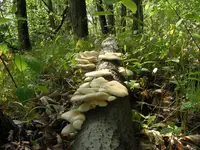
This species frequently fruits on well-rotted stumps, buried wood, or very decayed roots, playing a role as a saprotroph that recycles advanced-stage woody debris in forests and parklands.

Botan icon

Did you know?

Microscopic examination of its spores shows a finely ornamented surface and a distinctive spore-print color that, together with its persistent sterile base, makes it a key reference species in field mycology guides for puffball identification.

FAQs about Pestle Puffball

Young, firm fruiting bodies with pure white flesh are considered edible and mild-tasting. Once the interior turns yellow, olive, or brown, it should not be eaten. Always confirm identification carefully, as some toxic puffballs and amanitas look similar.

Grow Healthy Plants with Botan Care

Keep your plants happy and healthy with plant identification, disease detection, and easy care guidance.

Botan plant care app — identify plants on mobile

Explore More Plants