Tufted Bracket Care (Fuscoporia torulosa)

Tufted Bracket

About Tufted Bracket

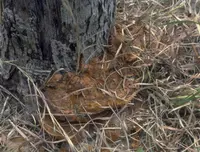
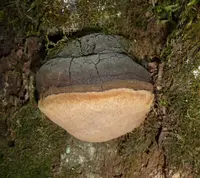
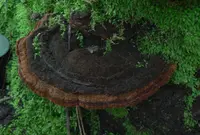
Tufted bracket, Fuscoporia torulosa, is a perennial bracket fungus rather than a leafy houseplant. It forms hard, layered, hoof-like shelves on trunks and branches. The upper surface is usually brown to dark brown with distinct concentric zones, while the underside shows fine, round pores instead of gills.

This species is a wood-decaying fungus that mainly colonizes broadleaf trees in temperate regions, especially oaks, in parks, woodlands, and older gardens. It is not suited to typical pot culture, and attempts to care for Tufted Bracket focus on providing suitable host wood and stable outdoor conditions.

In nature it prefers shaded, humid sites and well-aged, dead or weakened wood, which makes deliberate cultivation slow and technically demanding.

Main Plant Requirements

Care Difficulty

Moderate Care

Light Preference

Partial Shade

Water Requirements

Keep Soil Moist

Temperature Preference

Cool Climate

Hardiness Zone

Unknown

Soil Texture

Loamy, Organic-rich

Soil pH

Slightly acidic (6.5–7.0)

Soil Drainage

Moist but well-drained

Fertilization

Minimal (feed rarely)

Get Personalized Care Plan

Scan your plant to receive care tips personalized for your specific plant

Available on iOS and Android

How to Care for the Tufted Bracket

This wood-decay fungus grows best on shaded trunks where light levels stay low to moderate throughout the day.

  • Provide dappled or filtered light, such as beneath a tree canopy receiving 1–3 hours of soft morning sun and shade the rest of the day.
  • Avoid intense midday or afternoon sun, which can dry the host wood surface and slow the development of Tufted Bracket.
  • In summer, favor north or east-facing exposure; in winter, more open but still indirect light is acceptable as trees lose foliage.

This fungus relies on natural moisture in its host wood rather than direct watering.

  • Support conditions where the host tree or fallen log retains moderate, consistent moisture instead of drying hard and cracking.
  • Ensure the site drains reasonably so water does not pool for more than 24 hours, which can encourage competing molds and anaerobic decay.
  • Look for cues such as shrinking, brittle fruiting bodies as a sign of chronic dryness, or soft, foul-smelling wood as an indicator of waterlogging around Fuscoporia torulosa.

This species is adapted to temperate climates and tolerates a broad temperature range outdoors.

  • Optimal activity usually occurs around 50–77°F (10–25°C), typical of many temperate forests during spring and fall.
  • It can survive winter chills down to about 23°F (−5°C) on established wood, though prolonged harder freezes may slow or pause visible growth.
  • In hot spells above 86°F (30°C), shaded, humid sites help prevent excessive drying of the colonized wood and preserve fruiting bodies.

Humidity is not a meaningful care factor for this wood-decaying bracket fungus, which naturally thrives on exposed, dry bark.

This wood-rotting fungus develops on dead or declining wood, not in conventional potting soil.

  • Fuscoporia torulosa colonizes the heartwood and inner bark of broadleaf trees, so no mineral or organic soil mix is required or helpful.
  • Moist, decaying wood with firm structure provides the aeration and drainage balance it needs, unlike waterlogged logs that stay submerged or constantly saturated.
  • Avoid treating the host wood with fungicides, preservatives, or paints, which inhibit colonization and fruiting body formation.
  • If encouraging growth on cut logs, keep them outdoors where rain can wet and dry the surface periodically, mimicking natural woodland conditions.

This species is not suitable for container growing, as it requires host wood rather than a potting environment.

This wood-decaying bracket fungus naturally gains nutrients from host trees and does not benefit from added fertilizers.

Pruning is not a management tool for Fuscoporia torulosa itself but may be used to manage infected host trees.

  • Inspect trees during late winter or early spring to identify brackets and assess structural safety.
  • Remove severely decayed or structurally compromised branches or trunks using clean, sharp saws or loppers.
  • Cut back to sound wood where possible, avoiding flush cuts that damage the branch collar.
  • Dispose of infected wood off-site to reduce inoculum levels around valuable trees.

This fungus is not managed through typical repotting; focus instead on transplanting or managing host trees in landscapes.

  • Consider transplanting young host trees during cool, moist seasons if decay is advanced or structural risk is high.
  • Move trees only when root systems are compact and not circling containers, which reduces transplant shock.
  • Water deeply before and after transplanting to limit root stress and support re-establishment.
  • Avoid wounding trunks and major roots during transplanting, since fresh injuries increase infection risk.

Intentional propagation of Fuscoporia torulosa is rarely recommended outside research or diagnostic contexts.

This fungus is cold hardy in temperate climates and does not need targeted winter care.

Care Tips

Host wood selection

Use dense, untreated hardwood logs or stumps from oak, beech, or similar species to support stable and long-lasting fruiting when growing Tufted Bracket outdoors.

Log positioning strategy

Place colonized wood in a shaded, wind-sheltered spot with good air movement around the log surface so the brackets develop evenly and are less prone to physical damage or desiccation.

Moisture buffering mulch

Apply a loose ring of wood chips or leaf litter around the base of the host log (without packing it tightly) to buffer moisture and reduce rapid drying after rain or irrigation.

Minimal disturbance policy

Avoid knocking, cutting, or frequently handling the brackets once formed, since physical damage to the fruiting bodies can reduce spore production and encourage secondary decay organisms.

Monitoring structural safety

Periodically inspect trees or large stumps colonized by this fungus and remove or reduce hazardous limbs or trunks through professional arborist work if the wood strength is compromised.

Common Pests and Diseases

White rot on oak hosts

This disease develops in the heartwood of living trees that host the fungus, leading to a brittle, pale, and stringy decay of inner wood while the outer bark may still appear relatively sound.

Solution

Management focuses on arboricultural practices: have a certified arborist assess structural safety, reduce mechanical stress (such as heavy pruning or topping), and remove heavily decayed limbs or entire trees when structural failure is likely. Avoid wounding susceptible trees, and maintain general tree vigor through appropriate watering and mulching to slow decay progression.

Secondary wood-boring insects

These insects are attracted to trees already colonized by the fungus, using decayed wood as an entry point and further weakening branches and stems.

Solution

Inspect host trees for fresh frass, exit holes, and loose bark, then have affected dead or severely compromised branches removed and properly disposed of. Improving tree vigor and promptly removing badly decayed wood reduces habitat for borers and limits further mechanical damage.

Competitive saprotrophic fungi

This issue occurs when other wood-decaying fungi colonize the same dead or dying wood, competing for resources and sometimes changing the pattern and speed of decay.

Solution

Where structural safety is a concern, periodically inspect deadwood and brackets, and remove unstable limbs or stumps that show extensive mixed fungal colonization. In managed landscapes, limiting retained deadwood near paths or structures and disposing of heavily colonized pieces can reduce unpredictable breakage risk and support more controlled Fuscoporia torulosa care instructions.

Interesting Facts

Oak specialist parasite

This bracket fungus is most frequently found on living and dead oaks, where it acts as a parasite and then a saprotroph, continuing to break down wood after the host is weakened or killed.

Brown rot wood decay

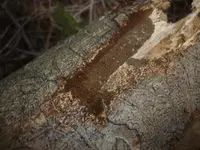
It causes brown rot, selectively digesting cellulose and hemicellulose while leaving modified lignin, which results in cubically cracked, brown, crumbly wood that changes the mechanical stability of affected trunks.

Hoof-like fruiting bodies

Mature basidiocarps are perennial, hard, and hoof-shaped with a distinctly zoned, often tufted upper surface, allowing the same fruiting structure to persist and add new pore layers over multiple years.

Botan icon

Did you know?

This species is considered an indicator of long continuity of woodland habitats in parts of Europe, since its stable populations are associated with old, unmanaged stands containing large, mature oaks and abundant deadwood.

FAQs about Tufted Bracket

This wood-decay fungus expands slowly, usually adding only a few millimeters of new bracket edge growth each year. Growth rate depends on host tree vigor, wood moisture, and temperature, and remains relatively steady once the fungus is established.

Grow Healthy Plants with Botan Care

Keep your plants happy and healthy with plant identification, disease detection, and easy care guidance.

Botan plant care app — identify plants on mobile

Explore More Plants