lanceleaf blanketflower Care (Gaillardia aestivalis)

Also known as: Perennial gaillardia
lanceleaf blanketflower

About lanceleaf blanketflower

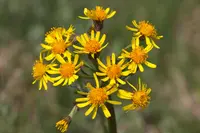
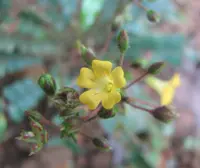
Lanceleaf blanketflower, Gaillardia aestivalis, is a low, clump-forming perennial wildflower in the aster family. It is often used in naturalistic and pollinator-friendly plantings. Plants carry narrow, lance-shaped leaves and airy stems topped with daisy-like flowers in yellow, red, or bicolored patterns, giving a light, open look. They typically grow in prairies, open woodlands, and sandy sites in the south-central United States. This species is adapted to heat, sun, and lean, fast-draining soils, which makes it relatively undemanding once established. Understanding how to care for lanceleaf blanketflower mainly involves providing strong light, good drainage, and avoiding consistently wet conditions.

Main Plant Requirements

Care Difficulty

Easy Care

Light Preference

Full Sun

Water Requirements

Low Water

Temperature Preference

Cold Hardy

Hardiness Zone

5–9

Soil Texture

Sandy, Loamy, Rocky

Soil pH

Acidic (5.5–6.5), Slightly acidic (6.5–7.0)

Soil Drainage

Well-drained

Fertilization

Minimal (feed rarely)

Get Personalized Care Plan

Scan your plant to receive care tips personalized for your specific plant

Available on iOS and Android

How to Care for the lanceleaf blanketflower

This sun-loving perennial thrives in open, bright positions for strong flowering and compact growth.

  • Provide full sun for 6–8 hours daily; lanceleaf blanketflower performs best with direct morning to early afternoon sun.
  • It tolerates light partial shade (3–4 hours sun), but expect fewer flowers and slightly leggier stems in lower light.
  • In very hot summers, protect from intense late-afternoon sun with light shade, and avoid dense shade, which leads to weak, floppy growth and reduced blooming.

This drought-tolerant perennial prefers deep, infrequent watering in well-drained soil.

  • Outdoors, water only when the top 3–5 cm of soil is dry, focusing on thorough soakings rather than light, frequent watering for Gaillardia aestivalis.
  • Use soils with excellent drainage, such as sandy or gritty mixes, and avoid areas where water pools for more than a few hours after rain.
  • In hot summer periods, watch for wilting or folded leaves as a cue to water, and avoid soggy soil, yellowing foliage, or root rot, which signal overwatering.

This species handles a wide temperature range but flowers best in moderate warmth.

  • Optimal growing temperatures are around 65–80°F (18–27°C), promoting steady growth and abundant blooms during the main season.
  • Mature plants tolerate heat up to about 95°F (35°C) if soil is well drained and there is no standing water around the roots.
  • Cold-hardy to about 0°F (−18°C) in many regions, but young plants benefit from mulch in winter, and repeated hard frosts can reduce top growth.

This species handles typical outdoor humidity easily and rarely needs special humidity care.

  • Ideal humidity is 30–60%, matching most dry to moderately humid outdoor climates in its native range.
  • Lanceleaf blanketflower tolerates very dry air, but extreme, hot, desiccating winds can crisp leaf edges and shorten bloom life.
  • In unusually hot, arid spells, reduce humidity stress by mulching lightly around the base and watering early in the day to limit transpiration strain.

Gaillardia aestivalis prefers lean, fast-draining soil that never stays waterlogged.

  • Use sandy or sandy-loam soil with coarse texture; aim for at least 40–60% mineral grit such as coarse sand or small gravel.
  • Maintain slightly acidic to neutral pH around 6.0–7.5, avoiding heavy lime additions unless a soil test shows strong acidity.
  • Improve drainage and aeration in heavier soils by mixing in coarse sand plus fine gravel or perlite, not peat-heavy amendments.
  • Avoid compacted clay, manure-rich, or constantly wet beds, which promote root rot and floppy, weak growth instead of sturdy flowering stems.

This species can grow in containers if the pot is prepared to mimic dry, fast-draining ground conditions.

  • Choose a wider, shallower pot rather than a very tall one to match its fibrous root system and reduce perched water at the bottom.
  • Use a mineral-heavy mix, such as 50% all-purpose potting mix with 50% coarse sand or grit, so water drains within minutes after irrigation.
  • Select unglazed terracotta or similarly porous material to let excess moisture evaporate, keeping the root zone drier and reducing rot risk.

This drought-tolerant perennial needs only light feeding, especially in poor soils, to maintain steady flowering.

  • Use a low-dose balanced NPK granular or slow-release fertilizer, or a thin layer of compost, in early spring for Gaillardia aestivalis care.
  • Feed once at the start of the growing season; in very lean soils, a second light application in mid-summer is enough.
  • Apply at 50% of label strength for container plants to avoid lush, floppy growth and salt buildup.
  • Skip fertilizing in fall and winter when growth slows or plants are dormant.

Thoughtful pruning supports compact growth and prolonged flowering in Gaillardia aestivalis.

  • Deadhead spent blooms through summer by cutting stems back to a strong leaf node to encourage more flowers.
  • Remove dead, diseased, or storm-damaged stems whenever noticed, using clean, sharp hand pruners.
  • In late fall or very early spring, cut back old, woody, or crowded stems to 5–10 cm to refresh the clump.
  • Thin congested centers during spring to improve air circulation and reduce fungal issues.

This species is more often transplanted in garden beds than repotted, as it prefers open, well-drained soil.

  • Transplant or divide clumps in early spring or early fall when temperatures are mild and rainfall is more reliable.
  • Move plants if growth stalls, flowering declines, or crowns become crowded and woody in the center.
  • Lift carefully with a fork, gently loosen roots, and replant at the same depth in free-draining soil to limit shock.
  • Water thoroughly after transplanting, then keep soil lightly moist for 1–2 weeks while roots re-establish.

New Gaillardia aestivalis plants are commonly raised from seed or by division of established clumps.

  • Sow seeds in late winter to early spring under bright light; maintain 65–75°F and lightly moist, not wet, seed mix.
  • Outdoors, direct-sow in spring after frost into well-drained soil; avoid heavy mulches over the seed row.
  • Divide mature clumps in early spring, ensuring each division has healthy roots and several growing points.
  • Replant divisions immediately, firm soil around roots, and water well until new growth resumes.

This perennial is generally cold hardy in much of its range and needs only modest winter attention.

  • Plants tolerate light to moderate frost once established, especially in well-drained soil.
  • In colder zones, apply a 5–8 cm layer of dry mulch around, not on top of, the crown to buffer freeze–thaw cycles.
  • For containers, move pots to a sheltered, unheated but frost-light area, keeping soil barely moist through winter.

Care Tips

Extend Bloom Season

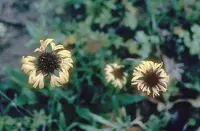
Deadhead spent flowers weekly by cutting the stem just above a strong leaf node to encourage continuous rebloom and reduce unwanted self-seeding into nearby beds or paths.

Heat And Drought Hardening

In late spring, gradually reduce irrigation frequency over 2–3 weeks so plants develop deeper roots and better tolerance to mid-summer heat and dry spells.

Support In Wind

In open, windy sites, place discreet low hoops or a single ring stake around young clumps before they reach full height to prevent stems from lodging or breaking during storms.

Long-Lived Plantings

Every 3–4 years, lift and divide crowded clumps in early spring, replanting only the most vigorous outer sections to maintain flower quantity and reduce disease buildup in aging centers.

Winter Drainage Management

In regions with wet winters, use slightly raised beds or shallow gravel-lined trenches on the downslope side of plantings to keep crowns from sitting in saturated soil, which greatly increases crown-rot risk when growing lanceleaf blanketflower.

Common Pests and Diseases

Powdery mildew

This disease causes a white, powdery film on leaves and stems, often in late summer during warm, dry days with humid nights. Symptoms include distorted new growth and a general decline in vigor.

Solution

Remove and discard the most affected leaves to reduce spore load, then improve air circulation by spacing plants and thinning crowded stems. Water at soil level, avoid overhead watering, and if needed apply a sulfur or potassium bicarbonate fungicide labeled for ornamentals at the first sign of powdery growth.

Aster yellows

This disease leads to yellowed, stunted plants with deformed flower heads that may turn greenish and fail to develop normal petals. Symptoms include witches'-broom type growth and distorted foliage.

Solution

Promptly remove and destroy symptomatic plants to prevent spread, as the pathogen persists inside the plant. Reduce populations of leafhoppers, which transmit the disease, by using floating row covers where practical and maintaining weed control around beds to remove alternate hosts.

Leafhoppers

These insects feed by piercing and sucking plant sap, causing pale speckling, leaf curling, or tip burn, and they can transmit aster yellows. This pest is especially active in warm, dry weather and can move in from surrounding grassy areas.

Solution

Limit nearby tall weeds and grasses that harbor leafhoppers and use fine mesh row covers over young plants where feasible. For established garden plantings, a strong water spray to dislodge insects combined with targeted use of insecticidal soap or pyrethrin products in the evening can help reduce populations.

Spittlebugs

These insects create white, frothy masses at stem nodes and on lower stems, where nymphs feed on sap and may cause mild wilting or reduced vigor in young plants. Symptoms include visible foam clusters that protect the insects from predators and drying.

Solution

Physically remove spittle masses by hand or wash them off with a strong stream of water directed at the foam. In dense plantings or repeated infestations, cutting back heavily infested stems and improving air movement around the plants will make the habitat less favorable and make it easier to monitor when growing lanceleaf blanketflower.

Interesting Facts

Southern US specialist

This species is native to the south-central United States, especially Texas, Oklahoma, Arkansas, and Louisiana, where it naturally occurs in prairies, open woods, and roadside habitats on well-drained, often sandy soils.

Late-summer bloomer

Compared with many other blanketflowers, it often peaks in flowering during late summer into early fall, providing nectar and pollen resources for bees and butterflies when many spring wildflowers are already past bloom.

Adapted to poor soils

The plant is well adapted to nutrient-poor, dry, open sites and can maintain flowering on soils where many competing species decline, which helps it persist in disturbed habitats such as rights-of-way and old fields.

FAQs about lanceleaf blanketflower

Lack of blooms often comes from too much shade, excess nitrogen fertilizer, or old, exhausted plants. Deadhead spent flowers, avoid high-nitrogen feeds, and ensure at least several hours of strong light to maintain regular flowering.

Grow Healthy Plants with Botan Care

Keep your plants happy and healthy with plant identification, disease detection, and easy care guidance.

Botan plant care app — identify plants on mobile

Explore More Plants