Bog Bell Care (Galerina paludosa)

Bog Bell

About Bog Bell

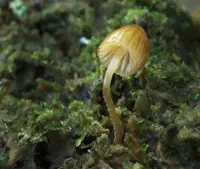
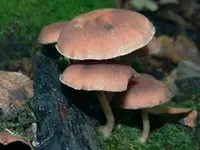
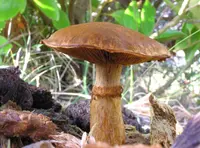
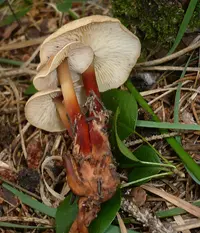
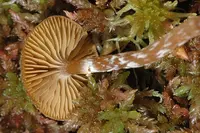
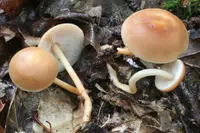
Bog bell, Galerina paludosa, is a tiny, delicate mushroom rather than a leafy houseplant. It forms slim stems with small, bell-shaped caps, usually in pale brown tones.

This species naturally occurs in cool, wet bogs and peatlands, often among sphagnum moss. It thrives in consistently damp, acidic, nutrient-poor substrates and relies on decaying organic matter, so it is not suited to typical pot culture.

Because it has specific moisture, temperature, and habitat needs, it is considered difficult to cultivate intentionally. Most plant owners do not attempt to care for Bog Bell and instead observe it in natural or specialized collections.

Main Plant Requirements

Care Difficulty

Hard Care

Light Preference

Partial Shade

Water Requirements

Aquatic

Temperature Preference

Cool Climate

Hardiness Zone

Unknown

Soil Texture

Peaty, Organic-rich

Soil pH

Strongly acidic (4.5–5.5)

Soil Drainage

Waterlogged tolerant

Fertilization

Minimal (feed rarely)

Get Personalized Care Plan

Scan your plant to receive care tips personalized for your specific plant

Available on iOS and Android

How to Care for the Bog Bell

Galerina paludosa is a small bog-dwelling fungus that thrives in cool, low-intensity light conditions.

  • Provide bright, indirect light or light dappled shade, with no more than 1–2 hours of weak morning sun and full protection from strong midday or afternoon sun.
  • Mimic bog or peatland edges: place where surrounding vegetation filters light, avoiding open, exposed sites that receive harsh, direct sun for 4+ hours.
  • In summer, prioritize shade and moisture retention; in cooler seasons, slightly more open light is acceptable as long as substrates do not dry out.

This species is adapted to constantly moist, boggy substrates rather than periodic surface drying.

  • Maintain saturated, spongy peat or sphagnum-like substrate, avoiding standing water deeper than a thin surface film that could exclude air from the upper layer.
  • If cultivated, do not allow the upper 1–2 cm to dry; instead watch for slight paling or crisping of moss as a sign that humidity and surface moisture are dropping too low.
  • Overly stagnant, foul-smelling water indicates poor aeration and anaerobic conditions; improve drainage flow or gently refresh water to keep the bog medium oxygenated.

This bog fungus prefers cool, moist climates and does poorly in sustained heat or hard frost.

  • Aim for 50–65°F (10–18°C) during active growth, conditions typical of cool, maritime or boreal bogs with constant moisture and light air movement.
  • Short dips to 40–45°F (4–7°C) are usually tolerated if the substrate stays wet, but repeated freezes below 32°F (0°C) can damage developing fruiting bodies.
  • Avoid prolonged exposure above 75°F (24°C); sustained heat over 80°F (27°C) combined with drying winds can desiccate the substrate and suppress fruiting.

This small bog mushroom requires constantly moist air in line with its wetland habitat and is not suited to typical home conditions.

  • Target very high humidity near 80–100% by maintaining saturated, cool bog substrate at all times.
  • It does not tolerate dry air; caps shrivel, edges crack, and growth quickly stalls when humidity drops.
  • Increase humidity by enclosing the growing tray in a ventilated clear cover or tent, avoiding still, stagnant air around Bog Bell.

This species is a specialist of nutrient-poor, acidic bog substrates rather than conventional garden soil.

  • Use a fine-textured, fibrous mix based on long-fiber sphagnum moss and peat to mimic natural bog structure.
  • Maintain very slow-draining yet waterlogged conditions by standing the substrate tray in shallow, clean water.
  • Keep pH strongly acidic around 3.5–5.0, avoiding lime, ash, or any alkaline amendments that buffer acidity.
  • Exclude compost, manure, or rich organic fertilizers, since Galerina paludosa develops in extremely low-nutrient, oligotrophic conditions.

This fungus is generally unsuitable for ornamental container growing and is rarely maintained in pots outside specialized research or mycology setups.

Galerina paludosa is a small, wild, moss-associated fungus that should not be fertilized in cultivation attempts.

Pruning is not applicable for Galerina paludosa, as it is a delicate, short-lived mushroom that completes its life cycle without structural maintenance.

Any attempt to move or transplant Galerina paludosa is generally unsuccessful because this fungus depends on very specific bog and moss conditions.

  • Transplanting from the wild disrupts its association with saturated, acidic, sphagnum-rich substrates and usually kills the organism.
  • Successful relocation would require recreating a consistently wet, acidic bog microhabitat rather than standard potting media.
  • Disturbance of wild colonies is discouraged to protect fragile wetland ecosystems and native fungal diversity.
  • For observation, rely on field study in natural bogs instead of container growing or relocation.

Propagation of Galerina paludosa is not recommended for home or horticultural settings due to ecological sensitivity and toxicity concerns.

Bog Bell is a wild fungus adapted to local climates and does not receive or require intentional winter care in gardens or containers.

Care Tips

Use live moss

Establish the fungus on a tray or pot topped with living sphagnum moss collected or purchased from clean, legal sources to better mimic its natural bog surface and stabilize moisture around the mycelium.

Create bog microclimate

Place the cultivation container inside a larger watertight tray with 2–4 cm of rainwater or distilled water to simulate a saturated bog margin while keeping the substrate itself just below free-standing water level.

Monitor pH carefully

Use pH test strips or a soil pH probe to keep the substrate mildly acidic (about pH 4.0–5.5), adjusting by adding small amounts of sphagnum peat if it drifts toward neutral.

Practice strict hygiene

Sterilize tools and containers with 70% isopropyl alcohol and avoid handling the substrate with bare hands to limit contamination from competing fungi, algae, and bacteria when grow Galerina paludosa under controlled conditions.

Label as toxic

Clearly label all containers and growing areas as containing a poisonous mushroom and keep them out of reach of children and pets to prevent accidental handling or ingestion.

Common Pests and Diseases

Fungal parasitism

This disease affects the delicate fruiting bodies in saturated, acidic bogs where competing fungi readily colonize tissues. Symptoms include rapid softening, collapse of caps, and visible mold or mycelium overgrowing the mushrooms.

Solution

Remove and discard heavily overgrown or collapsing mushrooms to limit further spread, and avoid handling healthy specimens after touching diseased ones. In managed culture, reduce overcrowding of substrates, maintain good air exchange, and keep surfaces clean to lower spore loads, which supports more stable Galerina paludosa care instructions in artificial setups.

Bacterial soft rot

This disease develops in waterlogged, nutrient-rich microspots where bacterial populations quickly break down mushroom tissue. Symptoms include a slimy texture, sour or foul odor, and rapid disintegration of caps and stems.

Solution

Discard affected mushrooms promptly and avoid disturbing surrounding substrate more than necessary. In any controlled growing environment, improve drainage patterns, limit stagnant standing water, and reduce physical damage to fruiting bodies to minimize infection sites.

Mushroom springtails

These insects are tiny, moisture-loving arthropods that feed on fungal tissue and spores in bog substrates. This pest can scar or pit young caps and gills and may cause partial deformation where populations are very dense.

Solution

In natural bogs, no treatment is needed, as springtails are part of a normal decomposer community. In contained culture, lower extreme surface moisture, improve ventilation, and, if necessary, physically remove heavily infested substrate patches to bring numbers down without chemicals.

Fungus gnat larvae

These insects lay eggs in constantly moist, organic substrates, and the larvae can tunnel through soft fungal tissue. Symptoms include hollowed stems, weakened attachment to the substrate, and premature collapse of small fruiting bodies.

Solution

Remove and destroy damaged mushrooms and reduce organic debris on the surface where possible. In controlled environments, use fine mesh barriers, sticky traps for adults, and slightly adjust surface moisture while maintaining general humidity to make the substrate less attractive for egg laying.

Interesting Facts

Tiny bog specialist

This species forms very small fruiting bodies, often only a few millimeters tall, and is tightly associated with wet, acidic bog habitats dominated by Sphagnum mosses.

Peatland decomposer role

It helps break down organic matter in nutrient-poor peat bogs, contributing to slow nutrient cycling in these carbon-rich ecosystems.

Distinctive microscopic features

Identification relies heavily on microscopic traits such as its smooth, ellipsoid spores and specific cystidia (specialized sterile cells), which separate it from other similar tiny brown mushrooms.

FAQs about Bog Bell

This small mushroom is considered poisonous and must not be eaten. It can be confused with other toxic Galerina species containing dangerous amatoxins, which damage the liver and can be fatal even in small amounts.

Grow Healthy Plants with Botan Care

Keep your plants happy and healthy with plant identification, disease detection, and easy care guidance.

Botan plant care app — identify plants on mobile

Explore More Plants